-
 Absolutes
-
 Active Complexes
-
 Actives & Peptides
-
 Amino Acids & Proteins
-
 Food Flavors
-
 Ayurvedic Ingredients & Herbs
-
 Vitamins & Coenzymes
-
 Chocolate Making Supplies
-
 Thickeners & Gelling Agents
-
 Hydrosols & Floral Waters
-
 Hydrolyzed Proteins
-
 Fragrance Ingredients
-
 Nutraceutical Ingredients
-
 Acids, Salts, Alcohols & Alkalis
-
 Preservatives & Antioxidants
-
 Cosmetic Ingredients
-
 Colorants, Micas & Glitters
-
 Masks, Scrubs & Botanicals
-
 Oils & Butters
-
 Candle Making Supplies
-
 Melt and Pour Soap Bases
-
 Cream, Lotion & Hair Care Bases
-
 Fragrance Oils & Industrial Aromatics
-
 Cleansing Agents & Surfactants
-
 Peeling Actives & Acids
-
 Cosmetic Powders
-
 Solvents & Humectants
-
 Silicones & Conditioning Agents
-
 Bottles, Jars & Vials
-
 Silicone & Plastic Molds, Tools
-
 Botanical Extracts
-
 Cosmetic Emollients
-
 Emulsifiers
-
 Essential Oils
- Absolutes 55
- Active Complexes 265
- Actives & Peptides 4840
- Amino Acids & Proteins 71
- Food Flavors 2097
- Ayurvedic Ingredients & Herbs 220
- Vitamins & Coenzymes 108
- Chocolate Making Supplies 109
- Thickeners & Gelling Agents 101
- Hydrosols & Floral Waters 139
- Hydrolyzed Proteins 87
- Fragrance Ingredients 44
- Nutraceutical Ingredients 797
- Acids, Salts, Alcohols & Alkalis 112
- Preservatives & Antioxidants 132
- Cosmetic Ingredients 8491
- Colorants, Micas & Glitters 1423
- Masks, Scrubs & Botanicals 1259
- Oils & Butters 1711
- Candle Making Supplies 542
- Melt and Pour Soap Bases 341
- Cream, Lotion & Hair Care Bases 89
- Fragrance Oils & Industrial Aromatics 6527
- Cleansing Agents & Surfactants 140
- Peeling Actives & Acids 57
- Cosmetic Powders 325
- Solvents & Humectants 37
- Silicones & Conditioning Agents 91
- Bottles, Jars & Vials 3927
- Silicone & Plastic Molds, Tools 6071
- Botanical Extracts 3614
- Cosmetic Emollients 108
- Emulsifiers 304
- Essential Oils 606


Cosmetic Emollients

 Add to cart









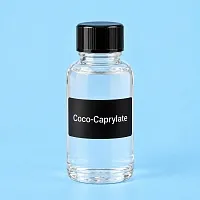
Cosmetic Emollients for Formulation and Skin Care
Cosmetic emollients are functional ingredients used to modify the feel, spreadability and sensory profile of creams, lotions, serums, balms, hair care products, color cosmetics and other personal care formulations. Depending on their chemistry and performance, emollients can help create anything from a lightweight fast spreading texture to a richer and more substantial oil phase.
The Cosmetic Emollients section includes esters, triglycerides, squalane and other lipophilic raw materials used by formulators to control slip, spreading and afterfeel. Different emollients vary in viscosity, polarity, compatibility and sensory behavior, so selecting the right material depends on the complete formulation rather than simply choosing an oil phase ingredient.
What are cosmetic emollients
The term emollient describes a function in a formulation rather than one specific chemical family. Esters, triglycerides, squalane, selected silicones and other lipophilic materials can provide emollient properties while having very different chemical structures and formulation behavior.
This distinction is important when developing cosmetic products. A lightweight ester cannot automatically replace a triglyceride or silicone simply because all three can perform an emollient function. Changing one material may alter spreading, slip, viscosity and the overall sensory character of the finished product.
Professional formulations therefore often use a blend of two or more compatible emollients to achieve a specific texture and afterfeel.
Lightweight ester emollients
Ester based emollients are widely used when a formulation requires good spreading and a less heavy oil phase. They can be incorporated into facial care, body care, hair products, color cosmetics and other systems where the sensory properties of the lipophilic phase are important.
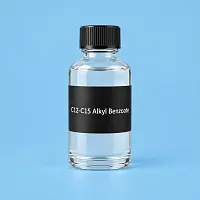
C12-C15 Alkyl Benzoate is used as an emollient and lipophilic carrier in a variety of cosmetic systems. It is particularly relevant when formulators need to control the character of the oil phase in skin care, color cosmetics and sun care products.
C12-C15 Alkyl Lactate represents another ester option. Although alkyl lactate and alkyl benzoate can be used in some of the same product categories, they are different raw materials and should not be treated as direct substitutes without testing the finished formulation.
Isopropyl Myristate can also be incorporated into emollient systems alongside oils and other lipophilic ingredients when a formulator needs to adjust spreading and the sensory profile of the oil phase.
Triglycerides for creams serums and anhydrous products
Caprylic and capric triglycerides are commonly used as components of the lipophilic phase in cosmetic formulations. They can be incorporated into emulsions as well as oil based and anhydrous systems.
Caprylic Capric Triglycerides can be used in creams, lotions, serums, body care, hair products and other cosmetic formulations. They may be combined with ester emollients, oils and other compatible ingredients to build a balanced oil phase.
The range also includes Capric Triglyceride. Similar commercial wording does not necessarily indicate identical composition or performance. INCI information and the technical characteristics of the specific raw material should therefore be considered when selecting between related ingredients.
Squalane in cosmetic formulations
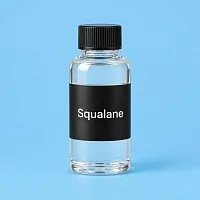
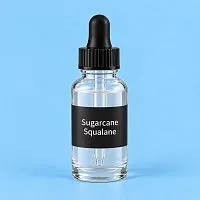
Squalane is another widely used cosmetic emollient for skin care, hair care and anhydrous formulations. It can form part of the lipophilic phase of facial serums, creams, body products, hair formulations and other personal care products.
Squalane may be combined with ester emollients, triglycerides and other compatible oil phase materials. This gives formulators greater flexibility when adjusting spreading, slip and the overall sensory profile of a finished product.
The ideal combination depends on the complete formulation rather than on the properties of one ingredient considered separately.
Emollients for richer creams balms and anhydrous formulas
Not every cosmetic product is designed around an extremely lightweight sensory profile. Balms, richer creams, sticks and some anhydrous products require a different balance of lipophilic ingredients.
Isostearyl Isostearate can be incorporated into emollient systems where its particular ester characteristics are suitable for the formulation.
Ethylhexyl Stearate provides another ester option for cosmetic oil phases, while Ethylhexyl Cocoate can be considered when building a multi component emollient blend.
Using several compatible emollients gives a formulator more control over spreading, slip and afterfeel than simply increasing the amount of a single oil phase ingredient.
Silicone and non silicone emollients
Silicone ingredients can perform important emollient and sensory functions, but they are chemically different from ester emollients, triglycerides and vegetable oils.
Formulators looking specifically for silicone raw materials can compare options in the Silicones section. Dimethicone grades with different viscosities, volatile silicones and modified silicone materials have different formulation properties and should not be treated as interchangeable with ester based emollients.
Silicone and non silicone emollients may also be combined when their characteristics and compatibility are suitable for the complete formulation.
How emollients work in emulsions
In creams and lotions, emollients usually form part of the lipophilic phase. An emollient is not the same as an emulsifier and should not be expected to perform the technological function of an emulsifier.
The composition of the oil phase can influence the behavior of the complete emulsion system. Changing an ester, triglyceride, oil or silicone may therefore require the finished formula to be evaluated again for viscosity, uniformity and physical stability.
This becomes particularly important when a formulation moves from laboratory development to pilot or larger scale production.
Cosmetic emollients for color cosmetics and sun care
Emollient selection is also important in color cosmetics containing pigments, fillers, waxes and other solid materials. In these systems, formulators consider spreading, wetting behavior, compatibility and the overall structure of the lipophilic phase.
Sun care formulations create another specific set of requirements. The appropriate emollient system depends on the complete formulation and the UV filters being used. An emollient that performs well in a conventional moisturizer cannot automatically be assumed to behave identically in every sunscreen system.
Testing the complete formulation is therefore more useful than selecting an ingredient only by a general description such as light or rich.
How to choose cosmetic emollients
Selection should begin with the type of product being developed and its intended sensory profile. A facial fluid, serum, rich cream, cleansing balm, hair product and color cosmetic may require very different combinations of emollients.
For lightweight formulations, the goal may be easy spreading and a less heavy afterfeel. Rich creams and balms may require a different balance of lipophilic materials. In color cosmetics, compatibility with pigments, fillers and waxes becomes an additional consideration.
Formulators can combine two or more compatible materials to modify spreading, slip and overall afterfeel. The percentage used depends on the specific ingredient, its INCI, the product type and the complete formulation. There is no single recommended use level that applies to every cosmetic emollient.
Storage of cosmetic emollients
Storage requirements should be checked for each individual raw material. Esters, triglycerides, squalane, silicones and other emollients have different chemical characteristics, so one universal storage condition should not be applied to every product in the category.
For production use, containers should be handled according to the requirements of the specific ingredient and protected from contamination during dispensing. When several emollients are combined, the stability of the finished system should also be evaluated rather than inferred from the stability of each raw material individually.
FAQ
What are emollients in cosmetics
Emollients are ingredients used to soften and condition while modifying the spreading and sensory properties of a cosmetic formulation. Esters, triglycerides, squalane, selected silicones and other lipophilic materials can perform an emollient function.
What is the difference between an emollient and an oil
Emollient describes a function in a cosmetic formulation rather than one chemical family. A vegetable oil can act as an emollient, but many cosmetic emollients are esters, triglycerides, silicones or other lipophilic materials rather than conventional plant oils.
What is the difference between an emollient and an emulsifier
An emollient primarily contributes to the lipophilic phase and sensory properties of a formulation. An emulsifier performs a different technological function by helping form and stabilize a system containing oil and water phases.
Which emollients are suitable for lightweight creams and serums
Light ester emollients and other readily spreading materials are commonly considered for lightweight cosmetic formulations. The final choice depends on the complete oil phase, emulsifier system and desired sensory profile.
Can several emollients be used in one formulation
Yes. Combining compatible emollients is a common formulation approach and allows greater control over spreading, slip and afterfeel than relying on a single ingredient.
Are silicones emollients
Certain silicone ingredients can provide emollient and sensory functions in cosmetics. However, silicones are chemically different from esters, triglycerides and vegetable oils and should not automatically be considered direct substitutes.
What are emollients used for in skin care
Cosmetic emollients are used in creams, lotions, serums, balms and other skin care formulations to modify the lipophilic phase, improve spreading and create the desired sensory profile.
Are emollients used in hair care products
Yes. Emollient ingredients can be incorporated into conditioners, masks, leave in products, hair oils and other hair care formulations when their properties are suitable for the complete system.
Can emollients be used in color cosmetics
Yes. Emollients are used in many color cosmetic formulations. Their selection depends on compatibility with pigments, fillers, waxes and other components as well as the required spreading and sensory characteristics.
How much emollient should be used in a cosmetic formula
There is no universal percentage for the entire category. The appropriate use level depends on the specific emollient, its INCI, the product type, oil phase composition and technical recommendations for that raw material.