-
 Absolutes
-
 Active Complexes
-
 Actives & Peptides
-
 Amino Acids & Proteins
-
 Food Flavors
-
 Ayurvedic Ingredients & Herbs
-
 Vitamins & Coenzymes
-
 Chocolate Making Supplies
-
 Thickeners & Gelling Agents
-
 Hydrosols & Floral Waters
-
 Hydrolyzed Proteins
-
 Fragrance Ingredients
-
 Nutraceutical Ingredients
-
 Acids, Salts, Alcohols & Alkalis
-
 Preservatives & Antioxidants
-
 Cosmetic Ingredients
-
 Colorants, Micas & Glitters
-
 Masks, Scrubs & Botanicals
-
 Oils & Butters
-
 Candle Making Supplies
-
 Melt and Pour Soap Bases
-
 Cream, Lotion & Hair Care Bases
-
 Fragrance Oils & Industrial Aromatics
-
 Cleansing Agents & Surfactants
-
 Peeling Actives & Acids
-
 Cosmetic Powders
-
 Solvents & Humectants
-
 Silicones & Conditioning Agents
-
 Bottles, Jars & Vials
-
 Silicone & Plastic Molds, Tools
-
 Botanical Extracts
-
 Cosmetic Emollients
-
 Emulsifiers
-
 Essential Oils
- Anti-Aging & Fine Lines 682
- Hair & Scalp Treatments 439
- Body Contouring & Slimming Actives 95
- Mineral Skincare 60
- Vegan Cosmetic Actives 207
- Hyaluronic Acid (HA) 57
- Skin Lightening & Depigmentation Actives 165
- Skin Barrier & Repair Actives 453
- Lifting Systems 131
- Myorelaxants 48
- Body Shaping Actives 84
- Peptides for Cosmetics 309
- Polynucleotides (PDRN) 97
- Anti Inflammatory And Anti Acne Actives 238
- Moisturizing Actives 524
- Skin Firmness and Tone Actives 330
- Actives For Eye Contour Care 160
- Actives for Sensitive Skin 255
- Exosomes 61
- Cosmetic Actives Wholesale 2962
- Peptides Wholesale 579
Soothing and Mattifying Actives
 Add to cart












Ingredients that calm redness and control breakouts
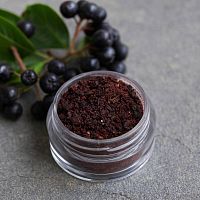
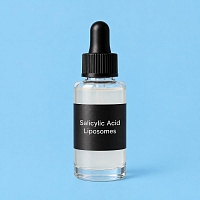
This section brings together functional actives selected for their ability to soothe irritated skin and interrupt the conditions that lead to breakouts. The lineup includes botanical extracts, salicylic and azelaic acid derivatives, zinc compounds, niacinamide and sebum-regulating complexes, each supplied as raw material for formulators building their own recipes. Buyers here range from independent cosmetic makers to production facilities scaling batch sizes, all sourcing the same grade of active for consistent results across finished lines.
These actives rarely work in isolation within a single product type. The same salicylic derivative that calms a facial serum can just as easily stabilize a body gel, a targeted spot corrector, or a rinse-off cleanser, so formulators typically test one active across several product formats before settling on final concentrations. Zinc and niacinamide complexes in particular show up across toners, lightweight emulsions and mattifying primers, since their oil-control and calming properties translate well regardless of the finished texture. For broader sourcing across the active ingredients range, many formulators also browse cosmetic actives wholesale or pair these with peptides for cosmetics when building layered anti-blemish routines that also target early signs of skin fatigue.
Distinct categories within this range
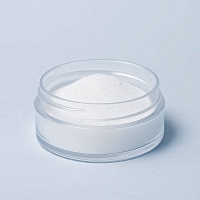
The raw materials grouped here fall into a few clear functional families rather than one uniform product type. Allantoin, available as Allantoin 20 g, Allantoin 40 g or Allantoin 50 g, works as a mild soothing agent that supports skin comfort in creams, gels and after-sun formulas. Natural camphor, sold as natural camphor powder 10 g or natural camphor powder 50 g, and camphor alcohol 40 ml deliver a cooling, refreshing sensation used in toners and body formulations.
A separate group targets oil control and texture regulation directly. Sepicontrol A5 5 ml and Seboreductyl 10 ml are concentrated complexes designed to reduce shine and refine pore appearance across many finished textures, from lightweight gels to richer emulsions. Structural and functional actives such as Beta-Cyclodextrin 20 g and Chondroitin Sulfate 10 g round out the range, adding stabilizing and conditioning properties that formulators layer alongside the calming and sebum-regulating ingredients above.
Choosing the right active and building a formula
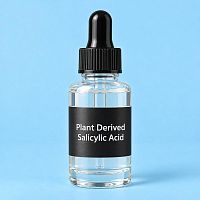
Selection usually starts with the finished texture and the concentration a recipe can tolerate. A gel-based product might call for a lighter dose of an active like botanical salicylic acid 5 ml, while a targeted cream allows for a stronger inclusion rate. Compatibility with the rest of the formula matters just as much as the active itself, since pH-sensitive ingredients and emulsifiers can shift how an extract or acid derivative performs once blended.
These raw materials are rarely used alone. Formulators often combine sebum-regulating actives with soothing agents to balance a single product, and many pair this selection with items from Peptides Wholesale when building multi-step routines that address both surface texture and deeper skin support. Testing at small batch sizes before scaling production helps confirm stability and sensory feel across a full product line.
Origin, stability and sourcing notes
Ingredients in this category come from established manufacturing regions including Germany, France, Japan, the United States, Spain, Italy, Switzerland and Korea, reflecting the variety of extraction and synthesis methods used across the range. Powdered actives and crystalline forms such as camphor generally tolerate storage well when kept sealed, dry and away from direct heat, while liquid concentrates and alcoholic solutions benefit from cooler, light-protected conditions to preserve potency between production runs.
Because these are functional raw materials rather than finished cosmetic products, shelf stability and recommended storage can vary noticeably between a powder, a liquid extract and a concentrated complex. Checking supplied product notes for each specific item remains the most reliable way to plan inventory rotation, especially for facilities running larger batch cycles throughout the year.
FAQ
What is the difference between salicylic acid and azelaic acid derivatives in a formulation?
Salicylic derivatives are oil-soluble and work best for penetrating pores and controlling excess sebum, while azelaic acid derivatives focus on calming visible redness and evening out skin tone. Many formulators combine both actives at low concentrations to address oil control and irritation in the same product.
Can zinc compounds and niacinamide be used together in one recipe?
Yes, zinc compounds and niacinamide are commonly paired since both support oil regulation without conflicting mechanisms. Formulators usually test combined concentrations in a small batch first to confirm texture, stability and how the finished emulsion or serum behaves over time.
How should botanical extracts for calming skin be stored before use?
Most botanical extracts and active complexes should be kept in a cool, dark place away from direct heat and sunlight, with containers tightly sealed between uses. Proper storage protects potency and prevents oxidation, which is especially important for actives used in low percentages.
What concentration of these actives is typical for a facial serum versus a body product?
Concentrations vary by active and finished format, with facial serums generally using lower percentages for daily wear and body gels or targeted correctors allowing higher loads. Formulators typically run bench trials across each product type since skin sensitivity and contact time differ significantly.
Are these ingredients suitable for both small batch and industrial cosmetic production?
Yes, the same grade of active ingredient can serve independent makers formulating small runs and production facilities scaling to industrial batch sizes. Buyers select quantities based on their own output needs, and consistent sourcing helps maintain uniform results across repeated production cycles.
Recommendations
When choosing a specific active from this range, start with the skin concern your formulation targets, whether that is oil control, redness or uneven tone, and match it to the ingredient function rather than the product format alone. Compare particle size, solubility and recommended usage rate across similar actives before committing to a full batch, since small differences affect how an ingredient performs in a serum versus a heavier cream base. If you are scaling from a small trial to a larger production run, request a sample quantity first to confirm compatibility with your existing formulation. Our team responds to sourcing questions and order requests by email, with orders typically assembled within three to five business days.



