-
 Absolutes
-
 Active Complexes
-
 Actives & Peptides
-
 Amino Acids & Proteins
-
 Food Flavors
-
 Ayurvedic Ingredients & Herbs
-
 Vitamins & Coenzymes
-
 Chocolate Making Supplies
-
 Thickeners & Gelling Agents
-
 Hydrosols & Floral Waters
-
 Hydrolyzed Proteins
-
 Fragrance Ingredients
-
 Nutraceutical Ingredients
-
 Acids, Salts, Alcohols & Alkalis
-
 Preservatives & Antioxidants
-
 Cosmetic Ingredients
-
 Colorants, Micas & Glitters
-
 Masks, Scrubs & Botanicals
-
 Oils & Butters
-
 Candle Making Supplies
-
 Melt and Pour Soap Bases
-
 Cream, Lotion & Hair Care Bases
-
 Fragrance Oils & Industrial Aromatics
-
 Cleansing Agents & Surfactants
-
 Peeling Actives & Acids
-
 Cosmetic Powders
-
 Solvents & Humectants
-
 Silicones & Conditioning Agents
-
 Bottles, Jars & Vials
-
 Silicone & Plastic Molds, Tools
-
 Botanical Extracts
-
 Cosmetic Emollients
-
 Emulsifiers
-
 Essential Oils
- Fragrance Oils from England 8
- Fragrance Oils Germany 17
- Fragrance Oils for Creams and Lotions 13
- Fragrance Oils Spain 67
- Lori Fragrance Oils (Latvia) 81
- Polish Fragrance Oils 3
- Fragrance Oil US 365
- Ukrainian Fragrance Oils 344
- French Fragrance Oils 170
- Water Soluble Fragrances 30
- Hypoallergenic fragrances 12
- Home Fragrance Collection 4
- Polymer Granules for Sachets 17
- Lipstick Flavors Oils 21
- Toothpaste fragrances 1
- Cold & Hot Process Soap Fragrance Oils 45
- Laundry detergent fragrance oils 16
- Japanese Fragrance Oils 30
- Perfume compositions 957
- Perfume Fragrance Oils 957
- Fragrance Oils Wholesale 4338


Perfume compositions

 Add to cart
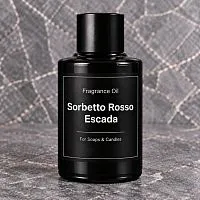
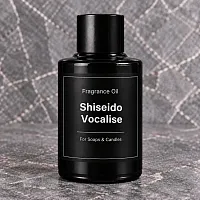
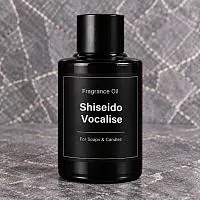
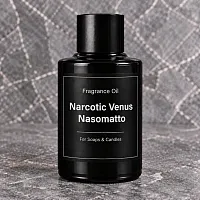


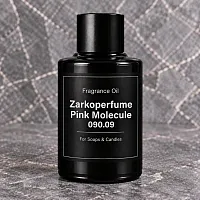
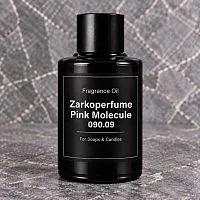
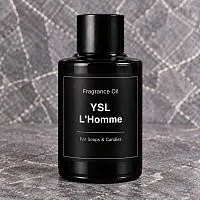
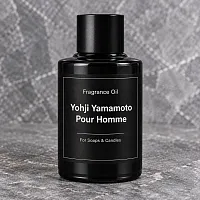
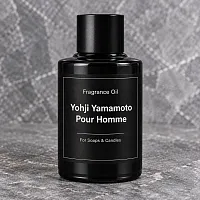
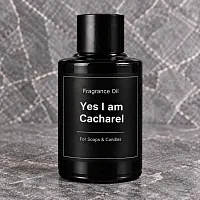
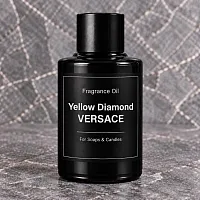
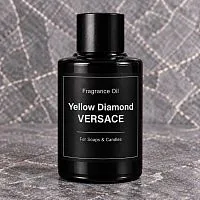
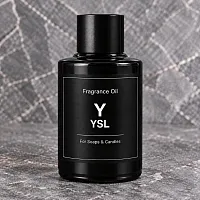
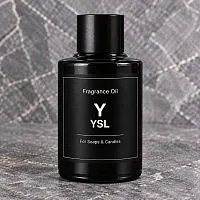
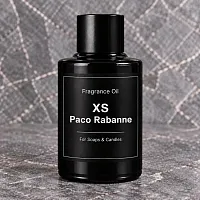
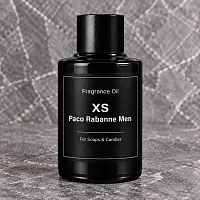
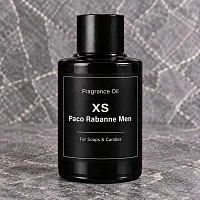
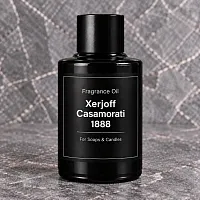
Blended aromatic bases for creams, lotions and personal care lines
Perfume compositions are pre-blended aromatic mixtures combining multiple fragrance notes into a single ready-to-dose ingredient. Instead of building a scent profile from single fragrance oils, formulators use these compositions to add complexity, depth and a layered character to a finished cosmetic product with fewer weighing steps.
These blends are used across skin creams, body lotions, hair care formulas, deodorants and other leave-on and rinse-off products, where a stable, well-rounded scent profile matters more than a single dominant note. Because the blending work is already done, formulators can move faster from concept to finished batch without sacrificing olfactory balance.
Some compositions are built specifically with a regional profile in mind, while others are selected for cost efficiency in larger production runs. Buyers exploring single-note options alongside blends often also look at Ukrainian Fragrance Oils or compare pricing tiers through Fragrance Oils Wholesale for larger batch planning.
Composition types and how they differ
Within this range, blends are generally grouped by inspiration and structure. Some compositions echo well-known designer profiles, such as a Fragrance Oil Dolce Light Blue, D&G, 25 ml or its smaller counterpart, the Fragrance Oil Dolce Light Blue, D&G, 10 ml, offering a fresh, layered citrus and floral character suited to lighter lotions and body mists.
Others lean toward warmer, more structured masculine profiles, like the Happy for Men Fragrance Oil, CIINIQUE, 5 ml and the larger Happy for men Fragrance Oil, CIINIQUE, 25 ml, which formulators often reach for in deodorant sticks and grooming creams where a longer-lasting base note is needed. Elegant, powdery-floral blends such as the Fragrance Oil Chance, C. CHANEL, 5 ml and Fragrance Oil Chance, C. CHANEL, 20 ml round out the range with a softer, more delicate profile suited to skin and hair care alike.
Choosing a blend and building a formula around it
The main selection criteria are intended finished product, desired intensity and compatibility with the rest of the formula. A composition meant for a rinse-off shampoo needs different olfactory strength and stability than one intended for a leave-on lotion, since heat, water and surfactants all affect how a scent reads in the final product.
Formulators frequently pair these blends with emulsifiers, humectants and skin-conditioning actives, adjusting the dosage rate until the scent complements rather than overwhelms the base formula. A lighter floral profile, similar to the one found in Chloe Fragrance Oil 5 ml, tends to work well in facial creams and serums, while heavier, warmer blends suit body butters and richer balms. Because these are multi-purpose aromatic ingredients rather than single-use additives, the same composition can move between several product lines with only minor dosage adjustments.
Origin and storage considerations
Compositions in this category commonly originate from France and Turkey, two regions with established fragrance production traditions and differing olfactory styles, from classic French perfumery structures to more cost-efficient Turkish blends suited to larger production runs. Buyers weighing origin alongside price often check the French Fragrance Oils selection for a more regionally focused shortlist.
Like most fragrance ingredients, these blends should be stored in tightly closed containers, away from direct sunlight and heat sources, to preserve their olfactory profile over time. Batch sizes and packaging formats vary by supplier, so it is worth confirming volume and concentration details before finalizing a formulation plan.
FAQ
What is the difference between a perfume composition and a single fragrance oil?
A fragrance oil carries one dominant note, while a perfume composition is a pre-blended mix of several notes designed to give a rounder, layered scent. Compositions save formulators the step of manually combining multiple oils to reach a balanced profile.
Can perfume compositions be used in both leave-on and rinse-off products?
Yes, these blends are formulated to perform in creams, lotions, deodorants and hair care bases as well as rinse-off formats like washes. Their balanced structure tends to hold up across different product bases, though a small stability trial is still recommended.
How should perfume compositions be stored before use?
Keep containers tightly closed, away from direct light and heat, in a cool dry area. Fragrance blends can drift in character over time if exposed to temperature swings, so stable storage helps preserve the intended scent profile until it is dosed into a batch.
How do I choose between a regional profile blend and a standard composition?
Regional profile blends are built around preferences tied to a specific market, while standard compositions are chosen mainly for balance and cost efficiency across larger production runs. The right pick depends on your target audience and batch size.
Recommendations
When picking a perfume composition, match the blend's character to your finished product base and test it at your planned dosage before scaling up a batch, since some notes shift once combined with emulsifiers or surfactants. Consider ordering a small sample lot first if you are working with a new supplier or an unfamiliar blend. For quotes, batch sizes or questions about a specific composition, reach out by email and our team will help you find the right fit for your production plan.


