-
 Absolutes
-
 Active Complexes
-
 Actives & Peptides
-
 Amino Acids & Proteins
-
 Food Flavors
-
 Ayurvedic Ingredients & Herbs
-
 Vitamins & Coenzymes
-
 Chocolate Making Supplies
-
 Thickeners & Gelling Agents
-
 Hydrosols & Floral Waters
-
 Hydrolyzed Proteins
-
 Fragrance Ingredients
-
 Nutraceutical Ingredients
-
 Acids, Salts, Alcohols & Alkalis
-
 Preservatives & Antioxidants
-
 Cosmetic Ingredients
-
 Colorants, Micas & Glitters
-
 Masks, Scrubs & Botanicals
-
 Oils & Butters
-
 Candle Making Supplies
-
 Melt and Pour Soap Bases
-
 Cream, Lotion & Hair Care Bases
-
 Fragrance Oils & Industrial Aromatics
-
 Cleansing Agents & Surfactants
-
 Peeling Actives & Acids
-
 Cosmetic Powders
-
 Solvents & Humectants
-
 Silicones & Conditioning Agents
-
 Bottles, Jars & Vials
-
 Silicone & Plastic Molds, Tools
-
 Botanical Extracts
-
 Cosmetic Emollients
-
 Emulsifiers
-
 Essential Oils


Bath Bomb Colorants

 Add to cart

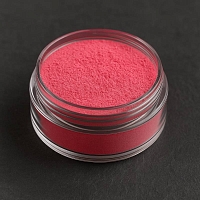
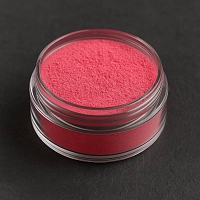
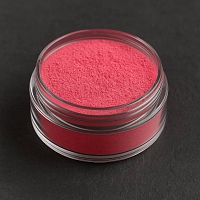
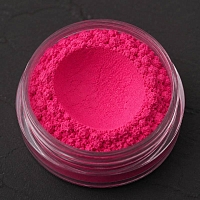
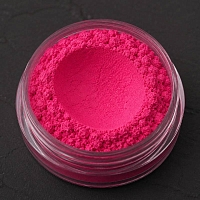
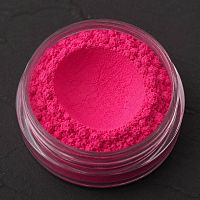
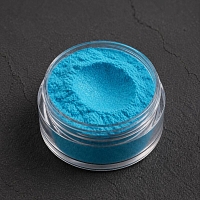
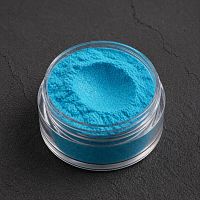
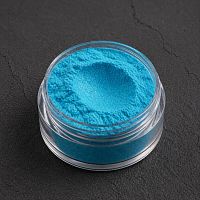
Colorants for fizzing blends and molded cosmetic forms
This section covers powder pigments formulated to stay stable in effervescent and moisture-rich cosmetic bases. They resist bleeding, hold their tone when exposed to citric acid reactions, and blend evenly into dry mixes without clumping. Formulators use them to build consistent, repeatable color across batches of molded and pressed cosmetic products.
Beyond fizzing formats, the same pigments work well in body scrubs, solid lotion bars, pressed powders, and other anhydrous cosmetic bases where color needs to survive compaction and contact with skin oils. Some shades pair naturally with Titanium Dioxide to lighten a tone or build opacity before adding depth with a stronger pigment.
Because particle size and dispersion vary between suppliers, formulators often test small batches first, checking how a shade performs once it hits water or oil before committing to a full production run.
Shade Ranges and How They Differ
Within this group, shades split mainly by hue family and by how a pigment reacts once it meets moisture. A Pigment Turquoise craft for bombs, 5 g behaves differently in a wet base than a dry pressed one, so formulators usually keep both a small trial pack and a larger working supply on hand, which is why the same turquoise shade is offered as a 100 g pack and a 1 kg pack for repeat production runs.
Warm and cool tones sit at opposite ends of the range. A Raspberry Craft Pigment for Bath Bombs 1 kg reads as a saturated warm pink and holds its intensity well against acid activity, while a Pigment Blue craft for bombs, 1 kg leans cooler and is often used to shift a blend toward a deeper, more muted tone. Smaller raspberry packs, such as the 100 g and 5 g options, let a formulator dial in the exact concentration needed before scaling a recipe up.
Choosing a Shade and Building a Formula
The main criteria are dispersion behavior, resistance to fading on contact with oils or acids, and how the shade shifts once diluted. Testing a pinch in the intended base first avoids surprises in a full batch, since color intensity on paper rarely matches the final poured or pressed result.
These pigments are not limited to one type of cosmetic base. Formulators blend them into scrubs, solid lotion bars, pressed powders, and other anhydrous mixes where a stable, non-bleeding tone matters. Many shades are combined with white bases to soften intensity or build opacity before layering in a stronger color, and pairing with fillers or binders common in pressed formats helps keep the tone even across a full production batch. For a wider palette beyond this specific range, the Dyes for Soap, Cosmetics, Food & Confectionery section covers additional colorant families that work across similar bases.
Origin and Storage
Pigments in this range are sourced from the United States. To keep color performance consistent between batches, store containers sealed, away from direct light and humidity, since moisture exposure is one of the main causes of clumping or uneven dispersion when a pigment is later mixed into a base.
FAQ
What makes a colorant suitable for effervescent cosmetic bases
A pigment needs to resist bleeding and hold its tone once it contacts moisture, oils, or citric acid reactions. Formulators look for consistent dispersion in dry mixes, no clumping during blending, and stable color output batch after batch in molded or pressed products.
Can these pigments be used outside fizzing formats
Yes, the same colorants perform well in body scrubs, solid lotion bars, pressed powders, and other anhydrous bases where color must survive compaction and contact with skin oils. They are not limited to one application and function as general-purpose cosmetic pigments.
How do i test a new pigment shade before a full batch
Run a small trial batch first and observe how the shade behaves once it meets water or oil, since particle size and dispersion differ between suppliers. This reveals bleeding, shade shift, or uneven distribution before committing raw material to a larger production run.
How should powder pigments be stored to keep their color stable
Keep pigments sealed, dry, and away from direct light and humidity, since moisture exposure can trigger premature reactions in citric-acid based mixes. Proper storage preserves hue consistency and prevents clumping before the powder is blended into a formulation.
Recommendations
Match the pigment to your base rather than the finished look alone: check how the shade reacts with moisture or oil in a small trial before scaling up, and pair lighter tones with a titanium dioxide base when you need to adjust opacity. If you are sourcing a full production batch, reach out by email with your target shade and base type so we can confirm current stock and lead time.