-
 Absolutes
-
 Active Complexes
-
 Actives & Peptides
-
 Amino Acids & Proteins
-
 Food Flavors
-
 Ayurvedic Ingredients & Herbs
-
 Vitamins & Coenzymes
-
 Chocolate Making Supplies
-
 Thickeners & Gelling Agents
-
 Hydrosols & Floral Waters
-
 Hydrolyzed Proteins
-
 Fragrance Ingredients
-
 Nutraceutical Ingredients
-
 Acids, Salts, Alcohols & Alkalis
-
 Preservatives & Antioxidants
-
 Cosmetic Ingredients
-
 Colorants, Micas & Glitters
-
 Masks, Scrubs & Botanicals
-
 Oils & Butters
-
 Candle Making Supplies
-
 Melt and Pour Soap Bases
-
 Cream, Lotion & Hair Care Bases
-
 Fragrance Oils & Industrial Aromatics
-
 Cleansing Agents & Surfactants
-
 Peeling Actives & Acids
-
 Cosmetic Powders
-
 Solvents & Humectants
-
 Silicones & Conditioning Agents
-
 Bottles, Jars & Vials
-
 Silicone & Plastic Molds, Tools
-
 Botanical Extracts
-
 Cosmetic Emollients
-
 Emulsifiers
-
 Essential Oils
- Alginate Face Masks 115
- Bath Beads and Pearls 75
- Waxes for cosmetics 69
- Cosmetic Clay 45
- Face and Body Masks 89
- Scrubs for Cosmetic Production 113
- Bath Salts 48
- Natural dried flowers 37
- Alginate Masks Wholesale 176
- Clays for Cosmetics Wholesale 35
- Additives for Cosmetics Wholesale 327
- Face and Body Masks Wholesale 175
- Scrub Ingredients Wholesale 121
- Bath Salt Wholesale 57
- Cosmetic Clays Wholesale 4


Scrubs for Cosmetic Production

 Add to cart

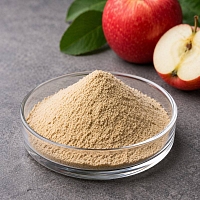
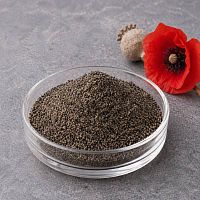
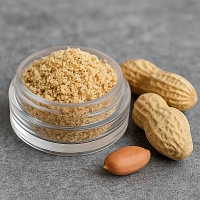
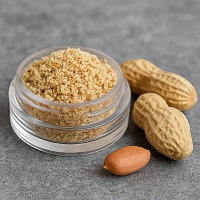


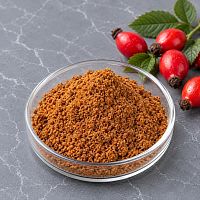
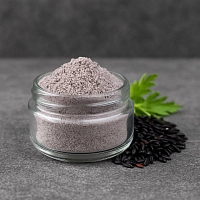
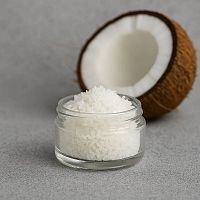


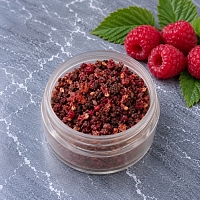

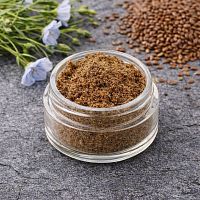
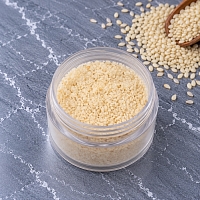

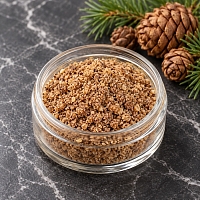


Exfoliating bases and particles for body and face formulas
This section brings together exfoliating bases, granules, and particle blends used as the mechanical or textural core of scrub and polish formulations. Options range from fine, gentle grains suited to facial products to coarser textures built for body and foot treatments, giving formulators room to match abrasiveness to the intended skin type and use case.
These materials are chosen by both home-based formulators and larger cosmetic manufacturers building body scrubs, facial polishes, foot care treatments, and multi-step spa lines. Particle size, shape, and hardness directly affect how a finished product feels and performs, so many buyers combine bases from this section with complementary ingredients from <a href=\"https://xn----utbcjbgv0e.com.ua/en/maski-dlja-lica/dobavki-opt/\">Additives for Cosmetics Wholesale</a> to fine-tune texture, color, or added functionality in the final formula.
Some formulators also pair these exfoliating bases with botanical elements from our <a href=\"https://xn----utbcjbgv0e.com.ua/en/maski-dlja-lica/suhocvety/\">Natural dried flowers</a> range, layering visual and textural interest into rinse-off masks, polishes, and body treatments.
Grain types and how they differ
Plant-derived particles form the largest group in this section. Oat, corn, and rice powders tend to be softer and break down more gradually during use, which is why they often end up in facial polishes and gentle rinse-off treatments, including the Oat Powder Scrub 50 g or the Japanese rice scrub powder 50 g.
Coarser plant particles, such as the Corn scrub BIO 50 g or the Mung Beans Organic Scrub 25 g, hold their shape longer under friction, making them a better fit for body and foot formulas where a stronger mechanical action is expected. Fruit stone and seed based particles, like the Grape seed body scrub 50 g and roasted seed particles such as the Coffee Scrub 50 g, sit at the firmer end of the spectrum and are typically reserved for body use rather than facial applications. A separate group is built on processed cellulose, seen in the Cellulose Coconut Scrub 30 g, offering a more uniform particle shape and a softer edge compared to raw plant grains.
Choosing a base and building the rest of the formula
The main selection criteria are particle hardness, size, and how quickly the grain softens on contact with water and oil phases. Facial formulas generally call for smaller, softer particles, while foot and elbow treatments can carry coarser, longer-lasting textures without discomfort.
Once the abrasive base is chosen, formulators typically build the surrounding phase with oils, butters, or emulsifying components to bind the particles and control glide during application. For products that also need a melt or slip layer, bases from Waxes for cosmetics are a common addition, helping hold particles in suspension within balm-style or compact scrub formats.
Origin and storage
Raw materials in this section come from a range of countries, including Germany, Thailand, Tunisia, Japan, Ukraine, Sri Lanka, the United States, and France, reflecting the diversity of plant and seed sources used for different particle types.
As dry, low-moisture materials, these bases generally keep well when stored in sealed containers away from direct heat and humidity, which helps prevent clumping and preserves consistent particle size for future batches.
FAQ
What is the difference between fine and coarse exfoliating particles?
Fine particles suit facial formulas and sensitive skin, offering gentle mechanical action, while coarser grains are built for body and foot treatments where a stronger polishing effect is needed. Particle hardness and edge shape also affect how abrasive the finished product feels on skin.
Which exfoliating bases work best for natural or plant-based formulas?
Oat, ground seed shells, and similar plant-derived particles are common choices for formulators targeting natural-leaning product lines. They vary in hardness and particle shape, so testing a small batch helps confirm the texture matches the intended finished scrub or polish.
Can these particles be combined with other cosmetic ingredients?
Yes, exfoliating bases are commonly blended with oils, butters, and functional additives to adjust texture, spreadability, and skin feel. Many formulators also add color or botanical elements to build a more complete scrub or polish recipe.
How should exfoliating particles be stored before use?
Keep particles in a sealed, dry container away from direct moisture and heat to prevent clumping or spoilage, especially with plant-derived types. Proper storage preserves texture consistency and extends usable shelf life before formulation.
Recommendations
When choosing an exfoliating base, match particle size and hardness to the target skin area, finer grains for facial polishes, coarser textures for body and foot formulas. Consider how the particles will behave once blended with oils or emulsions, since some soften or dissolve over time while others remain abrasive throughout use. If you are developing a new scrub or polish line and want to compare grain types before committing to a larger batch, reach out by email and our team can help you select the right texture for your formulation.



