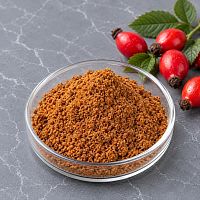
Why Black Rice Powder Earns Its Place in Modern Exfoliating Formulas
Black rice has a long history in Asian spa traditions, valued for its ability to gently renew skin texture without harsh mechanical stress. When milled into a fine powder, the grain retains natural antioxidants and trace minerals concentrated in its dark bran layer, making it more than just a physical exfoliant. This 25 g pack size is particularly convenient for home-based crafters testing a new formula batch or for small studios preparing single jars for individual clients before committing to larger production runs. This type of product falls under Scrubs for Cosmetic Production, a category covering dry and paste-based abrasive blends used to cleanse and refresh facial and body skin.
The cosmetic manufacturing industry represents the primary market for milled black rice, where it appears in scrubs, masks, peeling treatments, and even certain handmade soap formulations. Beyond adding visual texture with its distinctive dark specks, the powder functions as a gentle abrasive that gradually softens on contact with water, reducing the risk of micro-tearing compared to coarser mineral particles. This makes it a popular choice for facial scrubs designed for sensitive or reactive skin types that still require effective removal of dead surface cells.
In formulation work, black rice powder blends well with carrier oils such as jojoba, sweet almond, or grapeseed, along with honey, clay bases, and botanical extracts. Combining it with abrasives of different particle sizes allows formulators to fine-tune exfoliation intensity: pairing it with the coarser Sesame scrub creates a stronger effect suited for body treatments, while blending with the gentler Oat Powder Scrub works better for delicate areas and facial applications. A small addition of Cyprus Salt can further enhance the detoxifying quality of the finished blend.
Black rice powder should be introduced at the final formulation stage, into a cold or only slightly warmed base kept below 40 degrees Celsius, to preserve particle structure and prevent premature signs of fatigue. Typical usage rates range from 10 to 30 percent of total product weight, depending on the desired texture and exfoliation strength. Store the powder in a dry, dark place inside a tightly sealed container, since moisture exposure can cause clumping and shorten shelf stability.
Given its natural origin and adaptability, black rice powder is used not only by professional cosmetic labs but also by home soap makers and small-batch spa product creators. It fits naturally into product lines built around Asian-inspired, ayurvedic, or organic positioning, where ingredient authenticity plays a central marketing role.
Nourishing Black Rice Facial Polish
Black Rice SPA Scrub - 15 g
Sweet almond oil - 20 ml
Raw honey - 10 g
Aloe vera gel - 8 g
Combine the honey and aloe vera gel in a small bowl, stirring until fully blended, then add the sweet almond oil and mix again. Sprinkle in the black rice scrub powder and fold gently with a wooden spatula until a smooth, spreadable paste forms. Apply to damp, cleansed facial skin using light circular motions, avoiding the eye area, leave on for two to three minutes, then rinse thoroughly with warm water.