-
 Absolutes
-
 Active Complexes
-
 Actives and Peptides for Cosmetics
-
 Amino Acids
-
 Food Flavorings
-
 Ayurveda
-
 Vitamins
-
 Gelling Agents and Thickeners
-
 Hydrosols and Floral Waters
-
 Hydrolyzed Proteins
-
 Fragrant and aromatic substances
-
 Acids, Salts, Alcohols, and Alkalis
-
 Preservatives and Antioxidants
-
 Cosmetic Raw Materials
-
 Dyes, Pearlescents, and Glitters
-
 Face Masks, Scrubs, and Dried Flowers
-
 Oils, batters, macerates, oil mixtures
-
 Candle Supplies
-
 Melt and Pour Soap Bases
-
 Base for cosmetics, cream, serum, shampoo
-
 Fragrance Oils
-
 Surfactants
-
 Peelings for Skin
-
 Herbal Powders and Plant
-
 Silicones and Conditioning Surfactants for Hair
-
 Raw materials for dietary supplements
-
 Packaging for Cosmetics and Perfumes
-
 Molds, Packaging, Tools
-
 Organic Extracts
-
 Emollients for Cosmetics
-
 Emulsifiers
-
 Essential Oils


Candle Jars

 Add to cart


 Subscribe


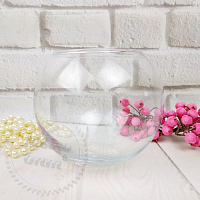


Колбы для свечей от Мыло Опт
Колбы для свечей – это неотъемлемый элемент в производстве свечей, который придает изделию не только завершенный вид, но и обеспечивает его безопасность. На сайте Мыло Опт представлен широкий ассортимент колб и емкостей для свечей, включая стеклянные и жестяные банки, стаканы, подсвечники и многое другое. В этом разделе мы расскажем о назначении, применении и преимуществах различных типов колб для свечей, доступных в магазине Мыло Опт, а также предоставим рекомендации по использованию и рецепты для создания красивых и ароматных свечей.
Назначение и применение колб для свечей
Колбы для свечей служат не только эстетической цели, но и выполняют несколько важных функций:
- Безопасность: Колбы предотвращают возгорание окружающих предметов, ограничивая открытое пламя свечи. Это особенно важно при использовании свечей в помещении.
- Декоративный элемент: Колбы и емкости придают свечам эстетически привлекательный вид, делая их неотъемлемой частью интерьера. Они могут быть выполнены из различных материалов, таких как стекло, металл, керамика, что позволяет подобрать колбу под любой стиль.
- Удобство в использовании: Колбы облегчают процесс изготовления свечей и их использование. Например, стеклянные стаканы для свечей позволяют удобно разливать в них воск и обеспечивают длительное горение свечи без подтеков.
Типы колб и емкостей для свечей
-
Стеклянные колбы и стаканы для свечей: Прозрачное или матовое стекло идеально подходит для создания декоративных свечей. Стекло устойчиво к высоким температурам и обеспечивает безопасность использования. Посетите раздел стеклянные стаканы для свечей на нашем сайте, чтобы выбрать подходящий вариант для вашего проекта.
-
Жестяные банки для свечей: Легкие и прочные, жестяные банки являются отличным выбором для путешествий и подарков. Они хорошо защищают свечу и легко закрываются крышкой, что предотвращает выветривание аромата. Ознакомьтесь с ассортиментом жестяных банок для свечей на сайте Мыло Опт.
-
Банки с крышками: Эти емкости удобны для хранения свечей, так как крышка защищает свечу от пыли и сохраняет аромат. Они идеально подходят для подарков и использования в интерьере. Посетите банки с крышками для свечей, чтобы узнать больше.
-
Подсвечники: Стеклянные подсвечники придают свечам дополнительное изящество. Они могут использоваться как для декоративных целей, так и для повседневного использования. Прочность стекла и разнообразие форм делают их универсальными аксессуарами.
Производство и качество
Компания Мыло Опт уделяет особое внимание качеству представленной продукции. Колбы и емкости изготавливаются из высококачественных материалов, которые гарантируют долговечность и безопасность использования. Независимо от того, создаете ли вы свечи для личного использования, подарков или коммерческой продажи, в нашем магазине вы найдете все необходимые аксессуары для свечей.
Рецепт изготовления свечей в домашних условиях
Для создания свечи в домашних условиях вам понадобится:
- Восковая основа (соевый воск или пчелиный воск)
- Эфирные масла для аромата
- Красители
- Фитили
- Колба или емкость для свечи
Инструкция:
- Растопите воск на водяной бане до полного расплавления.
- Добавьте несколько капель эфирного масла и красителя по желанию. Хорошо перемешайте.
- Установите фитиль в центр колбы или емкости.
- Аккуратно залейте расплавленный воск в емкость, оставив немного места до краев.
- Дайте свече полностью остыть и затвердеть перед использованием.
Где купить колбы для свечей?
Мыло Опт предлагает широкий выбор колб для свечей и других материалов для их изготовления. Мы обеспечиваем доставку по всему миру, поэтому вы можете заказывать нашу продукцию из любой точки планеты. Ознакомьтесь с нашим ассортиментом на сайте мыло-опт.com.ua и выберите качественные товары для создания ваших уникальных свечей.
Вы можете приобрести качественные колбы и емкости для свечей в разделе колбы для свечей на сайте Мыло Опт. Мы предлагаем товары для каждого проекта – от простых домашних свечей до профессиональных изделий. Посетите наш сайт и начните творить уже сегодня!