-
 Absolutes
-
 Active Complexes
-
 Actives & Peptides
-
 Amino Acids & Proteins
-
 Food Flavors
-
 Ayurvedic Ingredients & Herbs
-
 Vitamins & Coenzymes
-
 Chocolate Making Supplies
-
 Thickeners & Gelling Agents
-
 Hydrosols & Floral Waters
-
 Hydrolyzed Proteins
-
 Fragrance Ingredients
-
 Nutraceutical Ingredients
-
 Acids, Salts, Alcohols & Alkalis
-
 Preservatives & Antioxidants
-
 Cosmetic Ingredients
-
 Colorants, Micas & Glitters
-
 Masks, Scrubs & Botanicals
-
 Oils & Butters
-
 Candle Making Supplies
-
 Melt and Pour Soap Bases
-
 Cream, Lotion & Hair Care Bases
-
 Fragrance Oils & Industrial Aromatics
-
 Cleansing Agents & Surfactants
-
 Peeling Actives & Acids
-
 Cosmetic Powders
-
 Solvents & Humectants
-
 Silicones & Conditioning Agents
-
 Bottles, Jars & Vials
-
 Silicone & Plastic Molds, Tools
-
 Botanical Extracts
-
 Cosmetic Emollients
-
 Emulsifiers
-
 Essential Oils
- Polymer clay 170
- Plaster figures 315
- Wooden blanks 107
- Kids canvas for painting 3
- Magnet blanks 26
- Clock blanks 13
- Box blanks 7
- Bead embroidery kits 32
- Soap Making Kits 8
- Jewelry Crafting Kits 5
- Creative and handmade kits 27
- Doll Sewing Kits 41
- Embroidery Magnet Kits 196
- Plaster Hand and Foot Imprint 2
- Suction cups 6
- Wood Painting 13
- Ceramic Painting 8
- Fabric painting 4
- Canvas Painting 5
- Earring Findings 7


Plaster figures

 Add to cart


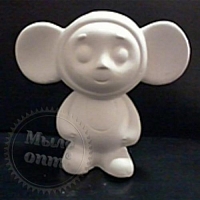


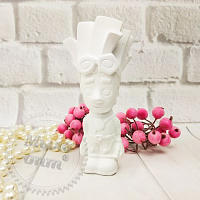


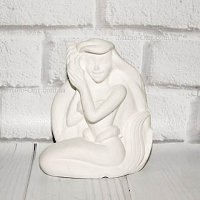
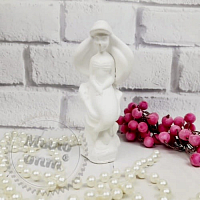
Blank molded shapes for finishing, painting and craft assembly
This section brings together unpainted plaster figures used as blank forms for painting, coating and decorative assembly. Shapes range from small charms and pendants to larger standalone pieces, all cast and ready for further finishing rather than sold as a completed product.
Because the material is porous and takes primer, paint and sealant evenly, the same blank works across quite different projects: a hobby studio building seasonal gift sets, a workshop preparing pieces for a craft market, or a small production line assembling finished decor items. Some buyers combine these blanks with items from creative and handmade kits to build a complete activity set for children or beginners, pairing a plaster blank with paints and brushes in one box.
Retailers assembling seasonal or themed bundles often look at figures alongside molds and finishing supplies to plan a full production batch rather than a single item, matching shape sizes to the packaging already used for other craft lines.
Character shapes and blank formats
Within this group, the range splits mainly by subject and by complexity of the cast. Licensed character shapes such as Plaster figure Luntik, Plaster figure Pony Sparkle and Plaster Cast Pony Fluttershy are cast with fine detail on the mane, face and hooves, which suits buyers who plan careful hand painting. Simpler rounded forms, like the Plaster figure Teddy bear or the Plaster figurine Lion, have broader surfaces and fewer thin elements, which makes them faster to prime and coat in a workshop batch.
Story and fantasy subjects extend the same idea further, from Rapunzel plaster figure and Plaster figure The Little Mermaid 2 to Plaster figure Fixik Fire and Plaster of Paris figurine Rainbow Dash. A separate line is flat and openwork pieces, such as the Plaster mask 3, blank, openwork mask, which is cast thin and pierced for wall display or as a base for mixed-media decor rather than a standalone figure on a shelf.
Choosing a shape and building a project around it
The main selection criteria are surface detail, base size and how the piece will stand or hang once finished. Detailed character shapes reward slower work with fine brushes and multiple paint layers, while plain rounded forms are better suited to quick batch coating with a sponge or airbrush. Base width also matters for stability once acrylics, varnish or texture paste add extra weight to the front of the piece.
Many buyers do not treat the blank as an isolated item. A ready seasonal box, like the New Year's set Gypsum figurine Minion, Acrylic paints, Brush, New Year's packaging, shows how a single shape becomes a full activity kit once paint, a brush and packaging are added. For a broader palette or a different texture entirely, some workshops pair plaster blanks with Polymer clay to combine a rigid cast base with a moldable decorative layer, mixing the two materials in one finished piece.
Origin, handling and storage
The plaster blanks in this section are produced in Ukraine, which keeps lead times shorter for repeat batch orders during a production season. As a cast mineral material, the pieces are best kept in a dry space, stacked with light padding between layers, since the surface is porous and can pick up moisture or dust before priming.
For studios planning several seasonal releases a year, it helps to reserve shelf space by subject group, keeping character figures, animal shapes and flat openwork pieces separated so that fragile detail areas are not pressed against neighboring items during storage.
FAQ
What are unpainted plaster figures used for
Unpainted plaster figures are blank castings meant for further finishing. Buyers prime, paint and seal them to create pendants, charms, decor pieces or standalone gift items, so the same blank can end up in very different finished products depending on the workshop.
What paint works best on plaster blanks
Plaster is porous, so acrylic paints, gouache and water based sealants bond evenly across the surface. A thin primer coat first helps color sit consistently and reduces absorption differences between the smooth and textured areas of a cast shape.
Do plaster blanks need sealing after painting
Sealing is common practice, since raw plaster stays porous and can absorb moisture or show wear over time. A varnish or sealant layer applied after painting protects the color and gives the surface a more finished, durable feel for handling and display.
Can these blanks be used for children's craft activities
Yes, small and mid sized blanks are frequently paired with paints and brushes to build activity sets for children or beginners. The shapes are lightweight and easy to hold, which makes them suitable for guided painting sessions or simple gift assembly.
How should plaster figures be stored before finishing
Store blanks in a dry area away from direct moisture, since plaster can absorb humidity from the air and become fragile or develop surface marks. Stacking should be avoided for larger or detailed pieces to prevent chipping before painting begins.
Recommendations
When choosing plaster blanks, match the shape size and level of detail to how the piece will actually be finished, a small charm needs less surface prep than a large standalone figure meant for layered painting. Check that the batch has consistent casting quality, since uneven surfaces make priming and coloring harder to control across a production run. If you are planning a themed or seasonal bundle, it also helps to review packaging and finishing supplies together so sizes line up from the start. Reach out by email with your project details and order volume, and our team will help you put together a suitable set of blanks for the batch.