-
 Absolutes
-
 Active Complexes
-
 Actives & Peptides
-
 Amino Acids & Proteins
-
 Food Flavors
-
 Ayurvedic Ingredients & Herbs
-
 Vitamins & Coenzymes
-
 Chocolate Making Supplies
-
 Thickeners & Gelling Agents
-
 Hydrosols & Floral Waters
-
 Hydrolyzed Proteins
-
 Fragrance Ingredients
-
 Nutraceutical Ingredients
-
 Acids, Salts, Alcohols & Alkalis
-
 Preservatives & Antioxidants
-
 Cosmetic Ingredients
-
 Colorants, Micas & Glitters
-
 Masks, Scrubs & Botanicals
-
 Oils & Butters
-
 Candle Making Supplies
-
 Melt and Pour Soap Bases
-
 Cream, Lotion & Hair Care Bases
-
 Fragrance Oils & Industrial Aromatics
-
 Cleansing Agents & Surfactants
-
 Peeling Actives & Acids
-
 Cosmetic Powders
-
 Solvents & Humectants
-
 Silicones & Conditioning Agents
-
 Bottles, Jars & Vials
-
 Silicone & Plastic Molds, Tools
-
 Botanical Extracts
-
 Cosmetic Emollients
-
 Emulsifiers
-
 Essential Oils
- Water-Soluble Oils Wholesale 25
- Bulk Liquid Oils 297
- Natural Oil Complexes Wholesale 58
- Bulk Oils 27
- Herbal Oil Extracts and Infusions Wholesale 16
- Massage Oils Wholesale 17
- Macerated Oils Wholesale 30
- Carrier Oil Blends Wholesale 71
- Solid Oils and Butters Wholesale 78
- Solid Oils and Butters Bulk Wholesale 10
- Fermented Oils Wholesale 8
- Natural Essential Oils Wholesale 769


Herbal Oil Extracts and Infusions Wholesale
 Add to cart
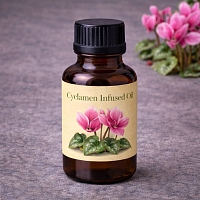
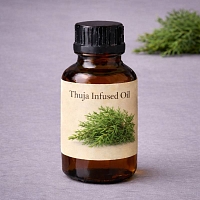
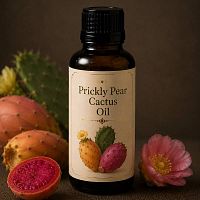
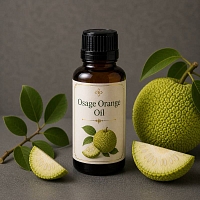
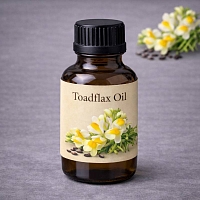
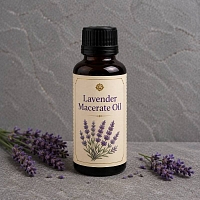
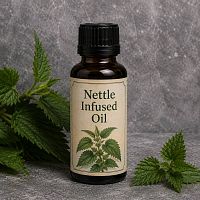
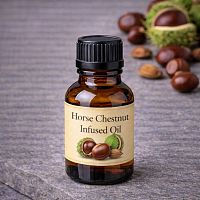
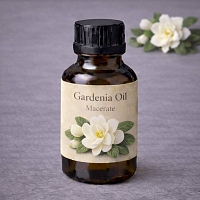
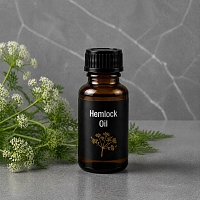
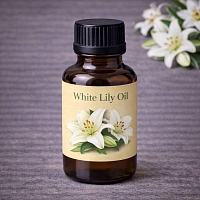
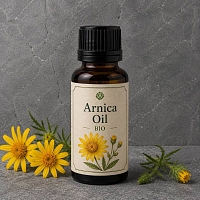
Plant-infused oils for creams serums and hair care formulas
Herbal oil extracts and infusions are carrier oils steeped with dried botanicals such as calendula chamomile nettle or St John's wort until the plant compounds transfer into the oil phase. The result is a ready-to-blend liquid that carries color, scent notes and lipid-soluble plant constituents into a formula without any separate extraction step on the formulator's side. This makes them a practical shortcut for adding a botanical character to a base that would otherwise stay plain.
Formulators fold these infusions into face and body creams, massage oils, serums, balms and conditioners, using them either as part of the oil phase or as a finishing addition after emulsification. Because the herb is already dispersed at the oil stage, texture and skin feel stay closer to a standard liquid vegetable oil than to a raw extract, so substitution in existing recipes is usually straightforward. Some formulas also lean on infusions to soften a blend that includes a firmer component, similar in role to how a solid oil or butter is used for structure.
Varieties within the range
The infusion range spans single-herb oils, blends of two or three complementary botanicals and stronger concentrated versions meant for dilution before use. A calendula infusion reads differently on skin than a nettle or St John's wort version, since each plant contributes its own color depth, subtle scent and mix of lipid-soluble constituents, so two bottles labeled as herbal oils rarely behave the same way in a finished texture.
Carrier choice also separates one infusion from another. The same dried herb steeped in a light, fast-absorbing carrier gives a thinner finish than the version made in a richer, slower-absorbing base, so checking which oil was used as the steeping medium matters as much as which plant went in. Formulators who already work with base oil blends often recognize the same logic here, since the underlying carrier still drives spreadability and absorption.
Choosing a variant and building a formula around it
Selection usually starts with the finished product in mind rather than the herb alone. A lighter infusion suits a facial serum or a leave-in conditioner, while a fuller-bodied version works better in a massage oil or a balm that needs more cushion on the skin. Reading the plant list against the intended skin feel narrows the choice faster than comparing labels side by side.
In recipes, infusions rarely stand alone. They are commonly layered with essential oils for a defined scent profile, softened with solid oils and butters for structure in balms, or paired with water soluble oils when a formula needs to bridge oil and water phases. For a project that leans on traditional plant extraction rather than a pre-made infusion, macerates offer a closely related starting point, and a formulator comparing several botanical carriers side by side may also look at natural oil complexes for a multi-plant option in one bottle.
Sourcing, packaging and storage
These oils are supplied in volumes ranging from small trial lots to bulk container sizes for production runs, which lets a buyer test a plant profile before scaling into a full batch. Because botanical constituents are light and heat sensitive, infusions keep their color and scent best away from direct sunlight and heat sources, in tightly closed containers.
A herbal infusion built specifically for direct skin contact and easy spreading is also a natural fit for massage oil formulations, where the plant profile adds a sensory layer beyond a plain carrier. Buyers sourcing several botanical carriers at once for a new formula often shortlist infusions alongside macerates and oil blends before settling on the final ratio.
FAQ
What is the difference between an herbal oil infusion and a plant extract?
An infusion is a carrier oil steeped with dried botanicals so the plant compounds dissolve directly into the oil phase, while an extract is usually a separated concentrate in liquid, powder or glycerin form. Infusions blend into the oil phase with no extra processing on the formulator's side.
How should herbal oil infusions be stored before use?
Keep infusions tightly sealed, away from direct light and heat, ideally below room temperature once opened. Exposure to air and warmth speeds up oxidation of the base oil, which can dull the color and scent the herb originally contributed to the blend.
Can herbal infusions replace part of the carrier oil in an existing recipe?
Yes, most infusions have a texture close to a standard liquid vegetable oil, so they can substitute a portion of the oil phase in creams, balms or massage blends without major reformulation. Start with a partial swap and check color and scent before a full replacement.
Which herbal infusion suits sensitive skin formulas best?
Calendula and chamomile infusions are commonly chosen for milder, calming formulas thanks to their gentle plant profile, while nettle or St John's wort infusions suit richer body and hair blends. The right pick depends on the finished product's target skin feel and scent.
Recommendations
When picking an herbal oil infusion, match the base oil to your formula's texture goals first, then choose the herb for the color, scent note and skin feel you want to bring into the blend. Check a small batch for scent strength and color intensity before committing to a full production run, since natural infusions can vary slightly between harvests. For sourcing a specific herb, blend or larger volume for ongoing production, reach out by email and we will help you find the right match for your recipe.