-
 Absolutes
-
 Active Complexes
-
 Actives & Peptides
-
 Amino Acids & Proteins
-
 Food Flavors
-
 Ayurvedic Ingredients & Herbs
-
 Vitamins & Coenzymes
-
 Chocolate Making Supplies
-
 Thickeners & Gelling Agents
-
 Hydrosols & Floral Waters
-
 Hydrolyzed Proteins
-
 Fragrance Ingredients
-
 Nutraceutical Ingredients
-
 Acids, Salts, Alcohols & Alkalis
-
 Preservatives & Antioxidants
-
 Cosmetic Ingredients
-
 Colorants, Micas & Glitters
-
 Masks, Scrubs & Botanicals
-
 Oils & Butters
-
 Candle Making Supplies
-
 Melt and Pour Soap Bases
-
 Cream, Lotion & Hair Care Bases
-
 Fragrance Oils & Industrial Aromatics
-
 Cleansing Agents & Surfactants
-
 Peeling Actives & Acids
-
 Cosmetic Powders
-
 Solvents & Humectants
-
 Silicones & Conditioning Agents
-
 Bottles, Jars & Vials
-
 Silicone & Plastic Molds, Tools
-
 Botanical Extracts
-
 Cosmetic Emollients
-
 Emulsifiers
-
 Essential Oils
- Absolutes 55
- Active Complexes 285
- Actives & Peptides 5048
- Amino Acids & Proteins 73
- Food Flavors 2097
- Ayurvedic Ingredients & Herbs 220
- Vitamins & Coenzymes 110
- Chocolate Making Supplies 109
- Thickeners & Gelling Agents 104
- Hydrosols & Floral Waters 138
- Hydrolyzed Proteins 65
- Fragrance Ingredients 44
- Nutraceutical Ingredients 797
- Acids, Salts, Alcohols & Alkalis 113
- Preservatives & Antioxidants 134
- Cosmetic Ingredients 8585
- Colorants, Micas & Glitters 1423
- Masks, Scrubs & Botanicals 1259
- Oils & Butters 1718
- Candle Making Supplies 542
- Melt and Pour Soap Bases 341
- Cream, Lotion & Hair Care Bases 89
- Fragrance Oils & Industrial Aromatics 6527
- Cleansing Agents & Surfactants 141
- Peeling Actives & Acids 57
- Cosmetic Powders 325
- Solvents & Humectants 40
- Silicones & Conditioning Agents 95
- Bottles, Jars & Vials 3927
- Silicone & Plastic Molds, Tools 5854
- Botanical Extracts 3623
- Cosmetic Emollients 116
- Emulsifiers 308
- Essential Oils 606
Vitamins & Coenzymes

 Add to cart
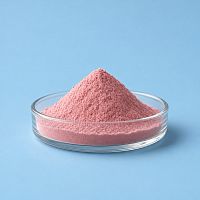


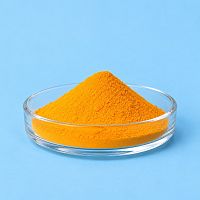
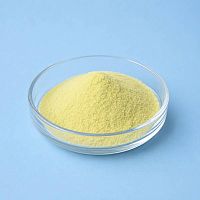
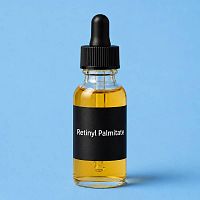


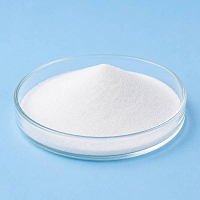
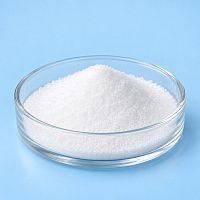

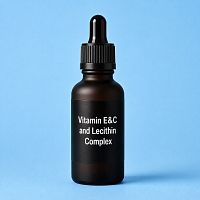
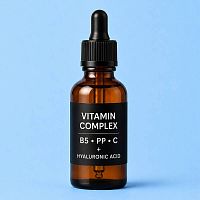


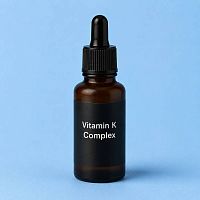
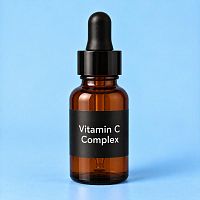
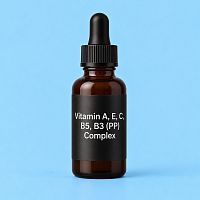

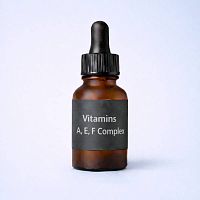
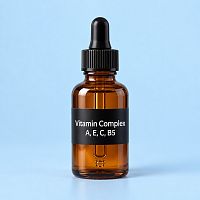
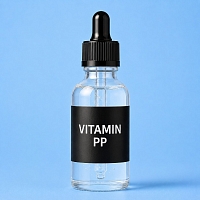


Selecting vitamin forms for cosmetic formulations
When building formulations it is essential to match vitamin type to solubility and desired product texture, for example by selecting vitamin C powder. Retail packs complement the wholesale section that offers bulk sizes for laboratories and serial production runs. Oil-soluble options go into the lipid phase, water-soluble ones into the aqueous part of emulsions, while powder forms need prior dissolution in a suitable carrier. Liquid derivatives and complexes simplify dosing when preparing creams or serums of varying density. Compatibility with base oils and extracts is additionally considered to achieve uniform texture without separation during processing.
Input percentages and addition phases
Typical concentrations range from 0.2-1% for oil solutions up to 1-5% for powders depending on final texture and emulsion type. Oil-soluble ingredients are added below 40 degrees after emulsification, water-soluble forms enter the cooled aqueous phase to prevent degradation. Liquid vitamin E works well in such emulsions. Derivative complexes are often blended with other actives at the final mixing stage to maintain molecular stability and even distribution throughout the batch. Precise dosing helps control viscosity and prevents excess concentration in the finished product.
Stability and storage conditions
Oil solutions show higher resistance to oxidation than water-based counterparts, yet all forms need protection from light and heat to preserve properties over extended periods. Powder variants are kept in dry sealed containers at room temperature, liquid derivatives stored cool without air exposure. D-Panthenol 30 ml exhibits good compatibility across emulsions when these guidelines are followed along with proper container sealing. Oil-soluble vitamin A follows the same handling rules. Regular condition checks help detect changes early and allow timely replacement of the component if required.
Use in cosmetics and food supplements
In cosmetic blends vitamins provide targeted properties to creams, gels and masks of different orientations. Oil-soluble types suit nourishing textures while water-soluble forms perform in light serums and low-viscosity gels. Vitamin F oily liquid integrates readily here. In food supplement production powder and liquid forms serve as raw materials for capsules and mixes where precise dosing and ingredient compatibility matter. These components integrate into dry blends or liquid bases while meeting technological standards at each manufacturing step.
Retail versus wholesale packs
Retail packs suit home formulators and small labs allowing tests of modest volumes before scaling formulations. Niacinamide 10 g offers a convenient trial size for experiments and accurate calculations. Provitamin B5 is another option suited to small-scale trials. Wholesale options reduce costs for ongoing production and supply larger containers for batch manufacturing with minimal losses during repackaging. Pack size selection depends on usage frequency and planned output volumes of finished goods.
Derivatives and complex forms
Complex derivatives combine several active molecules to simplify formulations and improve compatibility between components. These forms lower the chance of incompatibility during blending and help reach target concentrations without extra calculations during development. Liquid and powder complexes integrate easily into existing technological processes and ensure stability throughout the storage life of the finished item.
Frequently asked questions
How to choose a vitamin form for an emulsion type?
Consider solubility and addition phase while verifying compatibility with the planned texture and storage conditions.
Can different vitamin forms be combined?
Yes provided recommended input percentages and temperature rules are observed at all preparation stages.
What differs retail from wholesale packs?
Retail sizes suit testing and small batches while wholesale delivers savings for serial output and regular orders.
How does storage affect component activity?
Shielding from light and heat preserves properties, powders need dry conditions without moisture access for extended use.



