Fast worldwide delivery
Product catalog
Master classes, recipes, tips
AMIGEL rheology guide: Sclerotium Gum in gels emulsions and suspensions
A comprehensive technical formulation guide dedicated to managing rheology in cosmetics using the natural polysaccharide AMIGEL (Sclerotium Gum). This article explores the physical mechanisms of polymer hydration and network formation for structuring clear gels, light emulsions, and particle-suspending fluids. It covers pre-dispersion in polyols, electrolyte stability, shear rate handling, incompatibility limits, thermal limits, and precise pH controls. Features three complete DIY recipes with step-by-step compounding instructions and cold storage standards.
Natpure Film AP: natural film-forming technology for skin color cosmetics and hair
A comprehensive technical formulation guide dedicated to utilizing the bio-based film former Natpure Film AP (derived from sugar cane) in color cosmetics and hair care. This article breaks down the physical mechanics of flexible film creation, moisture resistance, and pigment adhesion enhancement. It covers aqueous dissolution protocols, compatibility with natural polymers and gums, thermal boundaries, and precise pH controls. Features three complete DIY recipes with step-by-step compounding instructions and storage standards.
ViableCare LipoCare 8: integrating a liposomal ceramide complex into barrier-care formulas
A comprehensive technical formulation guide to designing skin barrier restoration creams and liposomal fluids using ViableCare LipoCare 8. This article breaks down the physiological mechanism of ceramide integration into stratum corneum lipids to stop transepidermal water loss. It details exact processing protocols to protect liposomal structures, low-shear cooling phase entry below thirty degrees Celsius, emulsifier compatibility, and pH boundaries. Features three complete DIY recipes with step-by-step compounding instructions and cold storage standards.
Product Description

Pantothenic Acid for modern scalp hair and skin formulations

Pantothenic Acid is a water-soluble vitamin-related cosmetic ingredient used in the development of scalp products, hair care, facial serums, gels, lotions and selected emulsion systems. Its INCI name is Pantothenic Acid. Formulators should distinguish this ingredient from panthenol and pantothenate salts. Although these materials belong to the same broader vitamin B5 family, they are different chemical forms and should not automatically be processed or substituted in the same way.

The ingredient is particularly relevant to water-based formulation concepts where it can be combined with compatible humectants, proteins, amino acids and botanical materials. Its presence does not define the complete performance of a cosmetic product. A shampoo still depends on its surfactant architecture, a conditioner on its conditioning and structural system, and a cream on its emulsion design.

Scalp serum development

Scalp serums are a practical format for Pantothenic Acid because they can be designed as lightweight water-based systems. The formula may include humectants, selected amino acids, protein hydrolysates and botanical extracts.

A scalp serum should spread easily without leaving excessive residue. This means that the total level of polymers and humectants needs careful adjustment. Combining high amounts of glycerin with several other hygroscopic materials may create an unnecessarily sticky finish.

For spray applications, viscosity must remain compatible with the selected pump. A fine mist package requires a different rheological profile from a dropper serum or nozzle applicator. Packaging should therefore be selected during development rather than after the formula has been completed.

Shampoo formulation concepts

Pantothenic Acid may be incorporated into shampoo concepts as one component of a broader functional system. The cleansing performance of the shampoo comes from the surfactant blend, while viscosity may be created through electrolyte response or a dedicated rheology modifier.

The ingredient can be combined with compatible hydrolyzed proteins, betaine and selected botanical extracts. The number of additions should remain technically manageable. Every extract solution can influence color, odor, viscosity and preservation requirements.

In transparent shampoos, clarity should be evaluated after all functional ingredients and fragrance have been added. A clear surfactant base may become hazy after the introduction of proteins or botanical materials.

Conditioner and mask applications

Pantothenic Acid can also be considered for water phases of conditioners and hair masks. These products require a complete emulsion and conditioning architecture.

Fatty alcohols create body and support texture. Conditioning ingredients influence hair feel and combability. Oils and esters modify richness and spread. Pantothenic Acid is incorporated as a water-soluble functional ingredient and should not be expected to replace these formulation groups.

In a rinse-off mask, processing order is important. The emulsion should first be formed correctly. Heat-sensitive ingredients are then introduced at the appropriate cooling stage according to their individual technical requirements.

Facial serums and gel systems

Water-based facial products offer another formulation direction. Pantothenic Acid may be incorporated into a simple serum, toner or gel together with a limited number of compatible supporting ingredients.

A minimalist formula is often easier to control than a mixture containing numerous vitamins, acids and extracts. The formulator should evaluate solubility, pH compatibility, color development and long-term physical stability.

Hydroxyethylcellulose and other suitable water-phase rheology modifiers can be used to create serum textures. The polymer should be fully dispersed and hydrated according to its own processing requirements.

Light emulsion products

Pantothenic Acid can be incorporated into the water phase of lotions and creams. In such systems, the emulsifier and lipid phase determine the physical structure of the product.

A light facial lotion may combine the ingredient with glycerin, selected esters and a moderate oil phase. A body lotion can use a richer lipid composition. In both cases, the finished emulsion should be evaluated for separation, viscosity change and compatibility with the chosen container.

If the active phase is added during cooling, sufficient mixing is required for uniform distribution. Excessive shear after the emulsion has developed its final structure can also alter viscosity, so the manufacturing process should be defined for the specific formula.

Ingredient pairing strategies

Pantothenic Acid can be part of formulas containing protein hydrolysates, amino acid blends, humectants and selected botanical extracts. The combination should follow the purpose of the finished product.

A scalp formula may focus on a lightweight aqueous base. A hair mask can combine a vitamin concept with proteins and conditioning ingredients. A facial serum may use a smaller group of water-soluble materials to maintain a clean sensory profile.

The formulator should also consider raw material carriers. Commercial botanical extracts may arrive in water, glycerin or glycol systems, and those carriers become part of the final formulation. This can influence viscosity and preservation.

Processing and batch consistency

Water quality is fundamental in aqueous formulations. The manufacturing vessel, transfer equipment and filling process should also follow an appropriate hygiene protocol.

Pantothenic Acid should be completely dissolved and uniformly distributed. The exact process depends on the supplied raw material grade and its technical documentation.

Final pH must be measured after all relevant ingredients have been incorporated. Calculating the expected value from the acid content alone is not sufficient because other raw materials may change the final environment.

For production scale-up, records should include ingredient addition order, mixing speed, temperature and holding times. These details support repeatability between batches.

Lightweight hair and scalp mist 1000 g

Purified water 856 ml
Rosemary hydrosol 60 ml
Aloe hydrosol 30 ml
Glycerin 15 g
Pantothenic Acid 8 g
Betaine 10 g
Hydrolyzed rice protein 8 g
Hydrolyzed oat protein 5 g
Water-soluble green tea extract 4 g
Sodium PCA 3 g
Preservative 1 g

Total batch weight: 1000 g

Charge the purified water into a clean manufacturing vessel. Begin moderate mixing and add betaine and Sodium PCA. Continue mixing until the materials are completely distributed.

In a separate vessel, combine the rosemary hydrosol and aloe hydrosol. Add Pantothenic Acid gradually and mix until a uniform solution is obtained. Add this solution slowly to the main water phase.

Introduce glycerin, followed by hydrolyzed rice protein and hydrolyzed oat protein. Add the water-soluble green tea extract and continue gentle mixing until the batch is homogeneous.

Add the selected preservative according to its supplier processing requirements. Measure the actual pH of the finished formula and make any required adjustment using an appropriate validated procedure for the specific system.

Allow the batch to rest before filling. Check for sediment, haze, color change and package dispensing performance. If the formula is intended for a fine mist sprayer, perform a practical spray pattern test after the product has equilibrated.

Quality control and product line planning

Pantothenic Acid can support several connected product concepts without forcing every item into the same formula structure. A scalp mist can remain almost water-like, while a serum can use a light polymer network. A shampoo requires a surfactant system, and a mask requires a stable conditioning emulsion.

For a coordinated product collection, the ingredient may serve as a common formulation theme while each product is optimized independently. This allows a brand to create a coherent range without simply copying the same supporting ingredients into every item.

Finished product control should include appearance, pH, viscosity where relevant, odor stability, package compatibility and physical stability. Preservation must be established for the complete product. Preservatives present in individual commercial extracts or other supplied materials do not automatically provide protection for the full finished formula.

Pantothenic Acid is a versatile option for formulators developing water-based scalp products, hair care systems and lightweight skin care. Its successful use depends on accurate identification of the raw material form, careful compatibility work, controlled processing and realistic evaluation of the complete finished formulation.

Characteristics:
INCI Pantothenic Acid
pH 5.0–6.0
Other
Application Added to masks, creams, lotions and shampoos Used in anti-aging cosmetics Included in hair serums
Att brand Germany
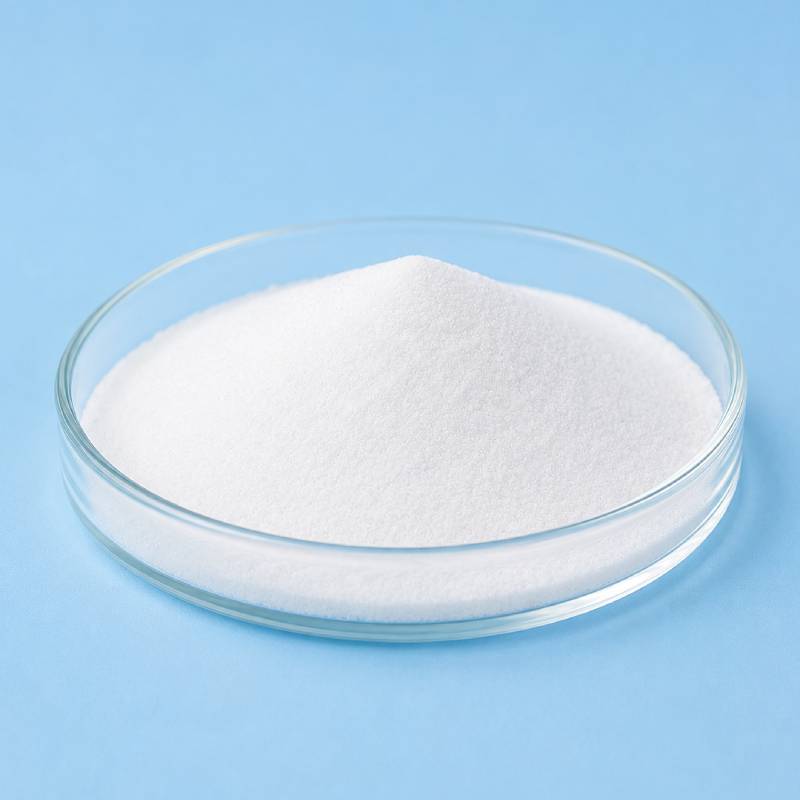
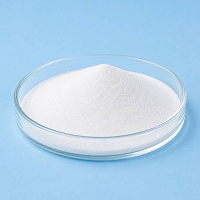
Color product white or slightly yellowish
Features All information presented on the site is for reference only
Minimum count 1
Name Pantothenic Acid 1 kg
Packaging container for transportation
Packing 1 kg
Properties Moisturizing: Threonine helps the skin retain moisture, preventing dryness and flaking. Improves skin hydration, making it softer and smoother. Anti-aging: Stimulates the synthesis of collagen and elastin, which contributes to the elasticity of the skin. Helps reduce fine wrinkles and restores skin texture. Cell regeneration: Accelerates cell renewal, which is useful for skin healing and its overall restoration. Suitable for the care of damaged or irritated skin. Skin protection: Acts as an antioxidant, protecting cells from free radicals and external aggressive factors. Strengthens the protective barrier of the skin. Hair care: Strengthens the hair structure, making it more elastic. Reduces hair breakage and adds shine. Reduces static electricity, making styling easier.
Purpose Moisturizes skin, prevents dryness Accelerates healing of damage Strengthens hair, reduces hair loss Makes nails stronger
Solubility in water
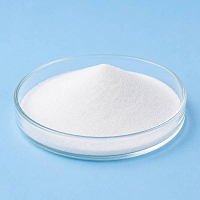
View powder
Valid until 09.2028
Reviews (1) Add a review
Product rating:
  • Date:
    today
    Author:
    Дарья, Коломыя
    Reviews

    Прекрасный выбор и быстрая доставка.

    Is the review useful? Yes (0) No (0)
Add a review
Your score:
Send feedback
Error

Close window
Product added to cart
Total:
Request the price of the product
Fill in the details for the price request
Request a price Request a price