
-
 Absolutes
-
 Active Complexes
-
 Actives & Peptides
-
 Amino Acids & Proteins
-
 Food Flavors
-
 Ayurvedic Ingredients & Herbs
-
 Vitamins & Coenzymes
-
 Chocolate Making Supplies
-
 Thickeners & Gelling Agents
-
 Hydrosols & Floral Waters
-
 Hydrolyzed Proteins
-
 Fragrance Ingredients
-
 Nutraceutical Ingredients
-
 Acids, Salts, Alcohols & Alkalis
-
 Preservatives & Antioxidants
-
 Cosmetic Ingredients
-
 Colorants, Micas & Glitters
-
 Masks, Scrubs & Botanicals
-
 Oils & Butters
-
 Candle Making Supplies
-
 Melt and Pour Soap Bases
-
 Cream, Lotion & Hair Care Bases
-
 Fragrance Oils & Industrial Aromatics
-
 Cleansing Agents & Surfactants
-
 Peeling Actives & Acids
-
 Cosmetic Powders
-
 Solvents & Humectants
-
 Silicones & Conditioning Agents
-
 Bottles, Jars & Vials
-
 Silicone & Plastic Molds, Tools
-
 Botanical Extracts
-
 Cosmetic Emollients
-
 Emulsifiers
-
 Essential Oils
- Antioxidants 128
- Biocides 12
- Hydrosols (Hydrolates) 11
- Hydrocolloids for Cosmetics 10
- Others 70
- Fragrant Waters for Cosmetics 26
- Mineral Cosmetic Ingredient 196
- Functional Components 5157
- Corneotherapy 17
- Liposomes for Cosmetics 21
- Minerals 76
- pH Neutralizers/Correctors 20
- Resins and Resinoids 17
- UV and SPF Filters for Cosmetics 103
- Fruit Powders 15
- Chemical Raw Materials 156
- Enzymes, Filtrates, and Lysates 26
- Cargill France SAS – Oils and Actives 10
- BASF Cognis Care Chemicals 12
- Vitamins & Coenzymes Wholesale 160
- Bulk Waxes for Cosmetics 61
- Others Wholesale 89
- Acids, Salts, Alcohols & Alkalis Wholesale 139
- Cosmetic Ingredients Wholesale 2612
- Food grade raw materials wholesale 13
- Fruit Powders in Bulk 23
- Antioxidants bulk 1
- Acids and Alkalis Wholesale 17
- Preservatives Bulk 5
- Bulk Surfactants 3
- Emulsifiers Bulk 14
- Hydrosols Bulk 210
Bulk Surfactants
 Add to cart
Surfactant Groups for Cosmetic Use
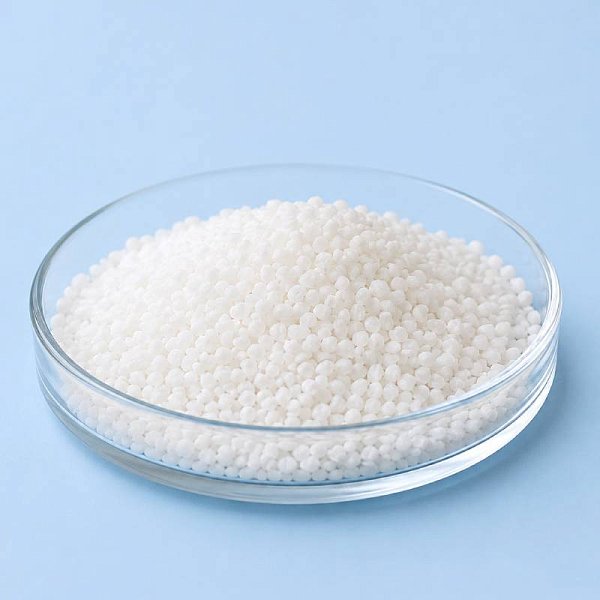
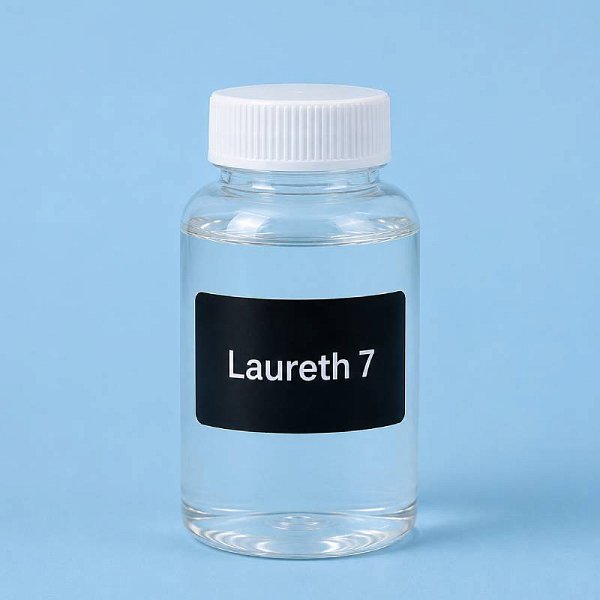
The range covers anionic, amphoteric and nonionic types that differ in charge and mildness profile. Anionic materials produce dense foam, amphoteric ones soften the overall blend, while nonionic variants commonly act as co agents for texture control. Cetylstearyl alcohol in larger packs serves as a thickener and co emulsifier, pairing well with waxes for cream textures. Selection often begins with target viscosity and skin feel requirements rather than foam volume alone.
Selection Guidance for Formulators
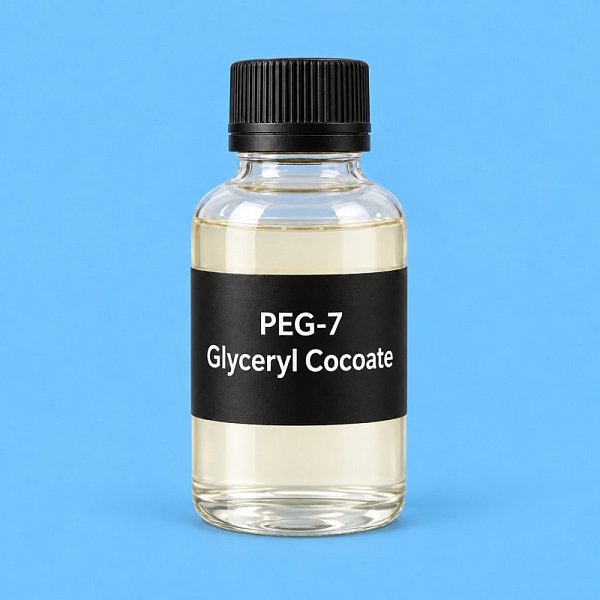
Choice depends on target viscosity, foam density and compatibility with remaining recipe components. For clear aqueous systems PEG 7 Glyceryl Cocoate helps disperse oil phase ingredients evenly. Producers usually combine two or three surfactant types to reach balanced cleansing and after feel without relying on a single high concentration material. Testing small batches first reveals how each variant interacts with thickeners and preservatives in the final mix.
Role in Finished Formulas
These ingredients appear in body washes, facial cleansers, makeup removers and intimate hygiene products where they manage emulsion stability and even distribution of fragrance oils. Viscosity adjustment often involves pairing with Hydrocolloids for Cosmetics. Recent arrivals feature Sodium Laureth Sulfate, 170 kg for production runs. Formulators working on multiple lines find it efficient to source several categories together for consistent batch quality.
Bulk Packs and Batch Consistency
Materials are supplied in 25 kg and larger containers with documented uniformity of active content and color across each lot. Accompanying technical papers support integration into ongoing production lines. Related options appear in the Cosmetic Ingredients overview. Large volume packaging reduces handling frequency and helps maintain stable supply for manufacturers scaling up output.
Recommended Storage
Keep in sealed containers at 15 25 C away from moisture and direct light. Proper conditions preserve original properties throughout the stated shelf life. Further guidance on emulsions is available in related catalog sections. Regular inventory checks ensure components remain within specification before use in new recipes.
Additional Formulation Notes
Many users explore combinations that adjust rinse off sensation and lather creaminess. Nonionic options often improve compatibility in sensitive skin formulas while anionic bases provide the primary cleansing action. Documented performance data helps predict behavior when scaling from lab trials to full production batches.
FAQ
Can different surfactant types be blended in one formula?
Yes, mixing anionic and amphoteric materials typically yields milder action and improved foam stability.
How does dosage affect final viscosity?
Higher shares of nonionic components generally increase thickness, yet exact ratios are determined through testing.
Are separate foam stabilizers required?
Well chosen combinations of two or three surfactants often eliminate the need for extra stabilizers.
Are these materials suitable for clear gels?
With proper solubilizer pairing they produce transparent systems with controlled viscosity.



