The waxy alcohol behind stable, high-volume industrial emulsions
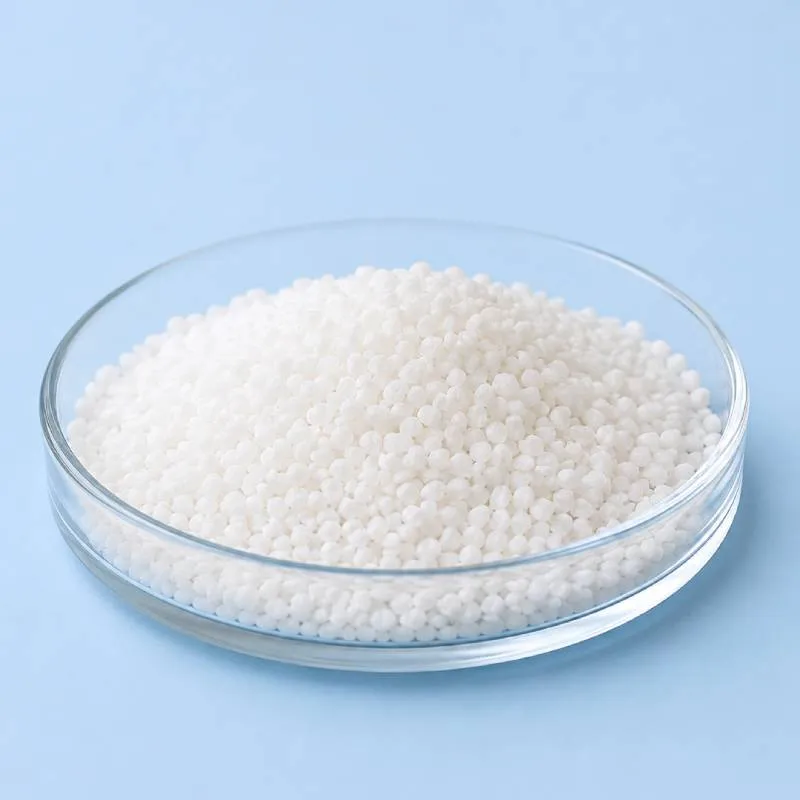
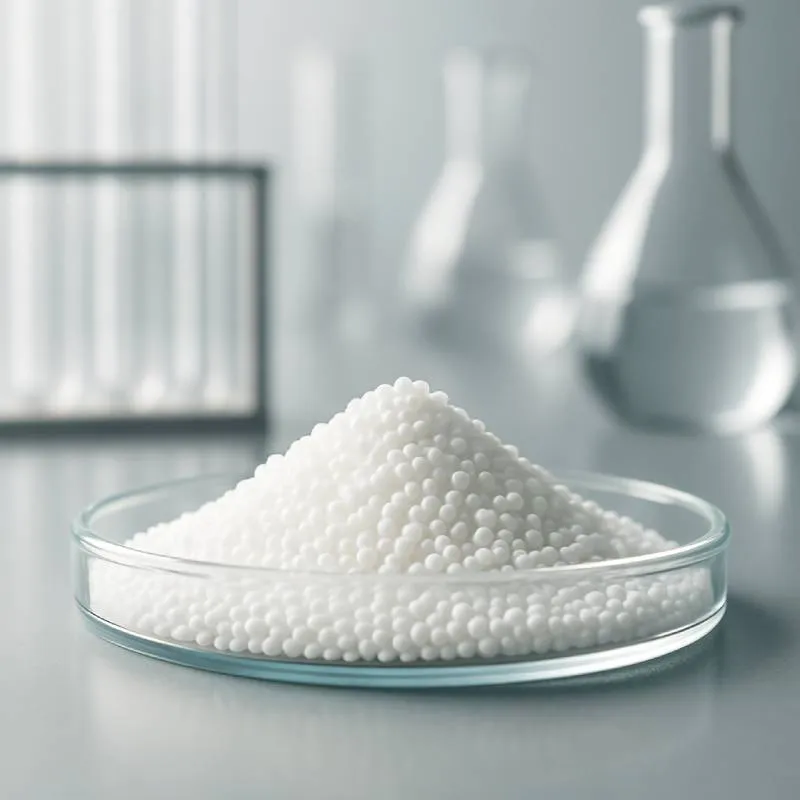
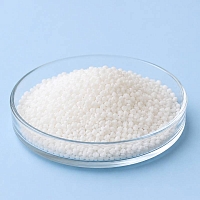
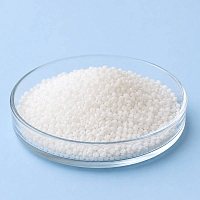
Cetyl Stearyl Alcohol is a blend of two fatty alcohols widely used in manufacturing as a thickener and co-emulsifier that boosts the stability of a formulation without acting as the primary emulsifying agent itself. It belongs to the Emulsifiers Bulk category because it is almost always paired with a full emulsifying system to build body and prevent phase separation in the finished product. The 25 kg packaging is aimed at manufacturers running continuous production lines for creams, lotions, balms and pharmaceutical ointments, where consistent raw material quality from batch to batch is essential.
The largest global demand for this alcohol comes from the cosmetic and pharmaceutical industries. In creams and lotions it builds the structure of the emulsion, gives the product a pleasant thick texture, and keeps water and oil phases from separating during storage or temperature fluctuations. In pharmaceutical manufacturing it is used in ointment bases and liniments where a uniform, non-runny mass is required. A secondary but notable application is technical chemistry: textile softeners, lubricant formulations and polishing wax pastes often rely on this alcohol as a thickening and consistency-modifying agent. Food industry use is far less common, so cosmetics and pharma remain the driving markets worldwide.
The alcohol is added to the oil phase together with other lipophilic ingredients and melted at around 70-75 degrees Celsius. Once fully melted, the oil phase is combined with a water phase heated to a similar temperature, which ensures even distribution and prevents lump formation. Typical dosage in finished emulsions ranges from 20 to 60 grams per kilogram of product depending on the desired thickness. Overdosing makes the texture excessively heavy and difficult to spread, so it is worth testing the concentration on a small trial batch before scaling up to the full drum.
Cetyl Stearyl Alcohol pairs well with complete emulsifying systems, reinforcing their stabilizing effect. It is commonly combined with Ceteareth-25 to build a classic emulsion system for medium to heavy-bodied creams. For lighter lotions and serums it works well alongside Polysorbate 80 or Polysorbate 20, allowing manufacturers to fine-tune thickness and stability at industrial scale.
Store the raw material in a dry area away from direct sunlight, at room temperature, in tightly sealed original packaging. Under proper storage conditions the product retains its declared properties for an extended period, which makes the bulk 25 kg drum a cost-effective choice for facilities running a steady production cycle.
Heavy body lotion for a production trial run
Cetyl Stearyl Alcohol 35 g
Sweet almond oil 60 g
Jojoba oil 45 g
Ceteareth-25 30 g
Glycerin 40 g
Distilled water 780 g
Preservative 8 g
Fragrance oil 2 g
Melt
the oil phase containing the cetyl stearyl alcohol, almond oil, jojoba oil and
emulsifier over a water bath at 75 degrees Celsius. Separately heat the water
with glycerin to the same temperature, then slowly pour the water phase into
the oil phase while mixing continuously with a hand mixer for five to seven
minutes until a smooth, thick emulsion forms. Once the mixture cools to 40
degrees, add the preservative and fragrance oil, blend thoroughly, and transfer
the lotion into industrial packaging.