-
 Absolutes
-
 Active Complexes
-
 Actives & Peptides
-
 Amino Acids & Proteins
-
 Food Flavors
-
 Ayurvedic Ingredients & Herbs
-
 Vitamins & Coenzymes
-
 Chocolate Making Supplies
-
 Thickeners & Gelling Agents
-
 Hydrosols & Floral Waters
-
 Hydrolyzed Proteins
-
 Fragrance Ingredients
-
 Nutraceutical Ingredients
-
 Acids, Salts, Alcohols & Alkalis
-
 Preservatives & Antioxidants
-
 Cosmetic Ingredients
-
 Colorants, Micas & Glitters
-
 Masks, Scrubs & Botanicals
-
 Oils & Butters
-
 Candle Making Supplies
-
 Melt and Pour Soap Bases
-
 Cream, Lotion & Hair Care Bases
-
 Fragrance Oils & Industrial Aromatics
-
 Cleansing Agents & Surfactants
-
 Peeling Actives & Acids
-
 Cosmetic Powders
-
 Solvents & Humectants
-
 Silicones & Conditioning Agents
-
 Bottles, Jars & Vials
-
 Silicone & Plastic Molds, Tools
-
 Botanical Extracts
-
 Cosmetic Emollients
-
 Emulsifiers
-
 Essential Oils
- Silicone geometric molds 11
- Wooden molds for soap 9
- Fondant Tools 9
- Compound for molds 35
- Metal baking molds 27
- World of Forms 286
- Silicone Molds 72
- Plastic chocolate molds 128
- Plungers and Cutters 40
- Silicone Portion Molds 20
- Silicone 3D Molds 712
- Silicone Baking Molds 36
- Silicone soap loaf molds 6
- Bath bomb molds 13
- Candy Molds 118
- Plastic soap molds 274
- Candle Molds 51
- Silicone 3D Luxury Molds 711
- Silicone forms 241
- Silicone mold trays for baking 218
- Soap stamps 38
- Plastic soap molds wholesale 9
- Paper baking molds 22
- Cookie cutters and gingerbread molds 61
- Mousse cake and dessert molds 8
- Cheese molds 5


Silicone 3D Luxury Molds

 Add to cart












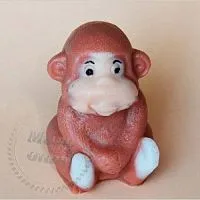

Detailed relief designs for premium castings
Silicone 3D luxury molds are flexible casting tools with sculpted, high-relief patterns such as florals, geometric panels, textured plaques and ornamental borders. They are built from food-grade or cosmetic-grade silicone that flexes enough to release intricate detail without tearing the cast piece, and the catalog spans a range of sizes, cavity counts and finish styles for makers who need consistent, gallery-quality results batch after batch.
These molds fit any pourable or moldable mass that needs to hold fine surface detail once it sets, from scented wax and soap bars to chocolate work and other decorative castings. Bakers use the same relief logic for fondant and dessert toppers, while candle and soap makers pick a mold mainly for how sharply the pattern reads once demolded. If a project calls for something curvier or rounder, the round profiles in bath bomb molds or the flat-bottom simplicity of plastic soap molds often complement a luxury relief piece used as a centerpiece design.
Motif categories and how they differ
The relief mold lineup breaks down by subject matter more than by shape. Character and figurine motifs dominate, from a Bridal Teddy with heart and rose to a playful Angry Birds 3D Lux mold, both cut with enough undercut depth to keep facial features and small props crisp after release.
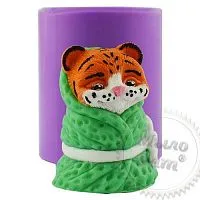
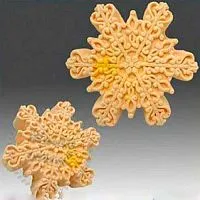
Seasonal and romantic panels form another group, seen in the Angel in roses design and the Snowflake No. 2 mold, where the pattern reads as a single flat plaque rather than a full figure. Wardrobe and textile-style reliefs add texture variety too, including the Teddy in a robe, the Teddy in a blanket and the Teddy in a hat, each showing how fabric folds and knit patterns can be carried into a rigid cast without softening the edges.
Choosing a mold and pairing it in a recipe
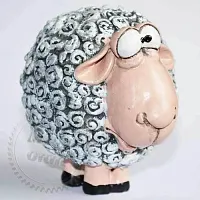
Pick a mold by depth of relief first, then by cavity count. A single deep character piece like the Sheep Dolly mold works well as a standalone centerpiece, while a group layout such as the Merry family mold suits gift sets where several matching pieces are packed together.
What goes inside the mold depends entirely on the project. The same cavity can hold scented wax for a decorative candle, tempered chocolate for a confectionery piece, a poured soap bar, or a dessert topper set in fondant or gum paste. Colorants, mica powders and fragrance oils are typically blended into the pour before it goes into the mold rather than added afterward, since a deep relief pattern holds pigment and shimmer unevenly if it is brushed on after demolding. For projects built around a rounder profile instead of a flat relief panel, the silicone forms section covers softer curved shapes, and the bridal wings mold shows how an asymmetrical accent piece pairs with a matching figurine to complete a themed set.
Sourcing and care
Molds in this range are sourced from Poland and China, and both origins are represented across the character and panel styles listed here. Between uses, the silicone should be rinsed with mild soap and warm water, dried fully before storage, and kept flat or on a shelf rather than folded, since a crushed fold line in the relief area can leave a permanent crease that shows up in every future cast. Away from direct heat and out of prolonged sunlight, a well-kept mold holds its detail across many pours.
For sheep and animal figure work specifically, the Sheep in a bag mold rounds out the set alongside Dolly, giving two coordinated options for the same seasonal theme without duplicating the exact pose.
FAQ
What makes a silicone 3D luxury mold different from a regular silicone mold
High-relief motifs are the main difference. Luxury molds carry deeper, more sculpted detail such as raised florals, layered panels or figurine texture, while standard flat molds give a shallower surface pattern. The deeper cavity still releases cleanly thanks to flexible silicone walls.
Can these molds be used for both wax and soap projects
Yes. The same relief design works for scented wax pours, soap bars and decorative chocolate or fondant pieces, since the mold reacts to the pourable mass rather than to one single craft. Cure time and pouring temperature simply need to match the material chosen.
How do you keep fine relief detail from tearing when unmolding
Let the cast piece fully set or cool before flexing the mold, and peel from the edges rather than pulling from the center of the design. Light dusting with cornstarch or a thin release spray also helps intricate florals and borders separate cleanly.
What sizes and cavity counts are typically available
The lineup ranges from single large-format plaques meant as centerpiece pieces to multi-cavity sheets for repeating smaller motifs like florals or geometric panels. Cavity count depends on the motif category, with figurine designs usually sold as single or few-cavity molds.
How should silicone relief molds be stored between uses
Store flat or gently rolled in a dust-free container, away from direct heat or sharp objects that could nick the fine relief lines. Avoid stacking heavy items on top of high-detail molds, since prolonged pressure can flatten delicate raised patterns over time.
Recommendations
Start by matching the relief depth and motif to your batch size: a single large plaque suits a one-off centerpiece design, while a multi-cavity sheet is better for repeating florals or geometric panels across a production run. Check that the cavity size fits your intended pour volume, whether that is wax, soap, chocolate or fondant work, so the finished piece releases with sharp, undamaged detail. For rounder or flat-based projects, pairing a luxury relief mold with simpler shapes from the wider mold range can round out a finished product line. Reach out by email with your motif and volume needs, and our team will help you shortlist the right molds for your next order.


