
-
 Absolutes
-
 Active Complexes
-
 Actives & Peptides
-
 Amino Acids & Proteins
-
 Food Flavors
-
 Ayurvedic Ingredients & Herbs
-
 Vitamins & Coenzymes
-
 Chocolate Making Supplies
-
 Thickeners & Gelling Agents
-
 Hydrosols & Floral Waters
-
 Hydrolyzed Proteins
-
 Fragrance Ingredients
-
 Nutraceutical Ingredients
-
 Acids, Salts, Alcohols & Alkalis
-
 Preservatives & Antioxidants
-
 Cosmetic Ingredients
-
 Colorants, Micas & Glitters
-
 Masks, Scrubs & Botanicals
-
 Oils & Butters
-
 Candle Making Supplies
-
 Melt and Pour Soap Bases
-
 Cream, Lotion & Hair Care Bases
-
 Fragrance Oils & Industrial Aromatics
-
 Cleansing Agents & Surfactants
-
 Peeling Actives & Acids
-
 Cosmetic Powders
-
 Solvents & Humectants
-
 Silicones & Conditioning Agents
-
 Bottles, Jars & Vials
-
 Silicone & Plastic Molds, Tools
-
 Botanical Extracts
-
 Cosmetic Emollients
-
 Emulsifiers
-
 Essential Oils
- Ingredients for Bath Bomb and Fizzer 218
- Soap Bouquet Crafting Materials 490
- Slime Supplies: Ingredients and Additives 560
- Shampoo ingredients 409
- DIY Perfume Supplies 986
- Deodorant Components 90
- Cold process soap ingredients 96
- Components for lipstick, balm, lip gloss 374
- Sun protection components 259
- Components for washing powder 62
- Bath products 88
- Ingredients for cleaning products 71
- Ingredients for Alginate Masks 36
- Shampoo Ingredients Wholesale 530
- DIY Perfume Supplies Wholesale 1050
- Chocolate Ingredients Wholesale 71
- Components for washing powder Wholesale 64
Components for lipstick, balm, lip gloss
 Add to cart
Read more
 Add to cart
Read more
 Add to cart
Read more
 Add to cart
Read more
 Add to cart
Read more
 Add to cart
Read more
 Add to cart
Read more
 Add to cart
Read more
 Add to cart
Read more
 Add to cart
Read more
 Add to cart
Read more
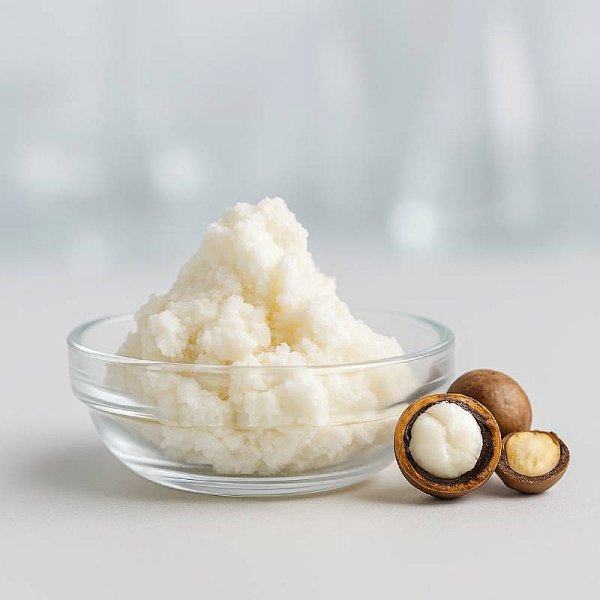

Raw materials for lip cosmetic formulas
This section gathers waxes, oils, pigments and additives used to create textures for lipsticks, balms and glosses. The ingredients allow control over density, color and slip of the formula. Hard waxes form the base of the bullet while liquid esters and plant oils provide plasticity and shine. Pigments and pearlescents deliver the visual effect, from matte coverage to transparent radiance. Different melting points of the materials help achieve the required stability during storage and application. Formulators can combine these building blocks to achieve anything from a firm stick to a sheer fluid product simply by adjusting ratios.
The same materials find use in other decorative cosmetics directions. For instance Functional Components help select functional analogues for creams and emulsions. Formulas based on these ingredients adapt easily to different packaging types and application methods, giving flexibility across multiple product lines.
Differences by role in the formula
Structuring waxes and hard butters set the melting point and stability at room temperature. Liquid components lower viscosity and improve spread. Pigments split into oil-soluble types for dense textures and water-soluble ones for clear bases such as Methylene Blue Water-Soluble Dye 100 g. Gel bases like Gloss Oil Gel 100 g create a transparent carrier for color without excess greasiness. Each additive type influences the final consistency and feel during use, allowing precise tailoring of sensory properties.
How to choose ratios for the desired texture
A firm lipstick needs a higher share of hard waxes and a lower share of oils. A soft balm uses the opposite balance. A gloss relies almost entirely on esters and gels, with minimal hard wax. Functional additives are introduced in small doses so the melting profile remains unchanged. It is important to consider compatibility of all components to prevent separation or color change over time. Testing small batches helps verify performance before scaling up production.
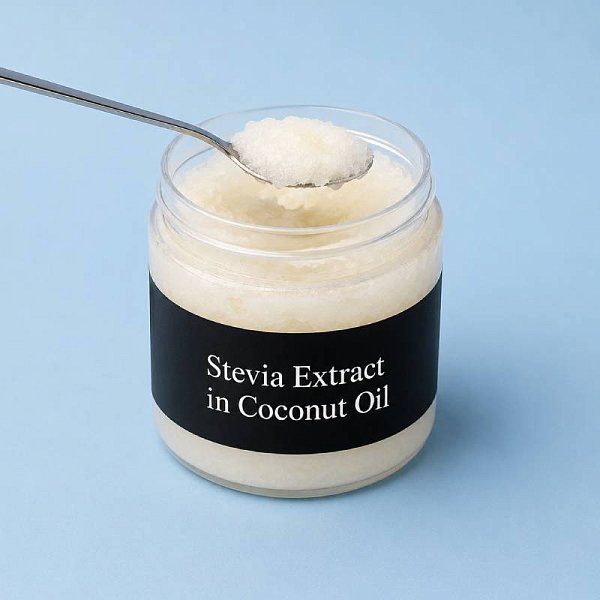
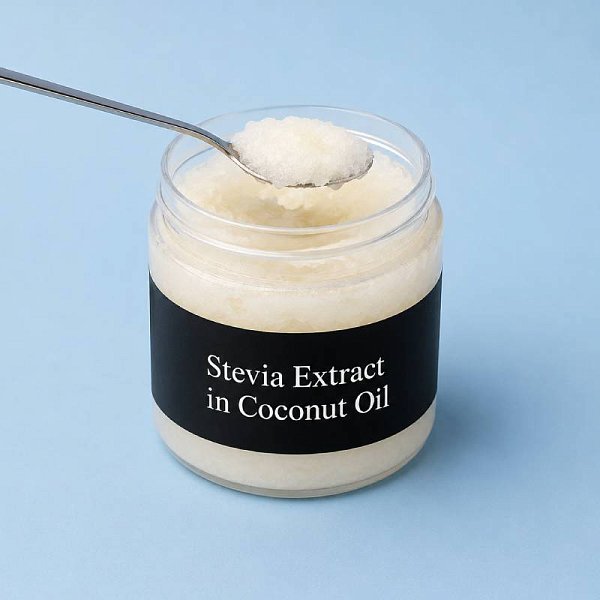
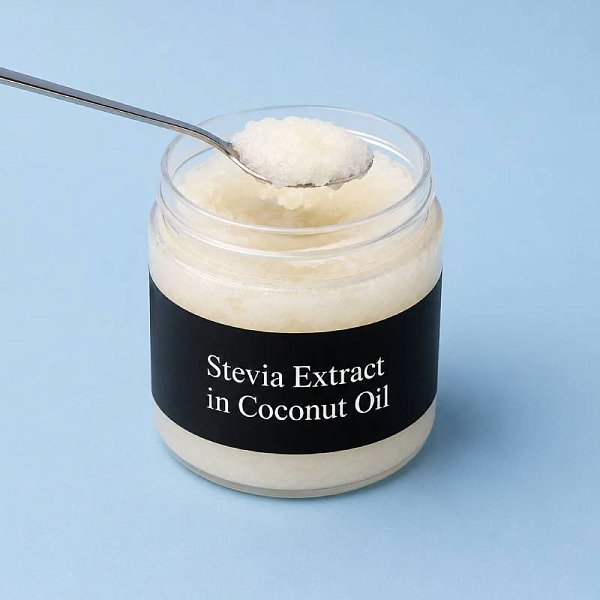
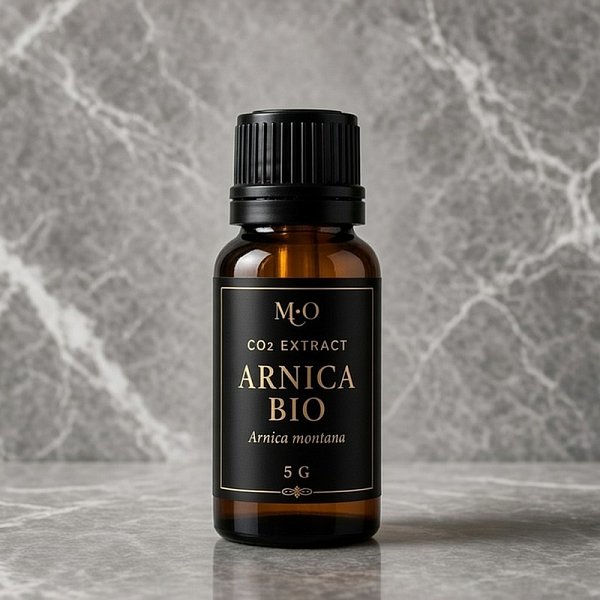
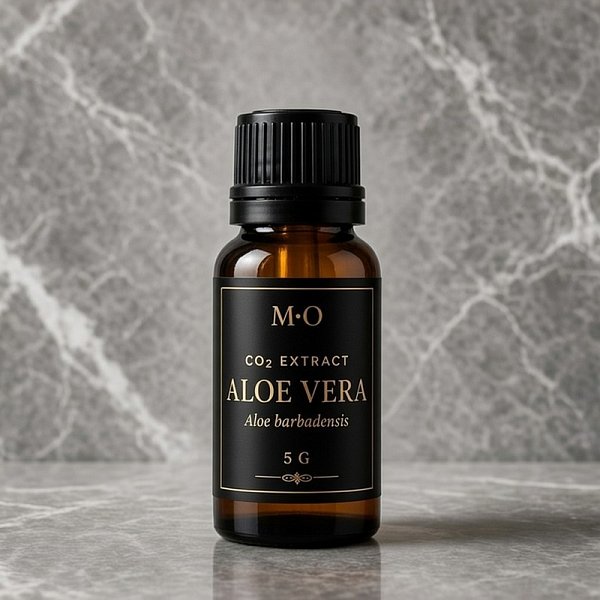
Moisturizing complexes and actives such as AQUAXYL 5 g or IDEALIFT 5 g are added for comfort on the lips. Sweeteners are selected separately, focusing on compatibility with the lipid phase, for example natural sweetener 1 kg or stevia extract in coconut oil 5 g. Matrixyl 3000, 5 ml is frequently chosen in care versions for an extra skin effect without altering texture.
Compatibility with other ranges
Pigments and oils from this group often overlap with bath formulas. Bath products employ similar pearlescents for shimmering effects in solid forms. This allows savings on purchases when developing several product lines at once and supports consistent quality across different applications.
Storage and handling features
Waxes and oils are kept in a dry place at 15-25 degrees, protected from direct light and moisture. Pigments and powders require airtight packaging to prevent clumping. Actives and sweeteners are placed in a cool area, observing the shelf life stated by the manufacturer. VitEline, 5 g shows good stability when these rules are followed, ensuring reliable results in finished formulas.
Additional guidance for bulk and lab use
Consistency between batches is essential for manufacturers. Documentation such as specifications and safety data sheets accompanies each delivery. Proper documentation supports regulatory compliance and quality control in production environments. Storage recommendations remain the same regardless of volume purchased.
FAQ
Can the same pigment be used for both lipstick and gloss?
Yes, most oil-soluble pigments suit both textures; only concentration and base need adjustment.
What happens when one wax is replaced by another?
Replacement alters melting point and bullet hardness, so oil ratios must be recalculated.
Are special conditions required for water-soluble dyes?
Water-soluble dyes are introduced into the aqueous or gel phase, avoiding direct contact with fats until emulsification.
How long does a finished formula last?
Shelf life depends on antioxidants and packaging, typically six months to one year under proper storage.



