-
 Absolutes
-
 Active Complexes
-
 Actives & Peptides
-
 Amino Acids & Proteins
-
 Food Flavors
-
 Ayurvedic Ingredients & Herbs
-
 Vitamins & Coenzymes
-
 Chocolate Making Supplies
-
 Thickeners & Gelling Agents
-
 Hydrosols & Floral Waters
-
 Hydrolyzed Proteins
-
 Fragrance Ingredients
-
 Nutraceutical Ingredients
-
 Acids, Salts, Alcohols & Alkalis
-
 Preservatives & Antioxidants
-
 Cosmetic Ingredients
-
 Colorants, Micas & Glitters
-
 Masks, Scrubs & Botanicals
-
 Oils & Butters
-
 Candle Making Supplies
-
 Melt and Pour Soap Bases
-
 Cream, Lotion & Hair Care Bases
-
 Fragrance Oils & Industrial Aromatics
-
 Cleansing Agents & Surfactants
-
 Peeling Actives & Acids
-
 Cosmetic Powders
-
 Solvents & Humectants
-
 Silicones & Conditioning Agents
-
 Bottles, Jars & Vials
-
 Silicone & Plastic Molds, Tools
-
 Botanical Extracts
-
 Cosmetic Emollients
-
 Emulsifiers
-
 Essential Oils
- Gel Food Coloring Wholesale 39
- Cosmetic Pigments Wholesale 17
- Lipstick Pigments Wholesale 40
- Chocolate Colorants Wholesale 10
- Liquid Migrating Dyes Wholesale 24
- Oil Soluble Liquid Dyes Wholesale 17
- Liquid Ultra Pigments Wholesale 11
- Food Coloring Powders Wholesale 20
- Phosphors and Luminescent Powders Wholesale 21
- Natural colorants Wholesale 39
- Liquid Pearl Pigmen Wholesale 13
- Pearlescent Pigments Wholesale 222
- Liquid Pigments Wholesale 37
- Wholesale synthetic dyes 9
- Blended colorants Wholesale 33
- Oil Soluble Dye Powders Wholesale 11
- Pigment Powders Wholesale 16
- Fluorescent Neon Pigments Wholesale 55


Pearlescent Pigments Wholesale
 Add to cart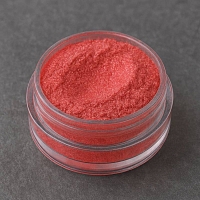

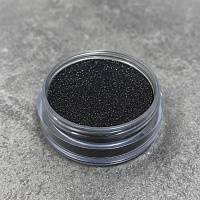
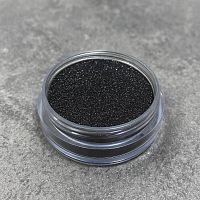
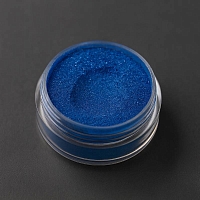
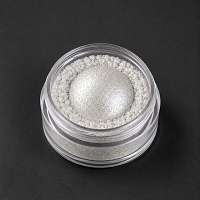
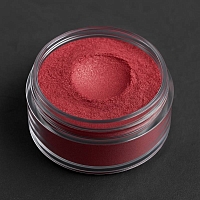
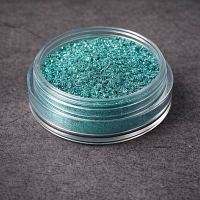
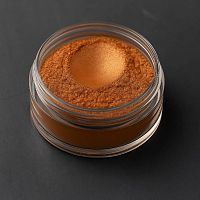
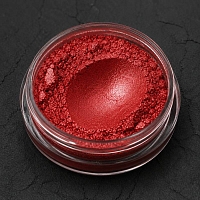
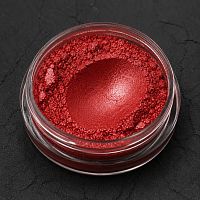
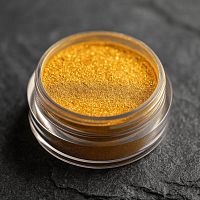
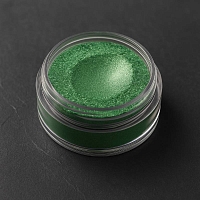
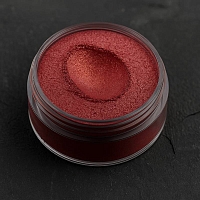
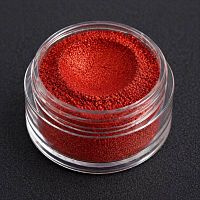
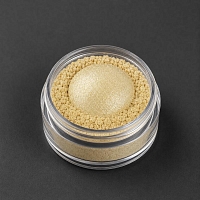
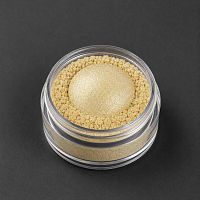
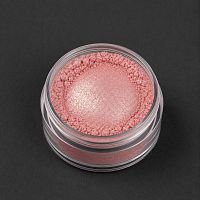
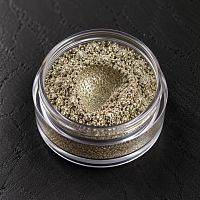
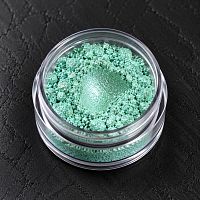
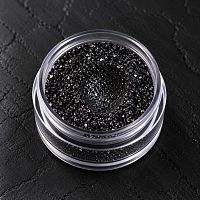
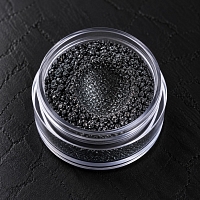

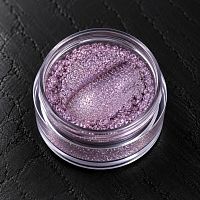
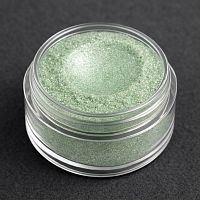
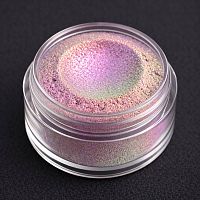

Mica based shimmer for creams soaps alternatives and color cosmetics
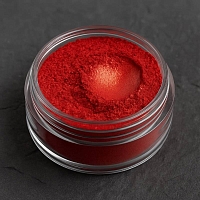
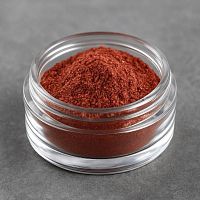
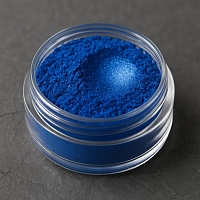
Pearlescent pigments are mica based powders coated with layers that reflect light and create a soft shimmering or metallic sheen. This section offers a range of shades and particle sizes for formulators who need consistent color and light play across different textures and finished products.
These pigments are used across a wide range of formulations: body lotions, lip products, eyeshadow and highlighter bases, nail polish, hair styling gels and decorative resin work all rely on the same underlying optical effect, just at different concentrations and particle sizes. Fine particle grades tend to blend smoothly into liquid emulsions, while coarser grades give a more visible glitter like sparkle in solid or semi solid bases.
Because the same pigment can shift dramatically depending on load rate and base transparency, many formulators also pair mica shades with other coloring tools such as liquid pigments for flat opaque color or liquid migrating dyes for a marbled swirling effect within the same batch.
Shade ranges and particle grades
Within this category, shades are typically grouped by hue family and by particle size. A Metallic Powder Blue 1 kg or a Metallic Powder Pigment Red 1 kg will behave differently depending on how fine the mica flakes are milled, since smaller particles scatter light more evenly and larger flakes produce distinct glinting points.
Deeper and more saturated options such as Metallic Powder Copper 1 kg or Wine Red Pearlescent Pigment 1 kg read almost opaque at higher concentrations but turn translucent and sheer when diluted, which is why load rate matters as much as the base pigment choice. Cooler and earthier tones like Green Pearlescent Pigment 1 kg or Metallic Powder Pigment Olive, 1 kg tend to work well as undertones layered beneath brighter shimmer for a more dimensional finish, while Metallic Powder Pigment Black 1 kg is often used sparingly to deepen contrast or create a smoky, graphite like shimmer rather than as a standalone color.
Choosing a shade and building a formula around it
Selection usually starts with the finished texture in mind. Clear or semi transparent bases let the pearlescent effect show through fully, while opaque creams and dense balms need a higher load rate to achieve the same visible shimmer. Particle size is the second variable: fine grades disperse into liquids without noticeable grit, while coarser grades are chosen specifically for a visible sparkle within a solid or semi solid matrix.
These pigments are formulated to pair with a broad range of base materials rather than one fixed recipe, and many producers browse the full Pigment Powders Wholesale range alongside this one to combine matte dry pigments with shimmering mica shades in a single batch for layered color effects.
Origin and handling
Stock in this section is sourced from suppliers in China and England, giving formulators access to both cost efficient bulk shades and finer specialty grades. Keeping these powders in sealed, dry containers away from direct moisture helps preserve their light reflecting properties and prevents clumping over time, which matters most for the finer particle grades used in liquid emulsions.
FAQ
What is the difference between mica pigments and liquid pigments for cosmetics
Mica pigments give a shimmering, light reflecting finish because of their layered particle structure, while liquid pigments produce flat, opaque color with no sparkle. Formulators often combine both in the same batch to control shine and coverage separately within lotions, soap alternatives, or decorative resin work.
How much mica powder should be added to a cosmetic base
Load rates vary by particle size and desired intensity, typically ranging from a light dusting for subtle sheen to several percent for a bold metallic look. It is best to start with a small test batch in your specific base, since transparency and texture strongly affect how the shimmer appears once cured or set.
Can mica pigments be used in both liquid and solid formulations
Yes, the same shade family can work across body lotions, gels, solid bases, and nail polish, though particle size matters. Fine grades blend smoothly into liquid emulsions, while coarser grades create a more visible glitter like sparkle in thicker or solid textures.
How should mica pigments be stored to keep their color consistent
Store mica pigments in tightly sealed containers away from direct sunlight and moisture, since humidity can cause clumping and light exposure may gradually dull the shimmer effect. Keeping them at stable room temperature helps preserve consistent shade and particle performance batch after batch.
Recommendations
When choosing a mica shade, match the particle size to your base: finer grades suit liquid emulsions, coarser grades suit solid or semi solid textures where visible sparkle is wanted. Request a small sample first to check how the pigment behaves in your specific formulation before ordering a larger quantity. Our team is reachable by email to help confirm shade availability and discuss quantities for your production needs.