-
 Absolutes
-
 Active Complexes
-
 Actives and Peptides for Cosmetics
-
 Amino Acids
-
 Food Flavorings
-
 Ayurveda
-
 Vitamins
-
 Gelling Agents and Thickeners
-
 Hydrosols and Floral Waters
-
 Hydrolyzed Proteins
-
 Fragrant and aromatic substances
-
 Acids, Salts, Alcohols, and Alkalis
-
 Preservatives and Antioxidants
-
 Cosmetic Raw Materials
-
 Dyes, Pearlescents, and Glitters
-
 Face Masks, Scrubs, and Dried Flowers
-
 Oils, batters, macerates, oil mixtures
-
 Candle Supplies
-
 Melt and Pour Soap Bases
-
 Base for cosmetics, cream, serum, shampoo
-
 Fragrance Oils
-
 Surfactants
-
 Peelings for Skin
-
 Herbal Powders and Plant
-
 Silicones and Conditioning Surfactants for Hair
-
 Raw materials for dietary supplements
-
 Packaging for Cosmetics and Perfumes
-
 Molds, Packaging, Tools
-
 Organic Extracts
-
 Emollients for Cosmetics
-
 Emulsifiers
-
 Essential Oils
- Wholesale Absolutes 91
- Active Complexes for Cosmetics Wholesale 373
- Wholesale Amino Acids 79
- Antioxidants Wholesale 247
- Ayurvedic Powders Wholesale 274
- Biocides Wholesale 14
- Thickeners and Gelling Agents in Bulk 93
- Bulk Hydrosols for Cosmetics 10
- Hydrocolloids in Bulk 8
- Hydrolyzed Proteins Wholesale 86
- Fragrant Waters Wholesale for Cosmetics 27
- Fragrant and Aromatic Substances in Bulk 154
- Preservatives and Antioxidants Wholesale 137
- Corneotherapy Wholesale 11
- Cosmetic Clay Wholesale 13
- Neutralizers/pH Correctors Wholesale 18
- Surfactants Wholesale 122
- Wholesale Peelings 71
- Powders and Flours Wholesale 445
- Silicones and Conditioning Surfactants for Hair Wholesale 77
- Resins and Resinoids wholesale 17
- UV and SPF Filters Wholesale 55
- Emollients Wholesale 104
- Emulsifiers Wholesale 340
- Enzymes, Filtrates, and Lysates in Bulk 29


Surfactants Wholesale
 Add to cart
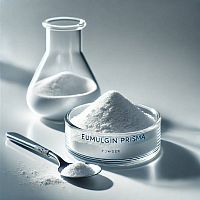


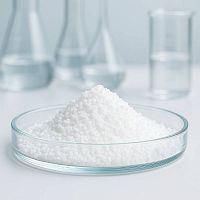

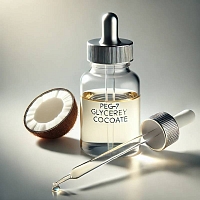
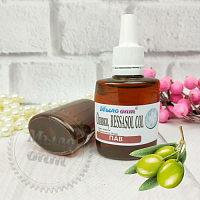


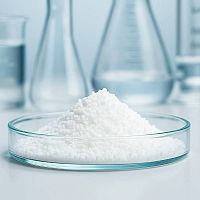
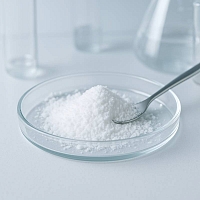


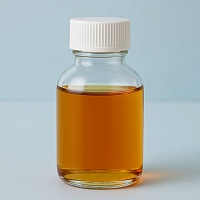
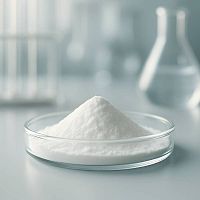

ПАВ (активно – поверхностные вещества) оптом в интернет-магазине Мыло Опт
Добро пожаловать в раздел "ПАВ (активно – поверхностные вещества)" интернет-магазина Мыло Опт! Здесь вы найдете широкий ассортимент качественных ПАВ, необходимых для создания разнообразных косметических и бытовых средств. Наши ПАВ подходят для различных целей, будь то мыловарение, производство шампуней, гелей для душа, моющих средств и других продуктов.
Что такое ПАВ?
Активно-поверхностные вещества (ПАВ) – это химические соединения, которые снижают поверхностное натяжение между двумя средами, такими как вода и масло. Они играют ключевую роль в моющих средствах, помогая эмульгировать и удалять жиры и грязь. ПАВ делятся на несколько категорий: анионные, катионные, неионогенные и амфотерные, каждая из которых имеет свои уникальные свойства и области применения.
Наш ассортимент ПАВ
В интернет-магазине Мыло Опт представлен широкий выбор ПАВ, каждый из которых тщательно отобран для обеспечения высокого качества и эффективности. Наши ПАВ включают:
-
Анионные ПАВ: Эти ПАВ обладают отличными моющими и пенообразующими свойствами, идеально подходят для шампуней, гелей для душа и моющих средств. Примеры включают лаурилсульфат натрия (SLS) и лауретсульфат натрия (SLES).
-
Катионные ПАВ: Известны своими кондиционирующими свойствами, часто используются в средствах для ухода за волосами, таких как кондиционеры и бальзамы. Один из популярных катионных ПАВ – это цетримониум хлорид.
-
Неионогенные ПАВ: Эти ПАВ не ионизируются в водных растворах и обладают мягким воздействием на кожу, что делает их идеальными для использования в деликатных косметических продуктах. Примеры включают полисорбат 20 и кокоглюкозид.
-
Амфотерные ПАВ: Обладают одновременно анионными и катионными свойствами, что делает их универсальными и подходящими для использования в различных продуктах, таких как гели для душа и детские шампуни. Один из распространенных амфотерных ПАВ – кокамидопропил бетаин.
Преимущества покупки ПАВ у нас
- Высокое качество: Все наши ПАВ проходят строгий контроль качества, что гарантирует их безопасность и эффективность.
- Широкий ассортимент: У нас вы найдете ПАВ для любых нужд, от мыловарения до производства сложных косметических средств.
- Экспертные консультации: Наша команда экспертов всегда готова помочь вам выбрать подходящие ПАВ для ваших продуктов, предоставив всю необходимую информацию и советы.
- Конкурентные цены: Мы предлагаем выгодные условия для оптовых покупателей, обеспечивая доступные цены без ущерба для качества.
- Быстрая доставка: Организуем доставку по всей Украине и всему миру, чтобы вы могли получить свои заказы в кратчайшие сроки.
Как выбрать подходящие ПАВ?
Выбор подходящих ПАВ зависит от многих факторов, включая тип продукта, который вы хотите создать, и его предполагаемые свойства. Например, для шампуней и гелей для душа лучше всего подходят анионные ПАВ из-за их отличных моющих и пенообразующих свойств. Для кондиционеров и бальзамов для волос катионные ПАВ будут лучшим выбором благодаря их кондиционирующим свойствам.
О нас
Наша команда состоит из экспертов в области химии и косметологии, что гарантирует высокий уровень профессионализма и доверия к предоставляемой информации. Мы стремимся создать полезный и заслуживающий доверия контент, ориентированный на людей, чтобы помочь вам сделать осознанный выбор и приобрести лучшие ингредиенты для ваших нужд.
Заключение
Интернет-магазин Мыло Опт – ваш надежный партнер в области покупки ПАВ и других ингредиентов для косметики и бытовых средств. Мы предлагаем высококачественные продукты, экспертные консультации и быструю доставку по всему миру. Заказывайте ПАВ оптом у нас и убедитесь в качестве нашей продукции и уровне сервиса!
Заходите в раздел "ПАВ (активно – поверхностные вещества)" на нашем сайте и находите всё необходимое для создания качественных и эффективных продуктов.