Why Sodium Cocoyl Isethionate Became the Standard for Gentle Cleansing Bars
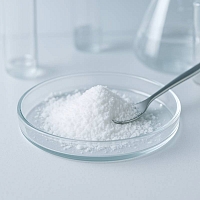
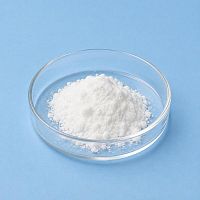
This mild surfactant belongs to the wider category of Surfactants, standing out for its exceptionally low irritation potential on both skin and hair. Derived from coconut oil, it has become the backbone ingredient for syndet bars, solid shampoo bars, facial cleansing bars and gentle wash products used in sensitive skin and baby care lines. Unlike traditional soap based on saponified oils, formulas built on this surfactant do not strip the skin's natural lipid barrier and leave no tight, dry after-feel once rinsed off.
The largest global demand for this raw material comes from the syndet bar industry, solid shampoo manufacturing and facial cleansing bar production, where it serves as the primary cleansing agent replacing harsher soap based systems. Beyond that, formulators use it in liquid facial cleansers, body washes, shampoos for color-treated hair, and occasionally in household cleaning blends where a mild but effective degreasing action is required without harming skin on contact. It has no relevant application in food or pharmaceutical manufacturing, its real value lies firmly within skincare, personal care and, to a lesser extent, home soap crafting using syndet bases.
One of its standout properties is the ability to whip into a dense, creamy lather even in hard water conditions, a trait many anionic surfactants struggle to match. It blends well with milder co-surfactants such as Coco Glucoside, boosting foam volume while keeping the overall formula gentle on skin. For higher-performance industrial blends it can be paired with a stronger anionic surfactant like Sulfanol, when increased cleansing power is needed while retaining some of the base formula's softness. Good synergy is also achieved with Sodium Sarcosinate, which further stabilizes the foam structure and mellows the overall sensory profile.
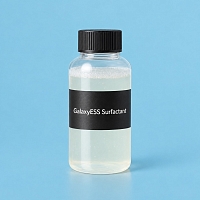
In solid bar formulations, this ingredient is typically dosed between 40 and 80 percent of the total base weight, depending on the target hardness and foam density. It is introduced during the melting stage of the base, at temperatures between 60 and 70 degrees Celsius, then blended with oils, waxes and active additives before being poured into molds. In liquid formulations the dosage is much lower, usually between 3 and 15 percent, added after the water phase has cooled to avoid structural breakdown under heat. The raw material should be stored in a dry area away from direct sunlight and moisture, in a tightly sealed container at room temperature, avoiding sharp temperature fluctuations.
The 1 kg pack size is well suited for small cosmetic workshops, studio scale production and small-batch runs, ideal for testing a formula before scaling up or producing a limited product line. This quantity is enough for several dozen batches of solid cleansing bars or a trial run of liquid facial wash products.
Gentle Facial Cleansing Bar with Oat Extract
Sodium Cocoyl Isethionate 350 g
Cocoa butter 40 g
Sweet almond oil 45 g
Glycerin 20 g
Distilled water 35 g
Oat extract 10 g
Melt the base gently over a water bath at around 65 degrees Celsius, then stir in the cocoa butter and almond oil until fully combined. Remove from heat and add the glycerin and distilled water, mixing continuously until the mass becomes smooth and uniform. Once the temperature drops below 45 degrees, blend in the oat extract, then pour the mixture into silicone molds and allow it to set at room temperature for about 24 hours before unmolding.