-
 Absolutes
-
 Active Complexes
-
 Actives & Peptides
-
 Amino Acids & Proteins
-
 Food Flavors
-
 Ayurvedic Ingredients & Herbs
-
 Vitamins & Coenzymes
-
 Chocolate Making Supplies
-
 Thickeners & Gelling Agents
-
 Hydrosols & Floral Waters
-
 Hydrolyzed Proteins
-
 Fragrance Ingredients
-
 Nutraceutical Ingredients
-
 Acids, Salts, Alcohols & Alkalis
-
 Preservatives & Antioxidants
-
 Cosmetic Ingredients
-
 Colorants, Micas & Glitters
-
 Masks, Scrubs & Botanicals
-
 Oils & Butters
-
 Candle Making Supplies
-
 Melt and Pour Soap Bases
-
 Cream, Lotion & Hair Care Bases
-
 Fragrance Oils & Industrial Aromatics
-
 Cleansing Agents & Surfactants
-
 Peeling Actives & Acids
-
 Cosmetic Powders
-
 Solvents & Humectants
-
 Silicones & Conditioning Agents
-
 Bottles, Jars & Vials
-
 Silicone & Plastic Molds, Tools
-
 Botanical Extracts
-
 Cosmetic Emollients
-
 Emulsifiers
-
 Essential Oils
- Alginate Face Masks 115
- Bath Beads and Pearls 75
- Waxes for cosmetics 69
- Cosmetic Clay 45
- Face and Body Masks 89
- Scrubs for Cosmetic Production 113
- Bath Salts 48
- Natural dried flowers 37
- Alginate Masks Wholesale 176
- Clays for Cosmetics Wholesale 35
- Additives for Cosmetics Wholesale 327
- Face and Body Masks Wholesale 175
- Scrub Ingredients Wholesale 121
- Bath Salt Wholesale 57
- Cosmetic Clays Wholesale 4


Cosmetic Clay
 Add to cart
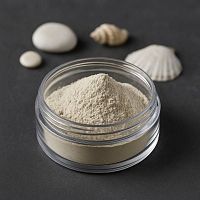
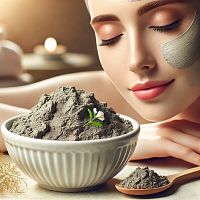
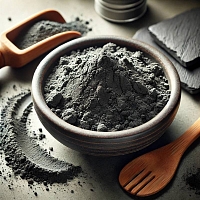
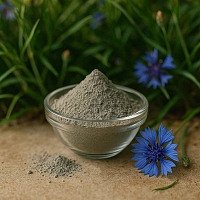
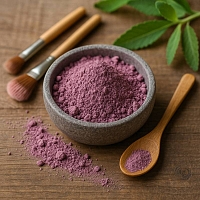
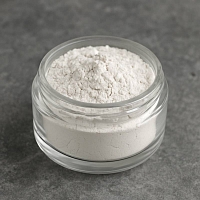
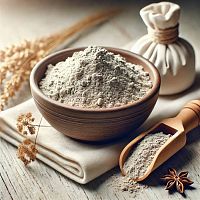
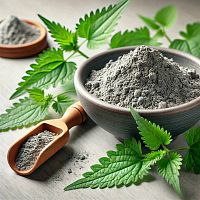
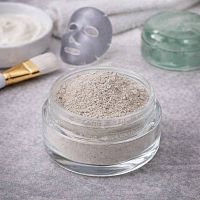
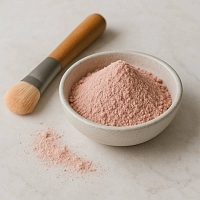
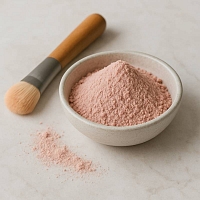
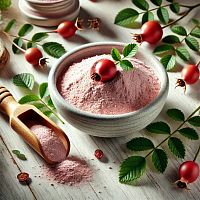
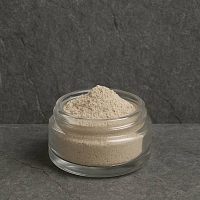
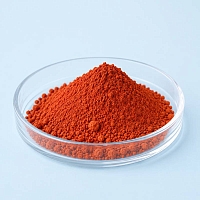
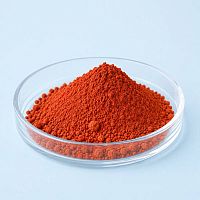
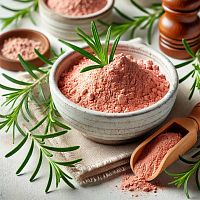
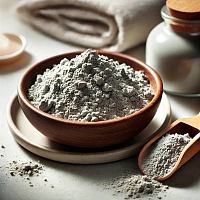
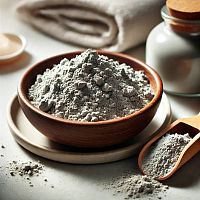
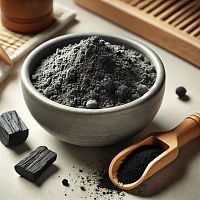
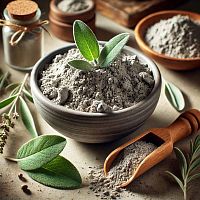
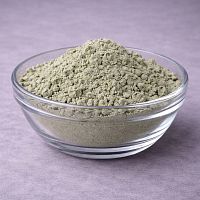
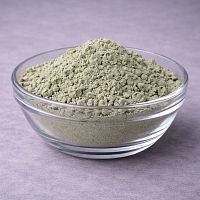
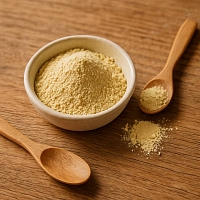
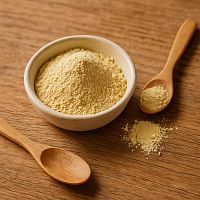
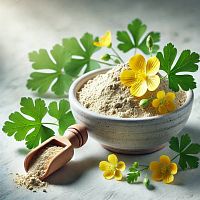
Mineral powders for masks scrubs and skin care blends
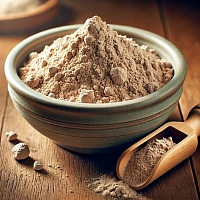
This section offers mineral clay powders used as a base or active component in cosmetic formulations. Each type differs in mineral composition, color, and absorption capacity, giving formulators a range of textures and finishing effects for finished products.
Clay powders are commonly blended into face and body masks, exfoliating scrubs, cleansing bars, and powder based cosmetics where a fine, evenly dispersed mineral texture is required. They work well combined with dried botanicals, plant oils, and other additives for cosmetics to adjust consistency and sensory feel. Some formulators also pair clay with natural dried flowers for visual texture in finished mask products.
Because particle size and mineral content vary between clay types, testing a small batch before scaling production helps confirm the right texture and drying time for a specific formula.
Types of clay and how they differ
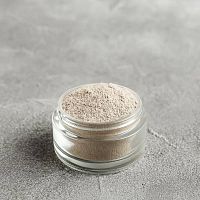
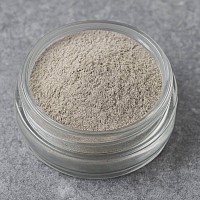
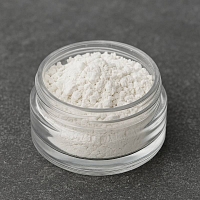
White Clay Kaolin 50 g is the mildest and most versatile option, with a gentle absorbency that suits sensitive skin formulations and light powder blends. Ghassoul Clay 30 g, mined in Morocco, has a distinctive slippery texture when hydrated, which formulators use to build smoother, more spreadable mask consistencies.
Red Clay 20 g and Yellow Clay 30 g carry higher iron oxide content, which gives them a stronger absorbent action and a warmer finished color in the blend. Green Clay 30 g tends to be more mineral rich and is often chosen where a firmer, more drying texture is wanted in the final product. Cambrian Blue Clay 20 g and Blue Clay 20 g differ mainly in mineral source and fineness, both offering a smooth, low grit powder that blends easily into liquid and paste bases.
Choosing a clay and pairing it in a formula
Selection usually comes down to three factors: how much oil or moisture the finished product needs to absorb, the target color of the finished texture, and how fine the powder should feel on application. A formula built for a lightweight, quick rinse mask calls for a milder, less absorbent powder, while a firmer scrub base or a detox style blend benefits from a clay with stronger drawing action.
These powders are formulated alongside plant oils, humectants, and other waxes for cosmetics to adjust the final texture, hold, and spreadability of a mask or scrub base. Combining two clay types in one batch is also common practice, letting a formulator balance absorbency against a softer skin feel. For powder cosmetics and pressed products, particle fineness matters as much as mineral content, since coarser powders can affect how a pressed formula holds together.
Origin and storage notes
The clays in this range are sourced from several regions, including France, Morocco, Ukraine, Israel, the United States, and India, and mineral composition can vary slightly between origins even within the same clay type. All powders should be kept sealed, dry, and away from direct moisture, since clay readily absorbs ambient humidity and can clump or lose its fine texture during storage. A cool, dry storage area extends shelf stability and keeps the powder consistent for repeated production batches.
FAQ
What is the difference between kaolin and other cosmetic clays
Kaolin is the mildest clay, with lower mineral density and gentle absorbency suited to sensitive or dry skin formulas. Other clays, such as bentonite or rhassoul, carry stronger mineral charge and higher absorbency, making them better suited to oily skin blends or deeper cleansing masks.
How much clay powder should be used in a mask formula
Typical mask formulas use clay at 10 to 30 percent of total dry weight, depending on desired thickness and absorbency. Starting with a smaller batch lets you judge texture, drying speed, and how the powder binds with liquid or oil phases before scaling to full production volume.
Can clay powders be combined with other dry ingredients
Yes, clay blends easily with dried botanicals, plant powders, and other dry additives to build layered texture and color in finished products. Combining clay types is also common, allowing formulators to balance absorbency, slip, and finish within a single mask or scrub recipe.
How should mineral clay powder be stored
Clay powder should be kept sealed in a dry, cool location away from direct moisture, since it readily absorbs humidity from the air and can clump over time. Proper storage preserves its fine texture and consistent performance across production batches.
Recommendations
Choosing the right clay comes down to matching mineral type and particle fineness to your formula, a milder kaolin for sensitive skin lines, a stronger mineral clay for deeper cleansing blends. Always test a small batch first to confirm texture, color, and drying behavior before committing to a full production run. For batch details or quantity questions, our team is reachable by email to help plan your order.



