Why Green Clay Remains a Core Raw Material for Skincare Manufacturers
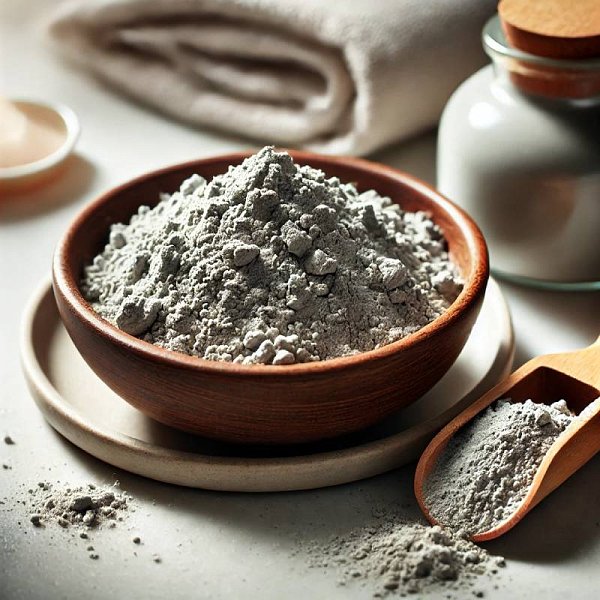
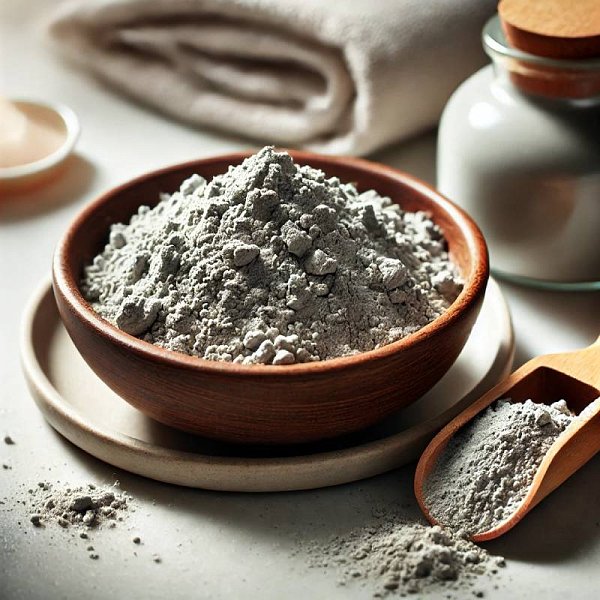
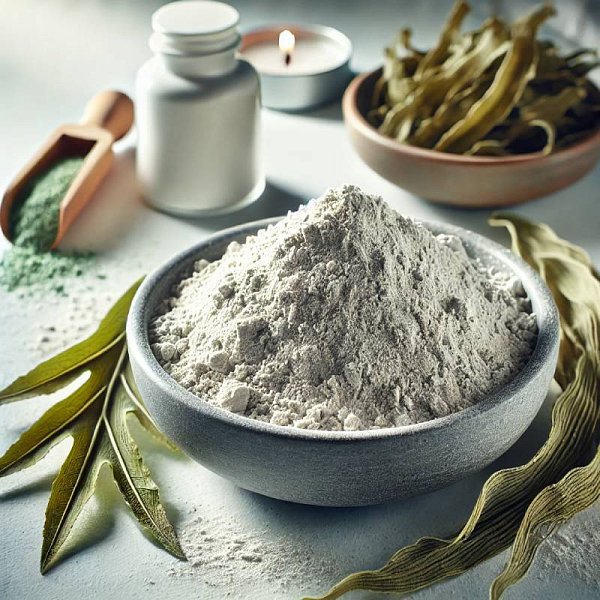
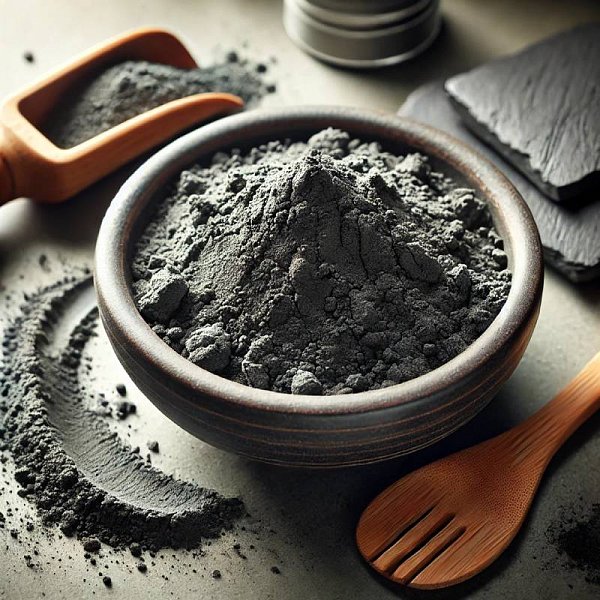
Green clay is one of the mineral absorbents that make up the Cosmetic Clay category, and it remains one of the most requested raw materials across skincare production worldwide. The 1 kg pack size suits small and mid-scale manufacturing, private label brands, and salons or spa facilities that use this material on a regular basis and in noticeable volumes.
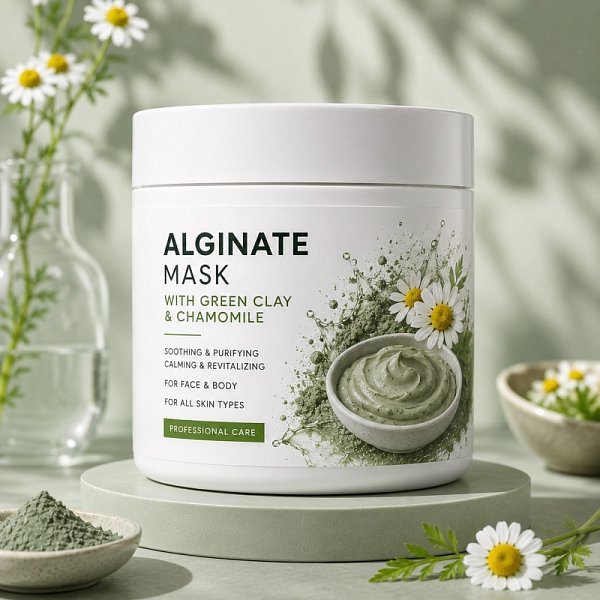
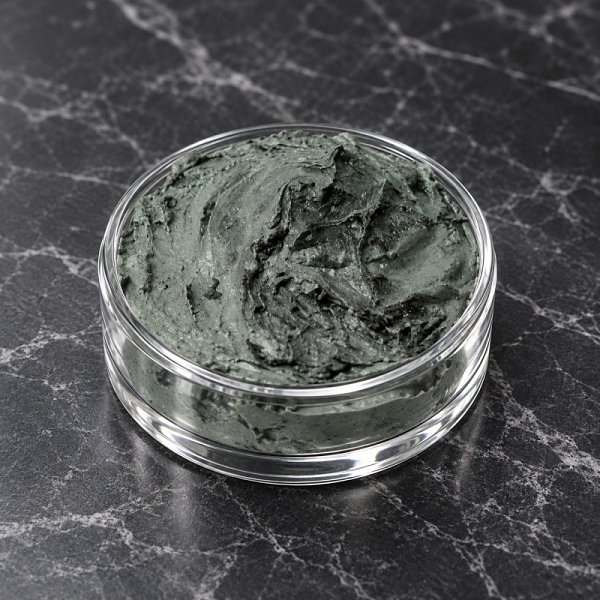
The primary demand for this mineral comes from the cosmetic and personal care industry, where it is used to produce purifying and mattifying facial masks, powder blends for water dilution, creamy textures aimed at oily and problem skin, and body wraps used in thermal treatments. Thanks to its strong oil-absorbing capacity, green clay draws out excess sebum, gently unclogs pores, and works well in formulations designed for oily or combination skin on both the face and body. Beyond facial and body care, the mineral is also common in spa treatments for mud and mineral wraps, in foot care products, and occasionally in bath additives where its mineralizing properties are valued.
In formulations, green clay is frequently blended with other clay types to build multifunctional masks. It pairs well with Pink Clay and Rosehip to soften the drying effect, with Blue Clay to enhance the detoxifying action, and with Purple Clay to create a gentler blend suitable for sensitive skin types. Such combinations are widely used in the manufacturing of multi-component facial and body masks at both semi-industrial and industrial scale.
It is recommended to add the clay at the final stage of formulation, once the base mixture has cooled below 40 degrees Celsius, in order to preserve the mineral particle structure and avoid clumping when exposed to hot water. Typical dosage in finished powder masks ranges from 20 to 60 percent of the total blend weight, while in cream or emulsion formulas it usually stays between 3 and 10 percent. Water, hydrosols, or herbal infusions are commonly used for dilution, in proportions that give a smooth, lump-free paste consistency.
The raw material should be stored in a dry, tightly sealed container, away from moisture and direct sunlight, which prevents clumping and preserves its absorbing properties throughout the shelf life. This is particularly important with larger pack sizes, since the container is often opened repeatedly during a production cycle.
Purifying Facial Mask for Oily Skin
Green clay 35 g
Warm water 50 ml
Jojoba oil 4 ml
Tea tree essential oil 2 drops
In
a ceramic or glass bowl, combine the clay with warm water and stir until a
smooth, lump-free paste forms, then let it rest for five minutes so the
particles fully hydrate. Add jojoba oil and the essential oil, mixing gently
with a wooden or silicone spatula. Apply a thin layer to cleansed facial skin,
avoiding the eye area, leave on for ten to fifteen minutes until it begins to
tighten slightly, then rinse off with warm water.