-
 Absolutes
-
 Active Complexes
-
 Actives & Peptides
-
 Amino Acids & Proteins
-
 Food Flavors
-
 Ayurvedic Ingredients & Herbs
-
 Vitamins & Coenzymes
-
 Chocolate Making Supplies
-
 Thickeners & Gelling Agents
-
 Hydrosols & Floral Waters
-
 Hydrolyzed Proteins
-
 Fragrance Ingredients
-
 Nutraceutical Ingredients
-
 Acids, Salts, Alcohols & Alkalis
-
 Preservatives & Antioxidants
-
 Cosmetic Ingredients
-
 Colorants, Micas & Glitters
-
 Masks, Scrubs & Botanicals
-
 Oils & Butters
-
 Candle Making Supplies
-
 Melt and Pour Soap Bases
-
 Cream, Lotion & Hair Care Bases
-
 Fragrance Oils & Industrial Aromatics
-
 Cleansing Agents & Surfactants
-
 Peeling Actives & Acids
-
 Cosmetic Powders
-
 Solvents & Humectants
-
 Silicones & Conditioning Agents
-
 Bottles, Jars & Vials
-
 Silicone & Plastic Molds, Tools
-
 Botanical Extracts
-
 Cosmetic Emollients
-
 Emulsifiers
-
 Essential Oils
- Absolutes Wholesale 87
- Active Complexes for Cosmetics Wholesale 390
- Amino Acids & Proteins Wholesale 90
- Antioxidants Wholesale 293
- Ayurvedic Powders Wholesale 273
- Biocides Wholesale 16
- Thickeners and Gelling Agents in Bulk 112
- Bulk Hydrosols for Cosmetics 10
- Hydrocolloids in Bulk 5
- Hydrolyzed Proteins Wholesale 106
- Aromatic Fragrant Waters Wholesale 27
- Fragrance Ingredients Bulk 168
- Preservatives & Antioxidants Wholesale 157
- Corneotherapy Wholesale 10
- Cosmetic Clay Wholesale 14
- Neutralizers/pH Correctors Wholesale 17
- Surfactants Wholesale 144
- Cosmetic Peelings Wholesale 77
- Cosmetic Powders Wholesale 403
- Silicones and Conditioning Surfactants for Hair Wholesale 116
- Resins and Resinoids Wholesale 17
- UV and SPF Filters Wholesale 84
- Cosmetic Emollients Wholesale 132
- Emulsifiers Wholesale 328
- Enzymes, Filtrates and Lysates in Bulk 35
Bulk Hydrosols for Cosmetics
 Add to cart


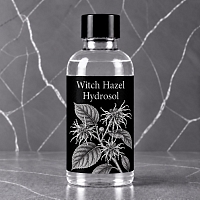
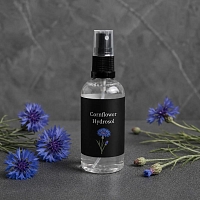
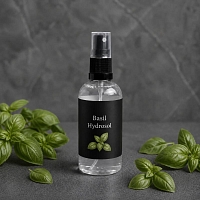
Floral waters as a base for gentle formulations
This section covers hydrosols, the aromatic water left over from steam distillation of plants, sold in bulk for use as a formulation ingredient rather than a finished product. Each hydrosol carries trace water soluble plant compounds and a light natural scent, making it useful as a base liquid, a fragrance layer or a functional additive across many types of cosmetic recipes.
Formulators use hydrosols to replace part or all of the water phase in emulsions, to build alcohol free facial mists and toners, or to add a light botanical note to a rinse off product such as a conditioner or a wash. Because they are gentler than essential oils, hydrosols also pair well with actives and film formers where a strong scent load would be unwanted, and they work as a carrier for water soluble extracts blended in the same batch.
Many formulas that rely on hydrosols also call for a stabilizing system, so it helps to pair a hydrosol with a suitable option from Preservatives and Antioxidants Wholesale, since any water based liquid needs protection against microbial growth once it leaves a sealed container.
Botanical variations and how they differ
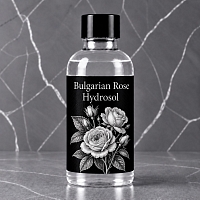
Not every hydrosol behaves the same way in a formula, and the differences go beyond scent. A Bulgarian Lavender Hydrosol or a Bulgarian Rose Hydrosol tends to sit gently on the skin and is often chosen for facial mists and lightweight toners where a soft floral note is wanted without heaviness.
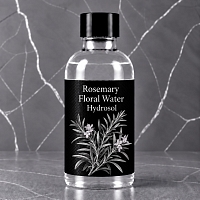
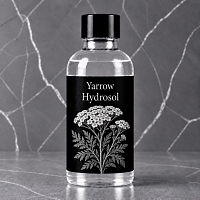
Herbal types read differently on the skin and in the nose. Yarrow Hydrosol and Basil hydrosol carry a greener, herbaceous character that suits clarifying formulas or blends built around other plant extracts, while a Rosemary Floral Water brings a sharper, more aromatic edge often used in scalp and hair care liquids. Woody hydrosols occupy their own category: Sandalwood Bark Hydrosol, also available as a 50 ml pack, offers a warmer base note that formulators layer under lighter florals for depth.
Choosing a hydrosol and pairing it in a formula
The first criterion is function, not just scent. Ask whether the hydrosol needs to carry the whole water phase of an emulsion, act as a light mist on its own, or simply add a background note to a rinse off wash. A herbaceous hydrosol suits a clarifying toner, while a woody or floral one often works better in leave on creams and serums.
Because hydrosols are water based, they combine naturally with other water soluble ingredients in the same phase, including humectants and extracts, and they need a compatible emulsifying system when used in a cream or lotion base, which is why many formulators pair a hydrosol with a suitable pick from Emulsifiers Wholesale. This pairing matters across a wide range of finished formats, from body mists to conditioner rinses, not only in one narrow product type.
Origin, packaging and storage
Hydrosols in this section come from batches sourced in Ukraine and England, reflecting differences in the source plant material and distillation method rather than a single fixed origin. Pack sizes vary from small trial volumes up to one liter bottles for larger production runs, which lets a buyer test a scent profile before committing to a bulk batch.
Because these are water based liquids with no added alcohol, they are best kept in a cool, dark place away from direct heat and used within a reasonable window once opened, since any water phase ingredient is naturally vulnerable to microbial growth over time.
FAQ
What is the difference between a hydrosol and an essential oil
A hydrosol is the water fraction collected during steam distillation, containing only trace amounts of water soluble plant compounds and a mild scent. An essential oil is the concentrated lipid soluble fraction. Hydrosols are far gentler, safe to use undiluted, and easier to blend into water based formulas.
Can hydrosols replace water in a cream or lotion recipe
Yes, hydrosols can replace part or all of the water phase in an emulsion, adding a light botanical scent and trace plant compounds without changing the basic formulation steps. Since they still count as a water phase, a preservative system remains necessary for microbial stability.
How should hydrosols be stored before use in production
Keep hydrosols in sealed, opaque or dark containers away from heat and direct light to protect their scent and stability. Once a container is opened, use it within a reasonable timeframe and always add an approved preservative to any finished formula containing hydrosol.
Which hydrosol works best for facial mists and toners
Lighter floral hydrosols with a subtle scent are popular for alcohol free mists and toners since they layer well with actives and rarely overwhelm a formula. The best choice depends on the finished product profile, so many formulators test a small batch before committing to a larger order.
Recommendations
When picking a hydrosol for a new batch, match the botanical profile to the finished product, a lighter floral for facial mists, a heavier herbal note for rinse off formulas. Check that the liquid is clear, free of sediment, and properly sealed on arrival, and always pair it with a stabilizing preservative once the container is opened. For questions on batch availability or formulation pairing, reach out by email and our team will help you choose the right hydrosol for your production line.



