-
 Absolutes
-
 Active Complexes
-
 Actives & Peptides
-
 Amino Acids & Proteins
-
 Food Flavors
-
 Ayurvedic Ingredients & Herbs
-
 Vitamins & Coenzymes
-
 Chocolate Making Supplies
-
 Thickeners & Gelling Agents
-
 Hydrosols & Floral Waters
-
 Hydrolyzed Proteins
-
 Fragrance Ingredients
-
 Nutraceutical Ingredients
-
 Acids, Salts, Alcohols & Alkalis
-
 Preservatives & Antioxidants
-
 Cosmetic Ingredients
-
 Colorants, Micas & Glitters
-
 Masks, Scrubs & Botanicals
-
 Oils & Butters
-
 Candle Making Supplies
-
 Melt and Pour Soap Bases
-
 Cream, Lotion & Hair Care Bases
-
 Fragrance Oils & Industrial Aromatics
-
 Cleansing Agents & Surfactants
-
 Peeling Actives & Acids
-
 Cosmetic Powders
-
 Solvents & Humectants
-
 Silicones & Conditioning Agents
-
 Bottles, Jars & Vials
-
 Silicone & Plastic Molds, Tools
-
 Botanical Extracts
-
 Cosmetic Emollients
-
 Emulsifiers
-
 Essential Oils
- Absolutes Wholesale 87
- Active Complexes for Cosmetics Wholesale 388
- Amino Acids & Proteins Wholesale 90
- Antioxidants Wholesale 293
- Ayurvedic Powders Wholesale 273
- Biocides Wholesale 16
- Thickeners and Gelling Agents in Bulk 112
- Bulk Hydrosols for Cosmetics 10
- Hydrocolloids in Bulk 5
- Hydrolyzed Proteins Wholesale 106
- Aromatic Fragrant Waters Wholesale 27
- Fragrance Ingredients Bulk 168
- Preservatives & Antioxidants Wholesale 157
- Corneotherapy Wholesale 10
- Cosmetic Clay Wholesale 14
- Neutralizers/pH Correctors Wholesale 17
- Surfactants Wholesale 144
- Cosmetic Peelings Wholesale 77
- Cosmetic Powders Wholesale 403
- Silicones and Conditioning Surfactants for Hair Wholesale 116
- Resins and Resinoids Wholesale 17
- UV and SPF Filters Wholesale 84
- Cosmetic Emollients Wholesale 132
- Emulsifiers Wholesale 328
- Enzymes, Filtrates and Lysates in Bulk 35


Resins and Resinoids Wholesale

 Add to cart




 Subscribe


Natural film formers and fixatives for skincare and haircare bases
This section brings together resins and resinoids, concentrated aromatic and film forming raw materials obtained from plant sources and used as functional and fragrant components in cosmetic formulations. They are supplied in solid, semi solid or thick paste form and serve as binders, fixatives, texturizing agents or scent carriers depending on the specific material and formula.
Formulators use resins and resinoids across a wide range of products: solid perfumes and balms, lip and body sticks, hair styling waxes, anhydrong creams and even fixative bases for long lasting fragrance in finished cosmetics. Their role shifts depending on the recipe, from structural support in a stick formula to a base note that anchors lighter aromatic materials in a blend.
Many recipes that include resins also rely on stabilizing ingredients, so it can help to review the preservatives and antioxidants range for formulas with a water phase, or pair resinous notes with the aromatic fragrant waters section when building layered scent profiles for finished products.
Types of resins and resinoids and how they differ
Within this group, materials fall into a few distinct categories based on origin and texture. Propolis is a bee derived resinous substance with a dense, sticky consistency, often used for its film forming and skin conditioning properties in balm and stick formulas. Propolis, 1 kg works well as a minor structural addition alongside waxes.
True tree resins, such as Myrrh resin, 1 kg and frankincense, available as Frankincense resin 100 g or in the larger Frankincense resin 1 kg format, are harvested as hardened plant exudate and typically supplied as irregular lumps or granules. They contribute a warm, resinous base note and a degree of natural fixative strength to a fragrance blend. Benzoin gum, sold as Benzoin gum (Sumatra resinoid), 1kg, is a softer, more pliable resinoid often valued for its vanilla like undertone and its ability to slow the evaporation of lighter aromatic materials in a composition.
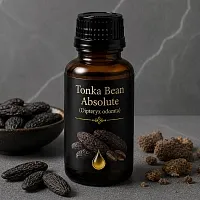
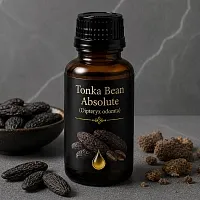
Absolutes such as tonka bean sit slightly apart from true resins, being concentrated extracts rather than hardened exudates, but they are grouped here for their similar role as base note and fixative material. Absolut Bean Tonka 1 kg and the smaller Absolut Bean Tonka 100 g pack format offer a sweet, warm facet that blends readily with resinous notes.
How to choose and what to combine in a formula
Selection usually starts with the intended function of the material rather than a single end use. If a stable, malleable texture is the priority for a stick or solid balm, denser resins and resinoids provide that structural backbone. If the goal is scent longevity and depth in a finished fragrance, a fixative grade material chosen for its base note character will hold the composition together over time.
Resins and resinoids are frequently combined with waxes and butters for texture, and with lighter aromatic materials that need a slower evaporation rate. For formulas built around a water phase, it is worth checking the stability of the full system, including the emulsifying components in the Emulsifiers Wholesale range, since resinous materials can behave differently once introduced into an emulsion versus an anhydrous base.
Origin, packaging and storage
The raw materials in this section originate from a range of countries, including Ukraine, Germany, France, India, Egypt, Spain and Greece, depending on the specific resin or absolute. Pack sizes vary from smaller 100 g formats suited to trial batches to 1 kg volumes for larger production runs.
Because resins and resinoids are sensitive to heat and light, they should be stored in a cool, dark place in tightly closed containers to prevent softening, oxidation or loss of aromatic strength over time. Some materials may harden further or become more brittle in cooler conditions, which is a normal characteristic rather than a sign of reduced quality.
FAQ
What is the difference between a resin and a resinoid in cosmetic formulations?
A resin is typically a raw or lightly processed solid exudate, while a resinoid is a concentrated extract obtained through solvent processing, giving it a softer texture and stronger aromatic profile. Resinoids blend more easily into balms and sticks, while resins often need gentle heating first.
How should resins and resinoids be stored before use?
Keep them in tightly sealed containers away from direct light, heat and moisture. Most resinous materials soften at room temperature and can become sticky in warm storage areas, so a cool, stable environment helps preserve their texture and aromatic strength over time.
Can resins and resinoids replace synthetic waxes in stick formulas?
They can partially replace or complement waxes, contributing structure and a natural aromatic layer, but the final hardness and glide of a stick still depend on the overall wax and oil balance in the formula. Testing small batches helps confirm the right ratio for a stable product.
Do resins and resinoids work well combined with essential oils?
Yes, resinous materials often act as a base note that anchors lighter essential oils and prevents faster evaporating notes from fading too quickly. This makes them useful in solid perfumes and balms where a lasting scent profile is the goal.
Recommendations
When choosing a resin or resinoid, match its texture and melting behavior to your formula type, harder resins suit solid perfumes and fixative bases, while softer resinoids blend more smoothly into balms and styling waxes. Request a small sample batch first to test scent strength and consistency before committing to a larger order. Our team is available by email to help you select the right material and quantity for your production needs.