-
 Absolutes
-
 Active Complexes
-
 Actives & Peptides
-
 Amino Acids & Proteins
-
 Food Flavors
-
 Ayurvedic Ingredients & Herbs
-
 Vitamins & Coenzymes
-
 Chocolate Making Supplies
-
 Thickeners & Gelling Agents
-
 Hydrosols & Floral Waters
-
 Hydrolyzed Proteins
-
 Fragrance Ingredients
-
 Nutraceutical Ingredients
-
 Acids, Salts, Alcohols & Alkalis
-
 Preservatives & Antioxidants
-
 Cosmetic Ingredients
-
 Colorants, Micas & Glitters
-
 Masks, Scrubs & Botanicals
-
 Oils & Butters
-
 Candle Making Supplies
-
 Melt and Pour Soap Bases
-
 Cream, Lotion & Hair Care Bases
-
 Fragrance Oils & Industrial Aromatics
-
 Cleansing Agents & Surfactants
-
 Peeling Actives & Acids
-
 Cosmetic Powders
-
 Solvents & Humectants
-
 Silicones & Conditioning Agents
-
 Bottles, Jars & Vials
-
 Silicone & Plastic Molds, Tools
-
 Botanical Extracts
-
 Cosmetic Emollients
-
 Emulsifiers
-
 Essential Oils
- Antioxidants 122
- Biocides 12
- Hydrosols (Hydrolates) 11
- Hydrocolloids for Cosmetics 10
- Others 70
- Fragrant Waters for Cosmetics 26
- Mineral Cosmetic Ingredient 194
- Functional Components 5137
- Corneotherapy 17
- Liposomes for Cosmetics 21
- Minerals 76
- pH Neutralizers/Correctors 20
- Resins and Resinoids 17
- UV and SPF Filters for Cosmetics 95
- Fruit Powders 15
- Chemical Raw Materials 155
- Enzymes, Filtrates, and Lysates 26
- Cargill France SAS – Oils and Actives 10
- BASF Cognis Care Chemicals 12
- Vitamins & Coenzymes Wholesale 156
- Bulk Waxes for Cosmetics 61
- Others Wholesale 89
- Acids, Salts, Alcohols & Alkalis Wholesale 136
- Cosmetic Ingredients Wholesale 2549
- Food grade raw materials wholesale 13
- Fruit Powders in Bulk 23
- Antioxidants bulk 1
- Acids and Alkalis Wholesale 17
- Preservatives Bulk 5
- Bulk Surfactants 3
- Emulsifiers Bulk 14
- Hydrosols Bulk 210


Hydrocolloids for Cosmetics

 Add to cart




 Subscribe
Texture builders for emulsions and gels
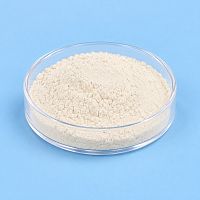
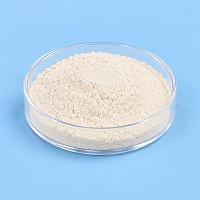
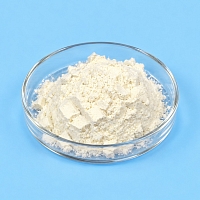
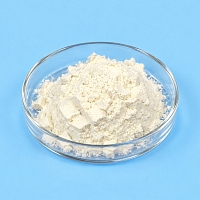
Hydrocolloids are water-soluble polymers, derived from plant, marine or microbial sources, that bind water molecules to build viscosity, stabilize emulsions and create gel networks in cosmetic formulas. This section brings together xanthan gum, carrageenan, sclerotium gum, guar derivatives and similar thickening agents supplied in bulk for formulators working at any production scale. Each grade differs in hydration speed, shear sensitivity and final texture, from a light lotion gel to a dense mask base.
Formulators use these ingredients to stabilize oil and water phases in creams and lotions, to build the cushiony body of clay masks, to thicken serums without leaving a sticky film, and to suspend pigments or exfoliating particles evenly in a formula. Some grades also help control how a product releases active ingredients onto skin during wear. For labs that combine thickeners with other actives, the functional components range covers complementary building blocks, while the broader cosmetic ingredients catalog is useful when sourcing a full formula in one order.
Gum types and how they differ
Xanthan gum is the most common all-purpose thickener, giving a short, non-stringy texture and strong stability across a wide pH range, which makes it a reliable starting point for lotions and serums. Carrageenan, extracted from red seaweed, forms a more elastic gel and is often chosen when a formula needs a firmer set, such as a stick or balm-like texture. Sclerotium gum brings a silky, slip-rich feel and is valued in lightweight gels and eye products where a heavy or tacky finish is undesirable. Guar derivatives sit between these options, offering moderate viscosity with good compatibility in rinse-off formulas like conditioners and cleansers.
Beyond the base gum, particle size and pre-hydration behavior vary by grade. Some powders disperse quickly in cold water, while others require heating or a dispersing agent to avoid clumping, which matters when planning batch times on a production line.
Choosing a grade and building a formula around it
Selection usually starts with the target texture: light and pourable, cushiony, or firm and moldable. From there, formulators check shear sensitivity, since some hydrocolloids thin out under high-speed mixing and need to be added at a specific stage. Electrolyte tolerance is another factor, particularly for formulas containing salts or acids, where certain gums lose viscosity or become unstable. In this catalog, thickeners are frequently paired with ingredients from the acids, salts, alcohols, and alkalis range for pH adjustment, or combined with waxes from the bulk waxes for cosmetics selection when a formula needs both gel structure and a waxy, occlusive layer.
Water-soluble actives are another common partner. Polyglutamic acid, available in 1 g and 50 g packaging, adds its own film-forming and moisture-binding effect and is often layered alongside a hydrocolloid rather than used as a substitute for one. Formulators building a water phase from scratch also look at the hydrosols bulk range or the more concentrated fragrant waters for cosmetics line as the liquid base that the gum will thicken.
Origin, storage, and finding less common grades
The hydrocolloids in this catalog are sourced from the United States, with consistent particle grading between batches, which helps keep viscosity predictable from one order to the next. Powders should be kept sealed, away from moisture and direct heat, since these ingredients are naturally hygroscopic and can clump or lose their thickening power if exposed to humid air over time.
For less common or specialty texture agents that fall outside the main gum categories, the others section and its bulk counterpart, others wholesale, are worth checking, as smaller-batch or newer ingredients are sometimes listed there before a dedicated category is created.
FAQ
What is the difference between xanthan gum and carrageenan in a cosmetic formula?
Xanthan gum builds shear-thinning viscosity and works well across a wide pH range, making it suited to lotions and serums. Carrageenan forms a softer, more elastic gel network and is often chosen for masks or products where a firmer set is desired.
How much hydrocolloid is typically used in a cream or gel base?
Usage levels usually range from 0.1 to 1 percent depending on the grade and desired texture. Small test batches are recommended, since hydration speed and final viscosity vary between suppliers and even between production lots.
Can different gums be combined in one formula?
Yes, blending gums is common practice to balance texture, stability and skin feel. For example, a small amount of one thickener can offset the stringiness of another, giving a smoother, more cushiony result without excess tackiness.
How should hydrocolloid powders be stored before use?
Keep them in sealed, moisture-proof containers in a cool, dry place away from direct sunlight. Exposure to humidity can cause clumping and uneven hydration, which affects how consistently the powder disperses in a batch.
Recommendations
Choosing the right grade comes down to how the final texture should feel and how the formula will be processed. Check hydration speed, shear sensitivity and clarity in water before committing to a full batch, and request a small sample if you are testing a new supplier or a new production line. For questions about grade selection or bulk quantities, reach out by email and our team will help match a thickener to your formula.



