-
 Absolutes
-
 Active Complexes
-
 Actives & Peptides
-
 Amino Acids & Proteins
-
 Food Flavors
-
 Ayurvedic Ingredients & Herbs
-
 Vitamins & Coenzymes
-
 Chocolate Making Supplies
-
 Thickeners & Gelling Agents
-
 Hydrosols & Floral Waters
-
 Hydrolyzed Proteins
-
 Fragrance Ingredients
-
 Nutraceutical Ingredients
-
 Acids, Salts, Alcohols & Alkalis
-
 Preservatives & Antioxidants
-
 Cosmetic Ingredients
-
 Colorants, Micas & Glitters
-
 Masks, Scrubs & Botanicals
-
 Oils & Butters
-
 Candle Making Supplies
-
 Melt and Pour Soap Bases
-
 Cream, Lotion & Hair Care Bases
-
 Fragrance Oils & Industrial Aromatics
-
 Cleansing Agents & Surfactants
-
 Peeling Actives & Acids
-
 Cosmetic Powders
-
 Solvents & Humectants
-
 Silicones & Conditioning Agents
-
 Bottles, Jars & Vials
-
 Silicone & Plastic Molds, Tools
-
 Botanical Extracts
-
 Cosmetic Emollients
-
 Emulsifiers
-
 Essential Oils
- Antioxidants 122
- Biocides 12
- Hydrosols (Hydrolates) 11
- Hydrocolloids for Cosmetics 10
- Others 70
- Fragrant Waters for Cosmetics 26
- Mineral Cosmetic Ingredient 194
- Functional Components 5134
- Corneotherapy 17
- Liposomes for Cosmetics 21
- Minerals 76
- pH Neutralizers/Correctors 20
- Resins and Resinoids 17
- UV and SPF Filters for Cosmetics 95
- Fruit Powders 15
- Chemical Raw Materials 155
- Enzymes, Filtrates, and Lysates 26
- Cargill France SAS – Oils and Actives 10
- BASF Cognis Care Chemicals 12
- Vitamins & Coenzymes Wholesale 156
- Bulk Waxes for Cosmetics 61
- Others Wholesale 89
- Acids, Salts, Alcohols & Alkalis Wholesale 136
- Cosmetic Ingredients Wholesale 2549
- Food grade raw materials wholesale 13
- Fruit Powders in Bulk 23
- Antioxidants bulk 1
- Acids and Alkalis Wholesale 17
- Preservatives Bulk 5
- Bulk Surfactants 3
- Emulsifiers Bulk 14
- Hydrosols Bulk 210


UV and SPF Filters for Cosmetics

 Add to cart


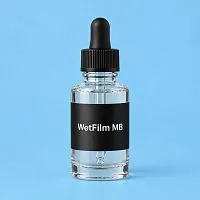
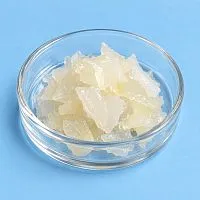
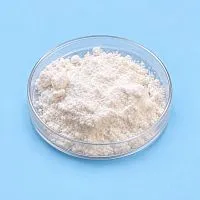


Sunscreen actives for skincare and daily formulations
This section covers organic and mineral UV and SPF filters used to build sun protection into cosmetic formulations. Buyers will find raw materials that absorb or scatter ultraviolet radiation, including chemical filters and mineral options such as zinc oxide and titanium dioxide grades, sold in quantities suited to both small studio batches and larger production runs.
These filters are blended into emulsions, lotions, creams, sticks, sprays and daily facial products where UV protection is a functional requirement rather than a marketing add on. Formulators combine them with emulsifiers, stabilizers and other functional components to achieve texture, stability and the intended level of photoprotection.
Because filter chemistry affects how a formula feels, spreads and reacts to light and heat, ingredient choice depends heavily on the rest of the recipe. Many clients source these alongside a broader set of raw materials in the general cosmetic ingredients wholesale range to streamline a single order.
Chemical, mineral and physical differences within the range
Filters in this section fall into two broad chemical families. Organic absorbers such as Avobenzone 10 g work by absorbing ultraviolet energy and converting it to a small amount of heat, while ester-type filters like SPF filter OM-Cinnamate 10 ml and SPF Filter Octocrylene 10 ml target a narrower UVB band and are often paired with a UVA absorber to widen coverage.
Mineral filters sit at the other end of the spectrum. Micronized Titanium Dioxide 5 g and UV filter ZINC OXIDE 10 g reflect and scatter light at the particle surface rather than absorbing it chemically, which is why they behave differently in a base and often leave a different finish on skin depending on particle size and dispersion.
Choosing a filter and building the rest of the formula around it
The right pick depends on the finished product, the feel a brand wants, and how the filter interacts with everything else in the batch. Mineral grades tend to sit well in simple, gentler formulas, while organic absorbers usually need a stable emulsion system to stay evenly distributed and effective.
These raw materials are rarely used alone. Formulators frequently balance UV filters with oils and butters from the Bulk Waxes for Cosmetics range to adjust texture and spreadability, and some batches also include skin-conditioning extras such as Pearl Hydrolysate 50 ml or antioxidant support from Gamma Oryzanol 5 g, which is also valued for its own stabilizing properties in a formula.
Origin, handling and stability
Stock in this category is sourced from suppliers across the United States, Italy, France, Germany, the Netherlands, Ukraine, Japan and England, giving formulators a choice between different grades and particle specifications for the same filter type.
Most UV actives are sensitive to prolonged light, heat and moisture exposure, so they should be kept in their original sealed packaging, away from direct sunlight, and used within a reasonable window after opening to preserve their protective performance in the final product.
FAQ
What is the difference between chemical and mineral UV filters for cosmetics
Chemical filters absorb ultraviolet radiation and convert it into heat, while mineral filters such as zinc oxide and titanium dioxide sit on the skin surface and scatter or reflect light. Formulators often blend both types to balance texture, sensory feel and broad spectrum coverage in a single product.
How much UV filter is typically used in a lotion or cream formula
Usage levels vary widely by filter type and desired SPF, ranging from a small percentage for boosting agents to significant loads for mineral actives. The exact rate depends on the rest of the formula, so testing at lab scale before scaling production is standard practice.
Can UV filters be combined with other actives in one formulation
Yes, UV filters are routinely combined with emulsifiers, stabilizers, antioxidants and skin conditioning agents. Compatibility depends on pH, particle size and the emulsion system used, so small batch trials help confirm stability before committing to a full production run.
How should UV filter raw materials be stored before use
Most filters should be kept in a cool, dry place away from direct light and sealed tightly between uses to prevent moisture uptake or oxidation. Mineral powders in particular should stay protected from humidity to keep flow and dispersion consistent in the final batch.
Recommendations
When choosing a UV filter, match the chemical or mineral type to your formula base, target texture and required protection level, then confirm compatibility through a small test batch before scaling up. Order quantities can be adjusted for studio size or production runs, and orders are placed by email with assembly typically taking three to five business days.


