-
 Absolutes
-
 Active Complexes
-
 Actives & Peptides
-
 Amino Acids & Proteins
-
 Food Flavors
-
 Ayurvedic Ingredients & Herbs
-
 Vitamins & Coenzymes
-
 Chocolate Making Supplies
-
 Thickeners & Gelling Agents
-
 Hydrosols & Floral Waters
-
 Hydrolyzed Proteins
-
 Fragrance Ingredients
-
 Nutraceutical Ingredients
-
 Acids, Salts, Alcohols & Alkalis
-
 Preservatives & Antioxidants
-
 Cosmetic Ingredients
-
 Colorants, Micas & Glitters
-
 Masks, Scrubs & Botanicals
-
 Oils & Butters
-
 Candle Making Supplies
-
 Melt and Pour Soap Bases
-
 Cream, Lotion & Hair Care Bases
-
 Fragrance Oils & Industrial Aromatics
-
 Cleansing Agents & Surfactants
-
 Peeling Actives & Acids
-
 Cosmetic Powders
-
 Solvents & Humectants
-
 Silicones & Conditioning Agents
-
 Bottles, Jars & Vials
-
 Silicone & Plastic Molds, Tools
-
 Botanical Extracts
-
 Cosmetic Emollients
-
 Emulsifiers
-
 Essential Oils


Scrubs, Waxes, Clays, and Beads in Bulk

 Add to cart







 Subscribe

Texture and exfoliation components for formulators
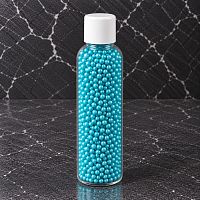
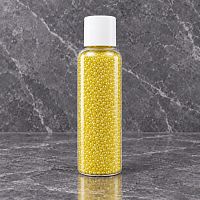
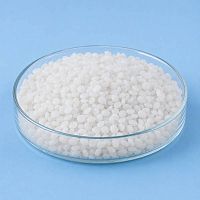
This section covers raw exfoliating and texturizing materials: mechanical scrub particles, cosmetic waxes, mineral clays, and decorative beads supplied in bulk quantities for formulation work. These come as loose granules, powders, or wax blocks rather than finished products, letting a lab or workshop control particle size, melt behavior, and color from batch to batch.
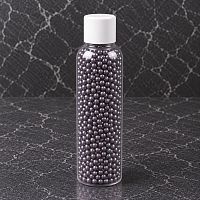
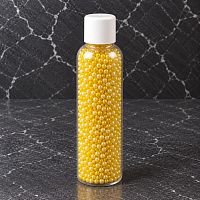
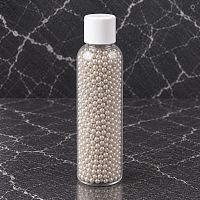
Scrub grains and clay powders are common in body and facial exfoliants, mud masks, and cleansing balms, where particle hardness and grind size determine how gentle or abrasive the final texture feels on skin. Waxes act as structuring and thickening agents in balms, lip products, and solid cosmetic bars, adjusting hardness and melting point. Beads add visual texture or slow-release function inside gels and creams. For related mineral and textural additives, formulators often also look at Sea Salt Wholesale and Bath Beads and Pearls Wholesale for coarser or decorative particle options.
Types and how they differ
Scrub grains vary mainly by hardness and grind size: raspberry seed granules, sold as a scrub of raspberry seeds in oil solution, 1 kg, are already pre-dispersed in an oily carrier, which makes them easier to blend into balms and cleansing bars without extra emulsifying steps. Dry mineral clays behave differently again, since their particle size affects both texture and how much oil or water they absorb once mixed into a paste. Waxes sit in a separate category entirely: rather than exfoliating, they melt at a defined temperature and set the structure of the finished product, so their key differentiator is hardness and melting point rather than grain coarseness.
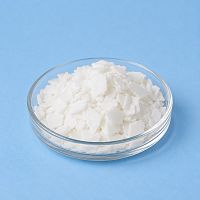
Apple wax is a good example of this structuring role. It is offered as apple wax, 100 g for smaller test batches and as apple wax, 1 kg for larger production runs, letting a formulator scale a recipe from prototype to full batch without switching suppliers.
Choosing a variant and pairing ingredients
Selection usually starts with the finished product's mechanical needs. A facial scrub calls for finer, softer granules than a foot or body scrub, where a coarser abrasive is often preferred. A solid balm or lip product depends more on the wax's melting range and hardness than on any exfoliating property at all, since the wax here controls how the stick glides and holds its shape at room temperature.
These raw materials are rarely used alone. Scrub particles are commonly combined with plant-based additives for extra texture or visual interest, and formulators building masks or scrubs often pair grains with options from dried flowers in bulk for a layered look, or browse the broader additives for cosmetics wholesale range when building a full mask or scrub formula from scratch. Waxes, meanwhile, are typically blended with emollients and butters rather than with abrasive particles, since their function is structural rather than textural.
Origin and storage
Materials in this section come from Ukraine and Italy, giving formulators a mix of local and imported sourcing depending on the specific item. Waxes should be kept in a cool, dry place away from direct heat to prevent premature softening or melting before use, while granules and powders keep best in sealed containers to avoid moisture uptake, which can affect both texture and shelf stability once incorporated into a formula.
FAQ
What is the difference between scrub grains and clay powders in formulation
Scrub grains are solid particles that provide mechanical exfoliation through grind size and hardness, while clay powders absorb excess oil and impurities without abrasive action. Formulators often combine both in a single mask or cleansing balm to balance gentle cleansing with physical texture.
How fine should exfoliating particles be for facial versus body formulas
Facial formulas typically call for finer grind sizes to avoid micro-tearing on thinner skin, while body scrubs tolerate coarser particles for a stronger mechanical effect. Particle size should always be tested in a small batch before scaling up production.
Can waxes and beads be blended in the same base
Yes, waxes are commonly used as the structuring base in balms and solid bars, while beads are added afterward for visual texture or slow-release function. Melting point compatibility between the wax and any bead coating should be checked to avoid distorting the beads during processing.
How should bulk scrub and wax materials be stored
Waxes should be kept in a cool, dry place away from direct heat to prevent premature softening or melting. Powders and clays need sealed containers to avoid moisture absorption, which can cause clumping and affect texture consistency in the final formula.
Recommendations
When selecting a batch of scrub grains, clay, or wax, match particle hardness and grind size to your target texture, and request a small sample before committing to a full order, since grind consistency can vary between batches. Melting point matters most for wax-based structuring agents, so check it against your intended processing temperature. Reach out by email with your formulation goals and order volume, and our team will help narrow down the right material for your batch.



