Apricot Wax for Natural Beauty Products and Premium Texture Design
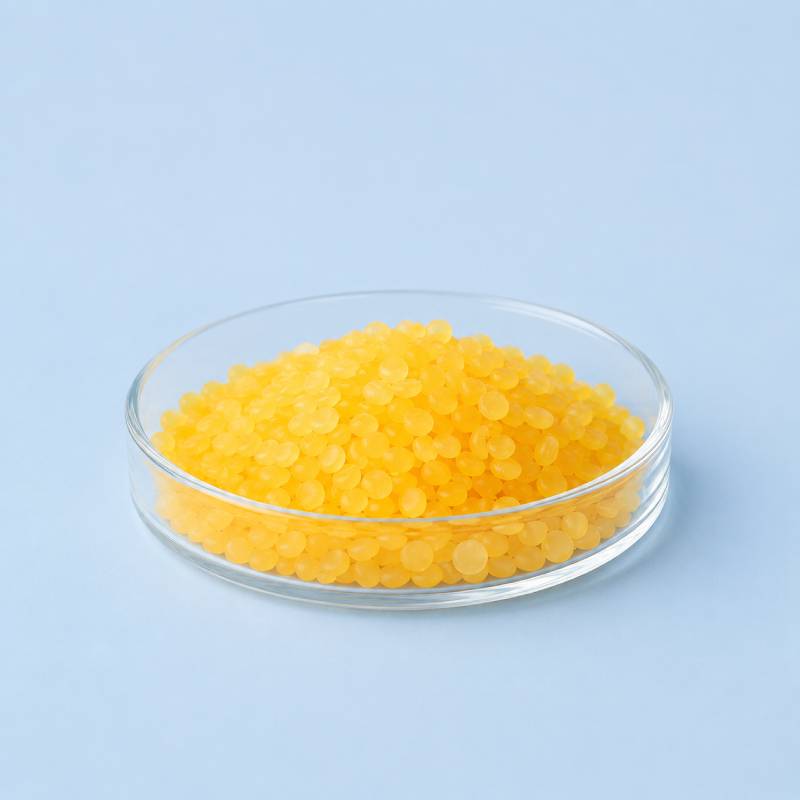
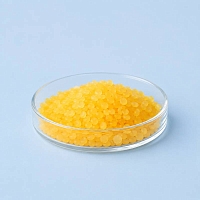
Apricot Wax is a plant-derived structuring ingredient valued for its ability to create smooth, elegant textures in modern cosmetic formulations. Produced from apricot kernel oil fractions, this ingredient combines the functionality of a botanical wax with the sensory benefits associated with lipid-rich plant materials. It is widely used in premium skincare, lip care, SPA products, and contemporary clean beauty formulations where texture quality plays a significant role in product performance.
The growing demand for naturally sourced ingredients has increased the popularity of Apricot Wax among manufacturers developing vegan cosmetics, artisan products, and sustainable beauty solutions. Its ability to provide softness, structure, and a luxurious skin feel makes it an attractive ingredient for innovative product development.
Naturally Occurring Lipid Components
Apricot Wax contains naturally occurring wax esters, phytosterols, tocopherol fractions, squalene-related compounds, and lipid components derived from apricot kernels. Phytosterols are particularly valued in cosmetic formulation due to their contribution to conditioning and texture-enhancing systems.
The ingredient also contains naturally occurring fatty acid derivatives associated with oleic and linoleic lipid fractions. These compounds contribute to the smooth sensory profile that makes Apricot Wax highly desirable in premium cosmetic applications.
Its unique composition allows formulators to create products with a rich yet comfortable texture while maintaining a naturally derived ingredient profile.
Applications Across Multiple Product Categories
Apricot Wax is widely incorporated into lip balms, body butters, facial creams, massage bars, solid perfumes, protective skincare products, and specialty beauty formulations. In decorative cosmetics, it is frequently used to improve texture and structure in lipsticks, cream-based products, and beauty sticks.
In skincare manufacturing, the ingredient contributes to elegant textures and enhanced sensory performance. SPA and wellness brands often utilize Apricot Wax in body care products designed to provide a luxurious user experience.
The ingredient is also popular in artisan cosmetics, handmade beauty products, and natural formulation concepts. Beyond cosmetics, Apricot Wax can be found in specialty wax blends and selected candle-making applications where botanical ingredients are preferred.
Benefits for Modern Formulation Development
Apricot Wax works exceptionally well with vegetable oils, natural butters, esters, and other botanical waxes. It is often combined with Rice Bran Wax, Candelilla Wax, or Carnauba Wax to create customized texture systems tailored to specific product requirements.
Compared to many traditional waxes, Apricot Wax helps formulators achieve softer and more flexible textures. This characteristic makes it particularly attractive for premium lip care and advanced skincare products.
Manufacturers appreciate its ability to enhance product aesthetics while supporting naturally positioned formulations aligned with current market trends.
Recipe: Apricot Nourishing Lip Balm
Product Name: Apricot Velvet Lip Balm
Apricot Wax - 12 g
Mango Butter - 18 g
Apricot Kernel Oil - 20 ml
Jojoba Oil - 12 ml
Squalane - 5 ml
Vitamin E - 2 ml
Natural Vanilla Flavor - 1 ml
Gently melt all solid ingredients using a water bath until fully combined. Add the liquid oils and mix thoroughly until uniform. Incorporate Vitamin E and the flavor component, then pour into lip balm containers and allow the mixture to cool completely.
The finished product is a nourishing lip balm with a smooth creamy texture, excellent glide, and a luxurious sensory profile suitable for everyday lip care applications.
Apricot Wax remains a highly valued botanical ingredient in modern cosmetic manufacturing due to its natural origin, compatibility with lipid-based systems, and ability to create premium textures for skincare, lip care, wellness, artisan, and clean beauty products.