-
 Absolutes
-
 Active Complexes
-
 Actives & Peptides
-
 Amino Acids & Proteins
-
 Food Flavors
-
 Ayurvedic Ingredients & Herbs
-
 Vitamins & Coenzymes
-
 Chocolate Making Supplies
-
 Thickeners & Gelling Agents
-
 Hydrosols & Floral Waters
-
 Hydrolyzed Proteins
-
 Fragrance Ingredients
-
 Nutraceutical Ingredients
-
 Acids, Salts, Alcohols & Alkalis
-
 Preservatives & Antioxidants
-
 Cosmetic Ingredients
-
 Colorants, Micas & Glitters
-
 Masks, Scrubs & Botanicals
-
 Oils & Butters
-
 Candle Making Supplies
-
 Melt and Pour Soap Bases
-
 Cream, Lotion & Hair Care Bases
-
 Fragrance Oils & Industrial Aromatics
-
 Cleansing Agents & Surfactants
-
 Peeling Actives & Acids
-
 Cosmetic Powders
-
 Solvents & Humectants
-
 Silicones & Conditioning Agents
-
 Bottles, Jars & Vials
-
 Silicone & Plastic Molds, Tools
-
 Botanical Extracts
-
 Cosmetic Emollients
-
 Emulsifiers
-
 Essential Oils
Glycolic Extracts

 Add to cart
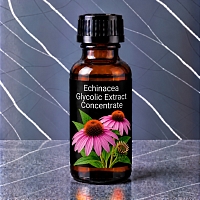




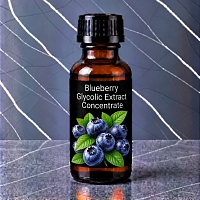


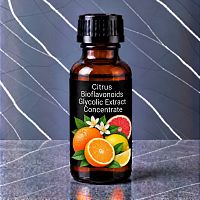




Composition of the Glycolic Extracts Category
Glycolic extracts are botanical concentrates produced using glycols that efficiently draw out plant compounds. The selection covers floral, leaf, herbal, fruit-berry, root and wood varieties. All maintain solubility in water and water-glycol systems while differing in viscosity and plant origin. Botanical Extracts allow formulators to match the carrier to specific recipe needs. Additional options include multifunctional blends suited for varied manufacturing scales. These materials offer strong extraction properties combined with excellent stability across multiple formulation types used in international production environments.
Selection Criteria and Typical Usage
Choice depends on solubility profile, compatibility with emulsifiers and surfactants, plus phase of addition. Input rates usually range from three to seven percent. Packaging protects against light and moisture, with specifications detailing stability across temperature and pH ranges. Further details cover density and clarity values essential for consistent output. Formulators evaluate these parameters to ensure seamless integration into gels, serums and lotions where uniform distribution is required. Related raw materials are collected in the liquid extracts section.
Role in Cosmetic Development
These extracts integrate into serums, toners, creams, gels and masks for face and body. They distribute evenly in aqueous systems and help maintain clarity. Glycolic Extracts Wholesale appear frequently in haircare and cleansing formulas where compatibility with panthenol and niacinamide matters. Such materials support professional spa lines and wellness products. Their enhanced penetration capabilities make them suitable for advanced skincare routines and functional cleansing blends in modern cosmetic lines.
Supply for Dietary Supplements and Food Production
Private formulators and food-industry factories source glycolic extracts as raw material for dietary supplements, functional beverages, confectionery and enriched products. Worldwide shipments serve laboratories and plants that require consistent botanical input for manufacturing processes only. The stable profile supports incorporation into drinks and sweets without altering sensory characteristics. Global buyers from private labs to large confectionery factories rely on these concentrates for technological applications in functional food development.
Storage Recommendations
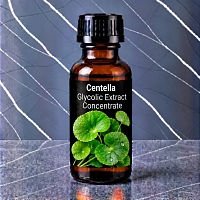
Keep material in sealed containers at room temperature away from direct light to preserve batch uniformity. Centella Glycolic Extract 25 ml follows the same guidelines as other items in the range. Humidity control prevents structural changes during long-term holding. Proper storage ensures the extracts retain their solubility and compatibility properties over extended periods in warehouse conditions.
Batch Consistency for Production
Serial manufacturing benefits from repeatable specifications between lots and accompanying documentation. This supports seamless incorporation into industrial lines without altering process parameters. Botanical Extract Complexes provide uniform quality in large volumes. Manufacturers appreciate the reliability when scaling up production for export markets and domestic supply chains.
FAQ
How do glycolic extracts differ from water-based ones?
Glycol carriers improve penetration and stability in complex blends compared with purely aqueous versions.
Can multiple extracts be combined in one formula?
Combinations are possible after verifying compatibility and final clarity of the mixture.
What is the usual input percentage?
Most cosmetic and food formulas use between three and seven percent of total weight.
What storage conditions are advised?
Store in closed containers at room temperature without exposure to direct light.



