
-
 Absolutes
-
 Active Complexes
-
 Actives & Peptides
-
 Amino Acids & Proteins
-
 Food Flavors
-
 Ayurvedic Ingredients & Herbs
-
 Vitamins & Coenzymes
-
 Chocolate Making Supplies
-
 Thickeners & Gelling Agents
-
 Hydrosols & Floral Waters
-
 Hydrolyzed Proteins
-
 Fragrance Ingredients
-
 Nutraceutical Ingredients
-
 Acids, Salts, Alcohols & Alkalis
-
 Preservatives & Antioxidants
-
 Cosmetic Ingredients
-
 Colorants, Micas & Glitters
-
 Masks, Scrubs & Botanicals
-
 Oils & Butters
-
 Candle Making Supplies
-
 Melt and Pour Soap Bases
-
 Cream, Lotion & Hair Care Bases
-
 Fragrance Oils & Industrial Aromatics
-
 Cleansing Agents & Surfactants
-
 Peeling Actives & Acids
-
 Cosmetic Powders
-
 Solvents & Humectants
-
 Silicones & Conditioning Agents
-
 Bottles, Jars & Vials
-
 Silicone & Plastic Molds, Tools
-
 Botanical Extracts
-
 Cosmetic Emollients
-
 Emulsifiers
-
 Essential Oils
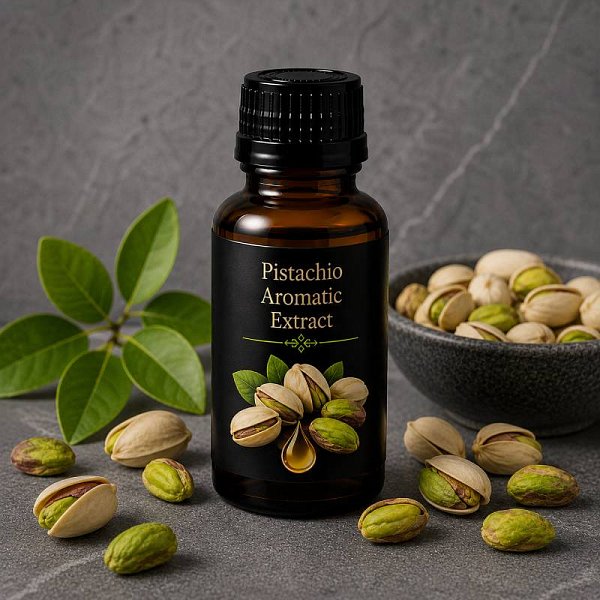
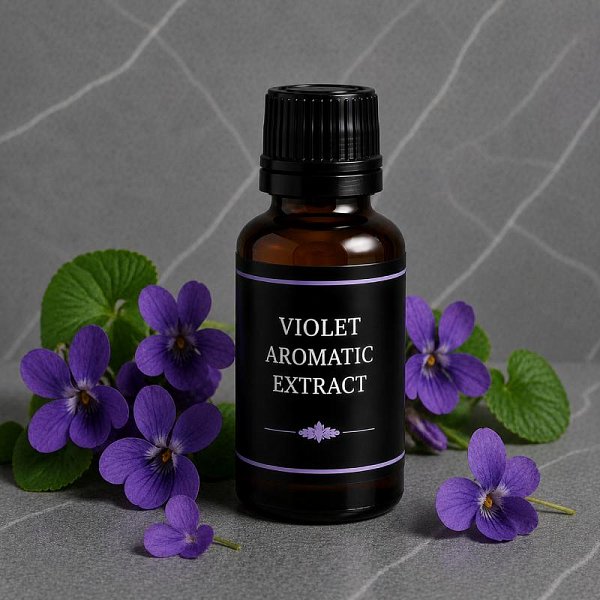
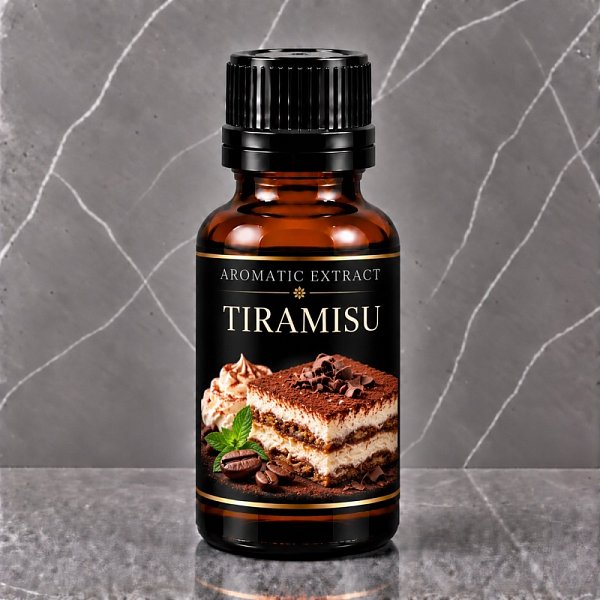
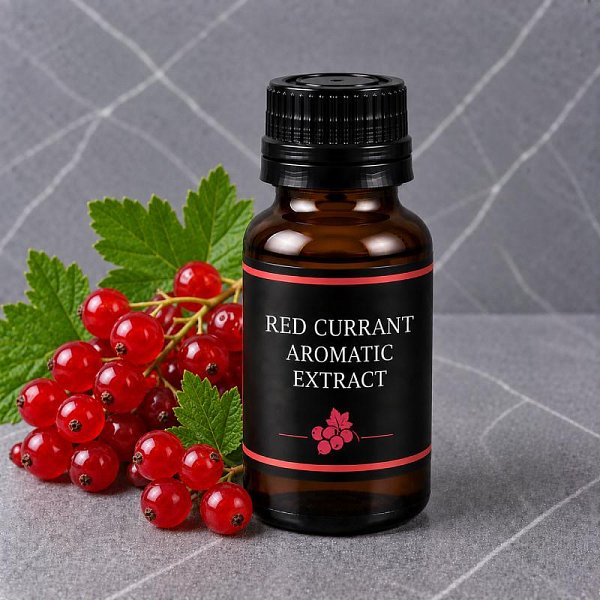
Natural Aromatic Extracts
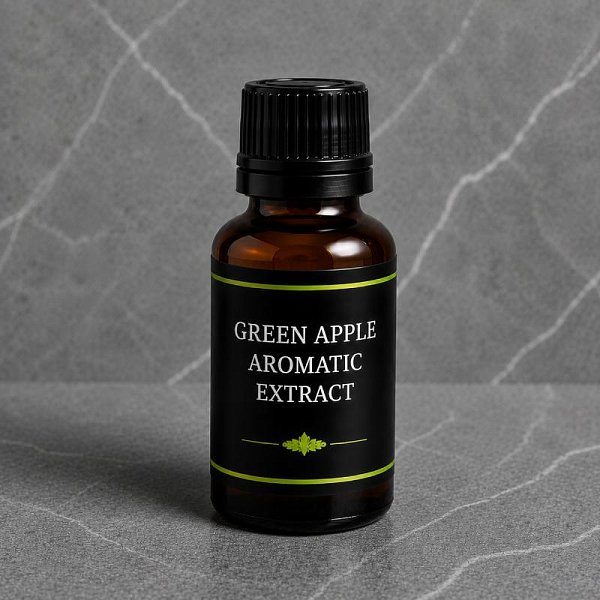
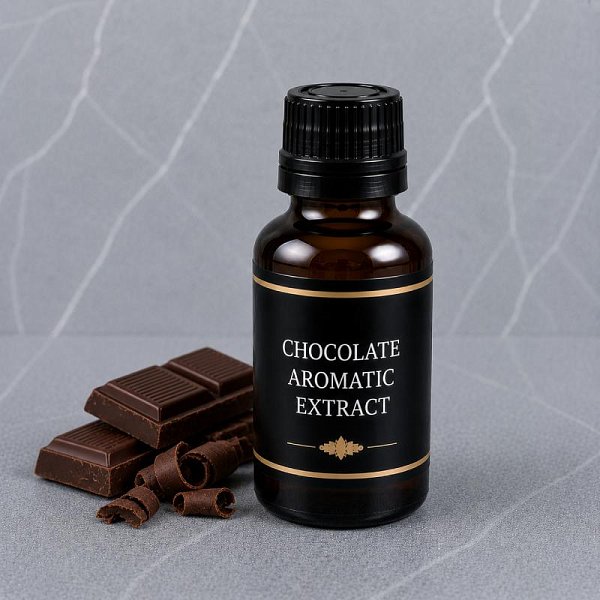
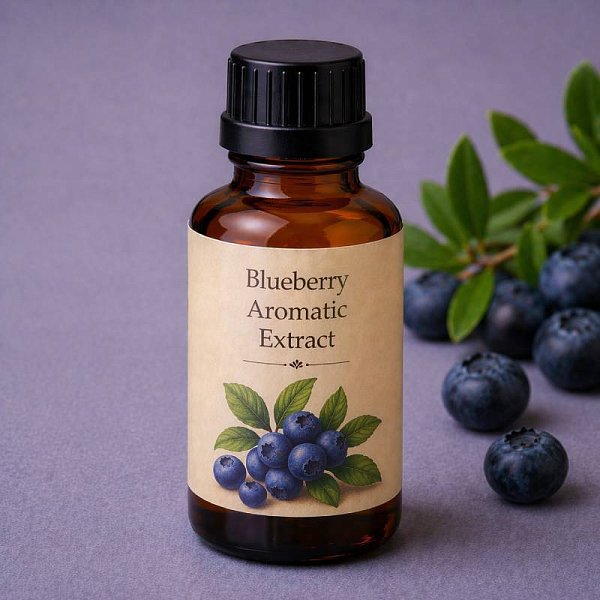
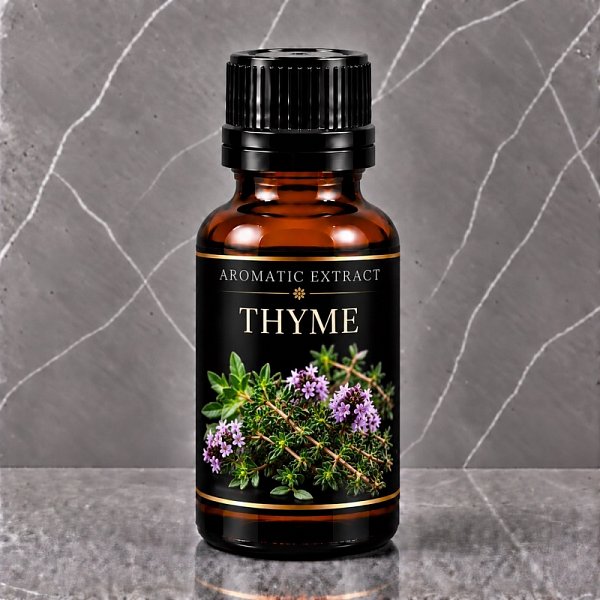
 Add to cart
Read more
 Add to cart
Read more
 Add to cart
Read more
 Add to cart
Read more
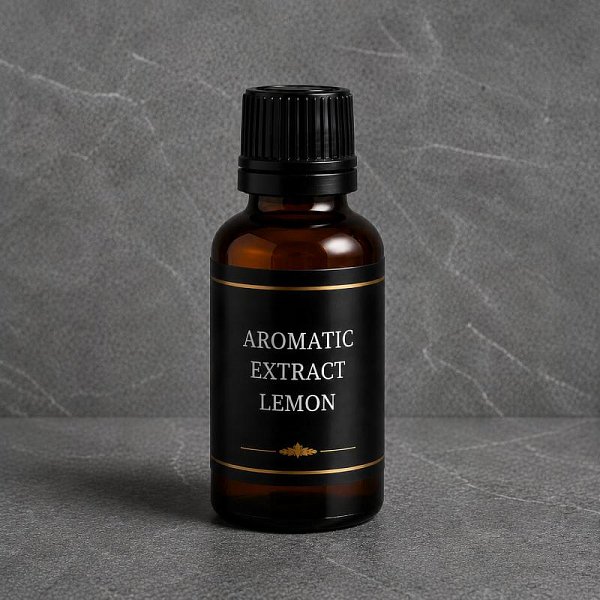
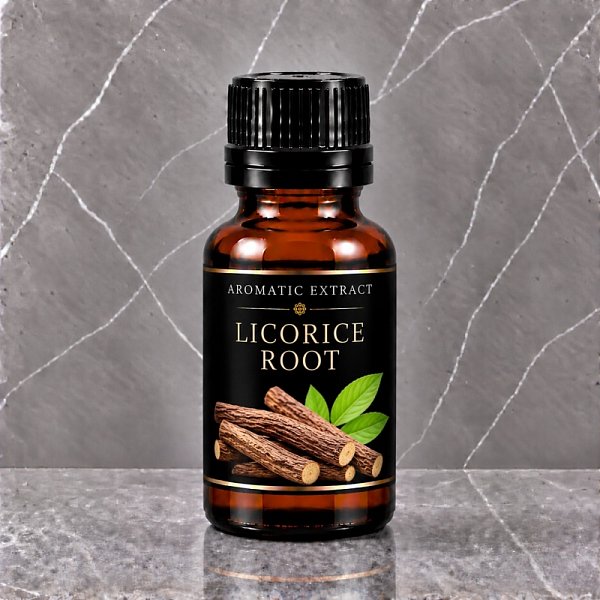
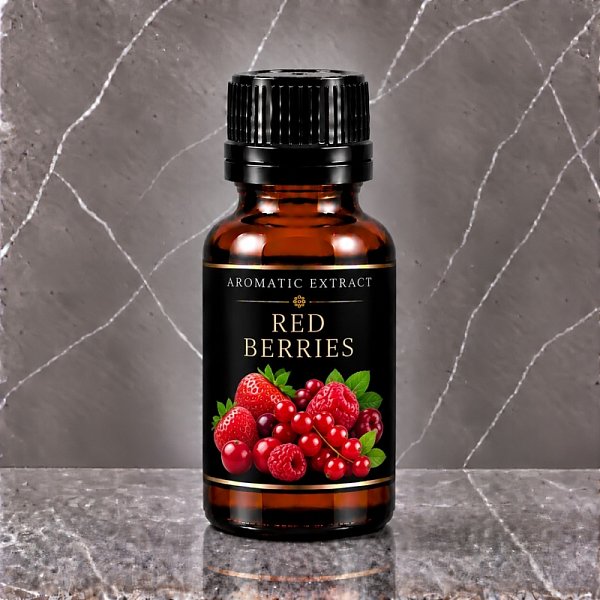
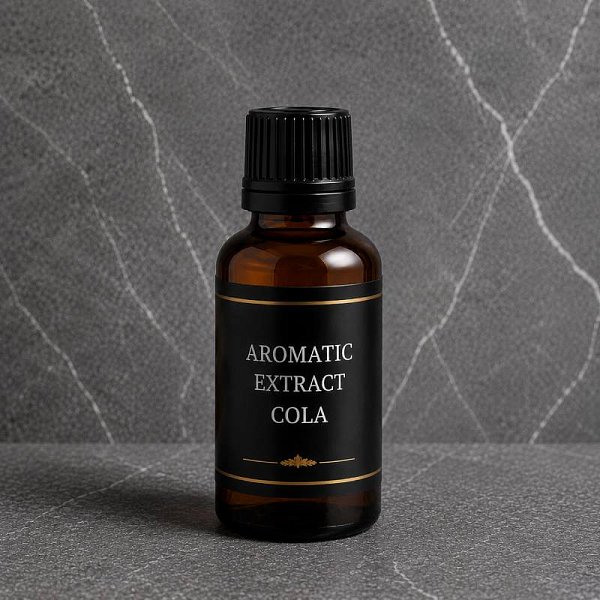
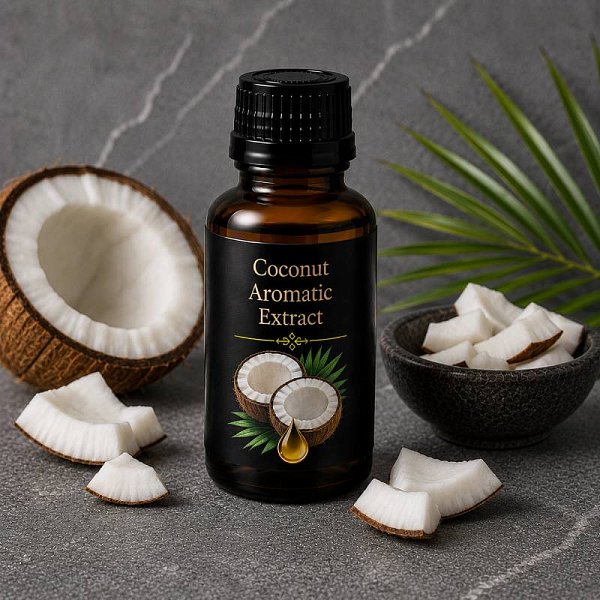
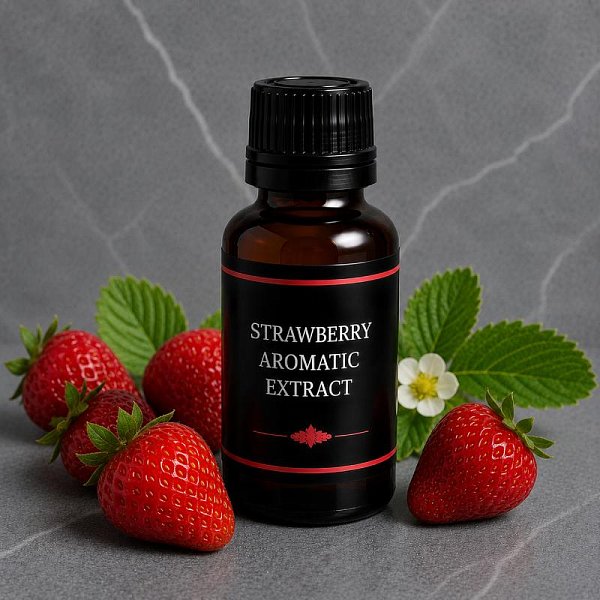
Category contents and form differences
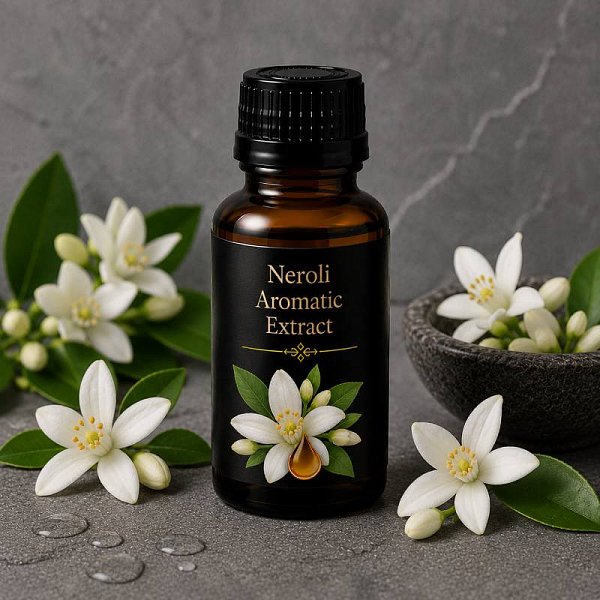
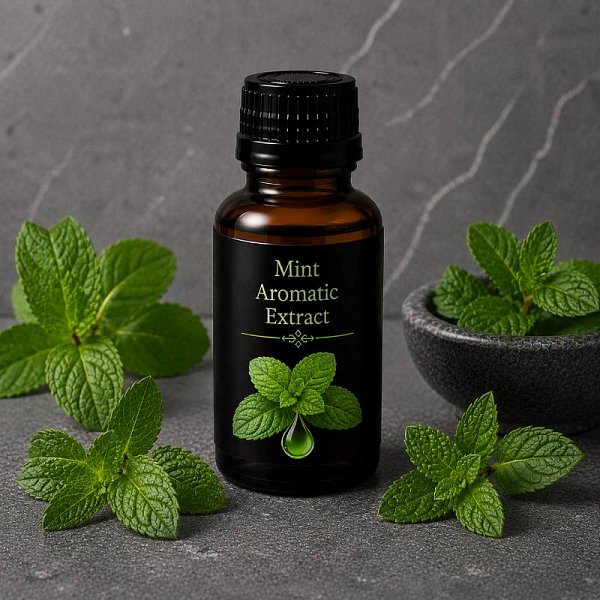
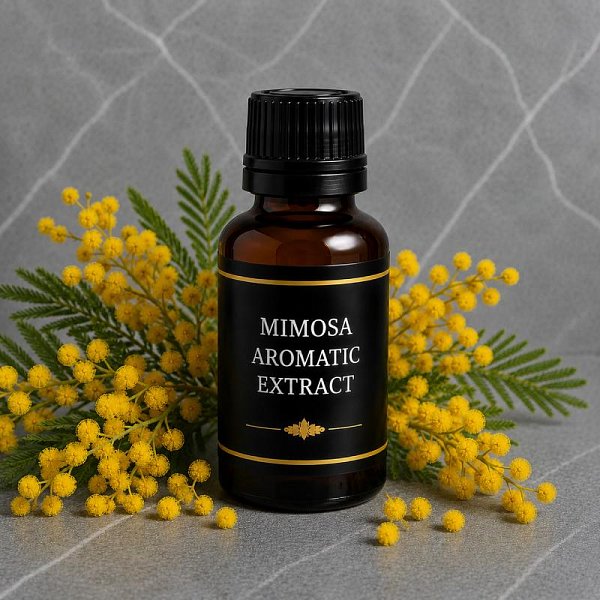
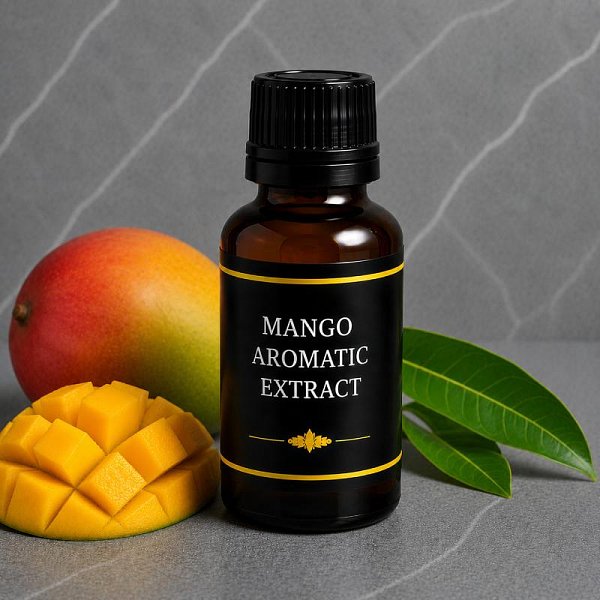
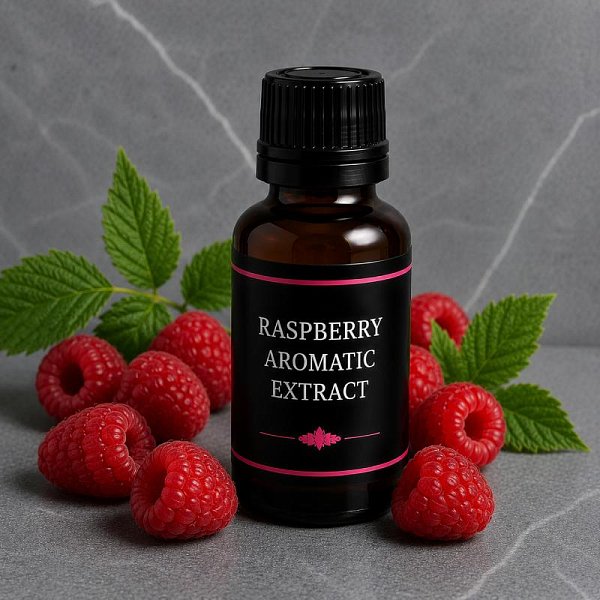
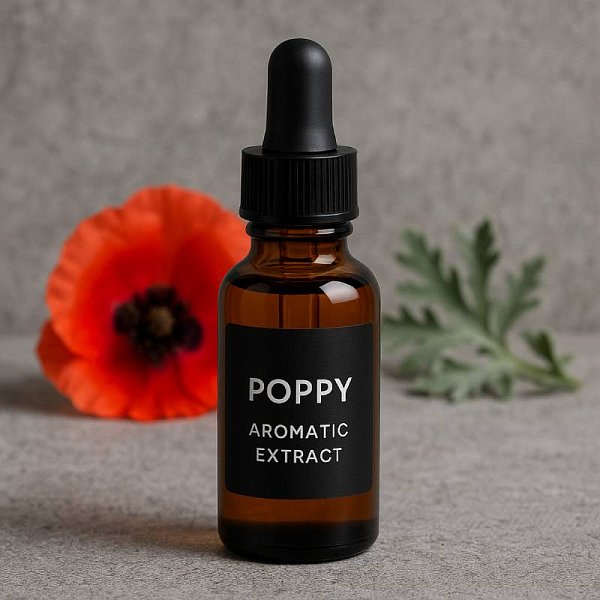
Natural aromatic extracts are concentrated botanical materials drawn from flowers, fruits, herbs, bark and resins. The section gathers positions of varying concentration and base suited for creams, serums, emulsions and balms. Forms differ in solubility and phase: some disperse readily in the water phase while others integrate better into the oil phase, allowing selection without compromising formula stability.
Many extracts combine scent contribution with effects on texture and tone. Liquid options on water-alcohol-glycerin bases are frequently paired with higher-concentration versions for layered profiles. Botanical Extracts provide a broad selection of bases and intensities overall. Related raw materials are collected in the absolutes and essential oils sections.
Selection guidance and specifications
Choice considers solubility, base compatibility and typical input percentage. Floral extracts usually require lower percentages, whereas fruit and nut types can be used in slightly higher amounts for fuller impact. Packaging protects against light and oxidation; batch testing before full production helps maintain consistency across runs. Larger volumes are available via Aromatic Extracts Wholesale.
Applications in cosmetic formulas
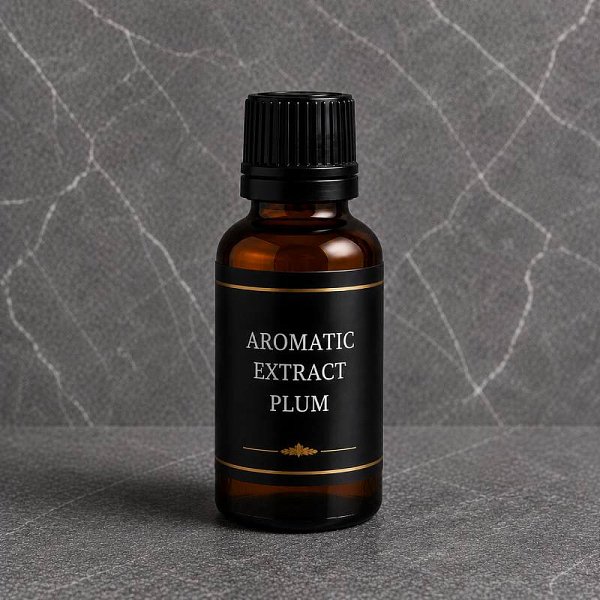
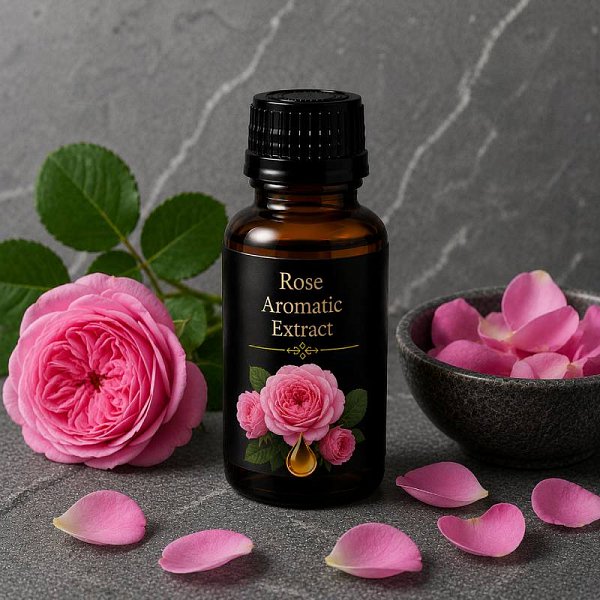
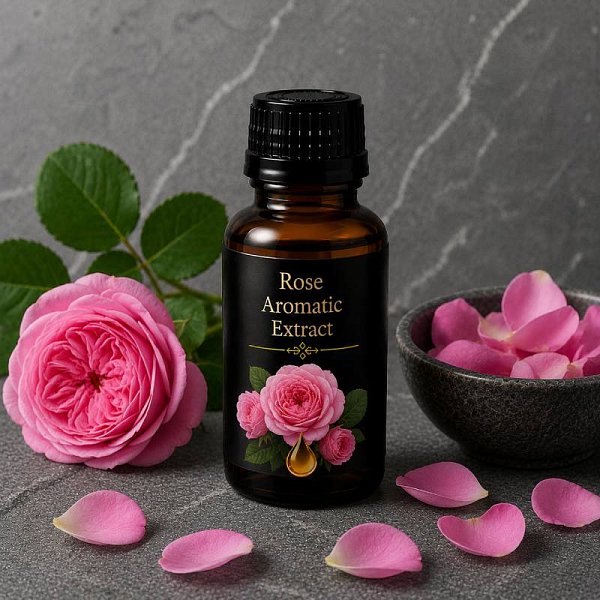
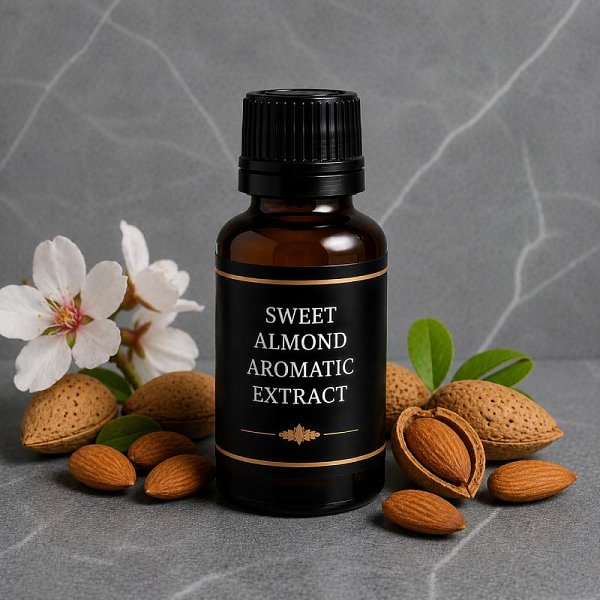
In cosmetics these extracts supply natural scent while supporting emulsion structure. Floral notes such as violet and rose add powdery accents to facial products, while fruit types like plum and prickly pear lend juicy character to body lotions. Herbal and gourmand profiles including thyme and sweet almond perform well in denser textures. Rose Aromatic Extract 5 ml exemplifies a delicate floral building block.
Use as raw material for dietary supplements and food
Private formulators and factories worldwide source these extracts as raw material for dietary supplements, beverages, confectionery and functional foods. They deliver natural aroma and flavor notes without altering processing characteristics. Production sites value batch consistency for serial output, while smaller operators employ them in developing proprietary recipes for the food and confectionery sectors.
Profile comparison and blending
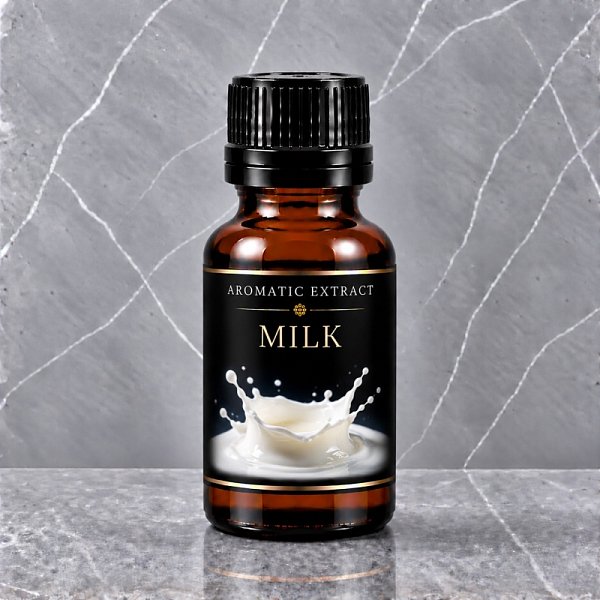
The range covers floral, fruit, spicy and gourmand directions. Fruit extracts provide juicy top notes, and nutty or milky ones serve as foundations for more complex blends. Combining allows layered scent construction, pairing lighter florals with warmer herbals for balanced results in finished products. Options from Fermented Extracts can add further textural nuances.
Storage and stability
Store raw material in a cool place away from direct light and moisture. Airtight containers preserve original characteristics throughout shelf life. Temperature control prevents shifts in color and scent, which is essential for maintaining formula quality over time.
FAQ
What bases are available for aromatic extracts?
The section includes oil, water-alcohol and glycerin bases that differ in solubility and recommended phase of addition.
Can extracts from different groups be combined?
Yes, floral, fruit and gourmand profiles are often blended to create multifaceted scent in a single formula.
What is the typical input percentage?
Recommended levels depend on concentration and type, commonly ranging from 0.1 to 2 percent according to desired intensity and base.
Are they suitable for food applications?
Yes, the extracts serve as raw material in dietary supplements, drinks and confectionery produced by factories and private formulators alike.



