-
 Absolutes
-
 Active Complexes
-
 Actives & Peptides
-
 Amino Acids & Proteins
-
 Food Flavors
-
 Ayurvedic Ingredients & Herbs
-
 Vitamins & Coenzymes
-
 Chocolate Making Supplies
-
 Thickeners & Gelling Agents
-
 Hydrosols & Floral Waters
-
 Hydrolyzed Proteins
-
 Fragrance Ingredients
-
 Nutraceutical Ingredients
-
 Acids, Salts, Alcohols & Alkalis
-
 Preservatives & Antioxidants
-
 Cosmetic Ingredients
-
 Colorants, Micas & Glitters
-
 Masks, Scrubs & Botanicals
-
 Oils & Butters
-
 Candle Making Supplies
-
 Melt and Pour Soap Bases
-
 Cream, Lotion & Hair Care Bases
-
 Fragrance Oils & Industrial Aromatics
-
 Cleansing Agents & Surfactants
-
 Peeling Actives & Acids
-
 Cosmetic Powders
-
 Solvents & Humectants
-
 Silicones & Conditioning Agents
-
 Bottles, Jars & Vials
-
 Silicone & Plastic Molds, Tools
-
 Botanical Extracts
-
 Cosmetic Emollients
-
 Emulsifiers
-
 Essential Oils


Melt and Pour Soap Base England
 Add to cart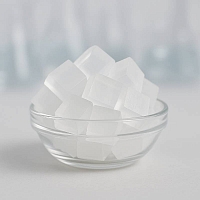


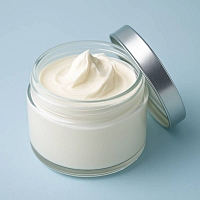
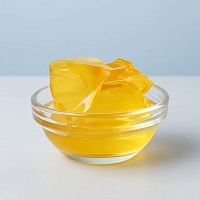
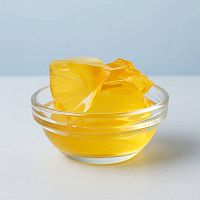
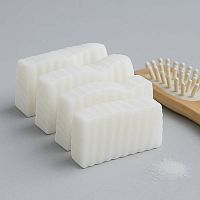
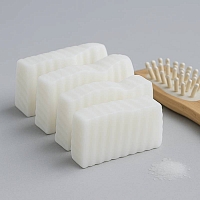
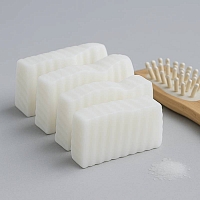
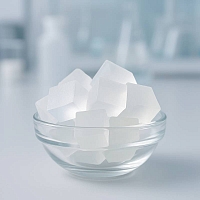
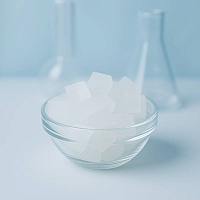
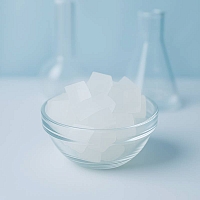
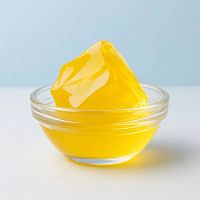
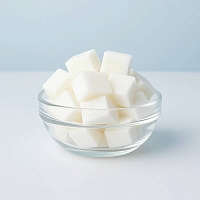
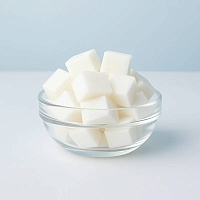
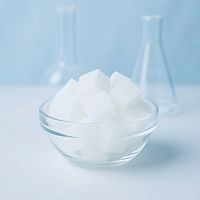
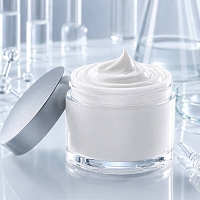
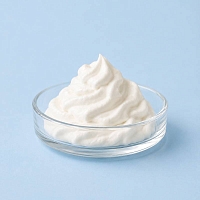
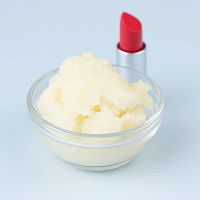
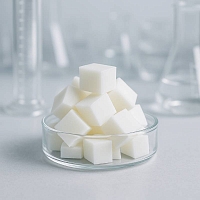
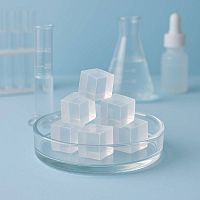
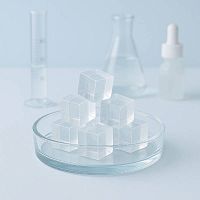
English glycerin bases for clear and opaque soap crafting
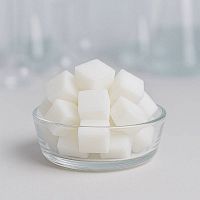
This section offers melt and pour soap base sourced from England, supplied as solid blocks ready for cutting, melting, and remolding. The range includes clear glycerin bases, white opaque bases, and enriched variants with shea butter, goat milk, or olive oil, giving soap makers a reliable starting material for handmade bars without working with caustic soda.
English bases are valued for their smooth melt, low sweating, and stable lather, which makes them suitable for detailed pours, embedded objects, and multi layer designs where clarity or a clean white finish matters. Crafters use them for guest soaps, gift sets, and everyday bars, blending in colorants, fragrance oils, and botanical additions after melting. For comparison or a different texture profile, the Soap Base Germany range offers an alternative origin, while buyers looking to combine several types in one order can browse the full Melt and Pour Soap Bases Wholesale selection.
Varieties within the English glycerin range
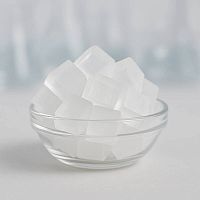
The clear base gives a glass-like finish that suits layered designs, suspended particles, and soaps where visible embeds are part of the appeal. The SLS Free Soap Base 500 g fits this group while leaving out sodium lauryl sulfate for makers who prefer a gentler surfactant profile.
White opaque blocks such as the White Soap Base WST 500 g and its larger counterpart, the White Soap Base WST 1 kg, deliver a clean, uniform color that works well as a base for pigments and titanium dioxide blends without any underlying tint showing through.
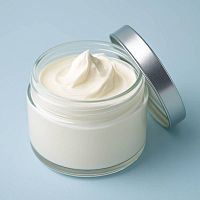
Enriched bases add functional oils and proteins directly into the melt. The Shea Butter Soap Base 1 kg brings extra fatty content for a creamier bar, the Goat Milk Soap Base 1 k introduces a milk protein component favored in gentle formulations, and the Cream Soap Base 1 kg has a softer, more pliable texture suited to whipped and piped soap designs. A specialty option, the Crystal Suspending Soap Base 500 g, is formulated to hold heavier additions like exfoliants or glitter in suspension instead of letting them settle at the bottom of the mold.
Choosing a base and building a recipe around it
Selection usually comes down to the finished look and the additions planned for the batch. Clear and suspending bases are the better fit when the goal is showing embedded objects or textured particles, while opaque and cream bases suit solid color work and softer bar textures.
Melting temperature, fragrance load tolerance, and how well a base accepts liquid colorants are the practical points to check before scaling up a recipe. Butters, milk powders, clays, and botanical extracts are commonly blended in after melting, and the base itself should be stable enough to hold these additions without becoming greasy or failing to set.
Origin and storage
The bases in this section are sourced from England, a long established origin for glycerin soap manufacturing known for consistent melt behavior across batches. Buyers comparing origins can also look at the Soap Base Belarus range for a different supply source and price point.
Blocks keep best sealed in their original packaging, away from direct sunlight and humidity, which helps prevent sweating and surface dulling before use. Cutting only the amount needed for a batch and resealing the remainder extends shelf life considerably.
FAQ
What is English glycerin soap base made of
It is a melt and pour base built on a glycerin and vegetable soap matrix, produced in solid blocks. Clear versions stay fully transparent after melting, while opaque and enriched versions include titanium dioxide, shea butter, goat milk, or olive oil for a creamier finish and feel.
How do you melt and use a glycerin soap base
Cut the block into cubes, melt gently in a double boiler or microwave in short bursts, then stir in fragrance oils, colorants, or botanicals once the temperature drops slightly. Pour into molds and let the bars set at room temperature before unmolding.
What is the difference between clear and opaque soap base
Clear base gives a glass like transparency, ideal for suspending embeds or building layered designs where visibility matters. Opaque white base hides additions and gives a smoother, more uniform bar, which many crafters prefer for creamy textures and enriched formulas.
How should melt and pour soap base be stored
Keep blocks wrapped and sealed in a cool, dry place away from direct sunlight and humidity, which can cause sweating or a cloudy surface over time. Proper storage keeps the base easy to melt cleanly and extends its usable shelf life before crafting.
Recommendations
Choose clear base for layered or embed designs where visibility matters, and opaque or enriched variants when a creamier finish or added shea butter, goat milk, or olive oil suits your recipe better. Check block size against your batch volume to reduce waste from repeated melting, and request a small trial quantity before committing to a larger order. Reach out by email to confirm current stock and place your order.