-
 Absolutes
-
 Active Complexes
-
 Actives & Peptides
-
 Amino Acids & Proteins
-
 Food Flavors
-
 Ayurvedic Ingredients & Herbs
-
 Vitamins & Coenzymes
-
 Chocolate Making Supplies
-
 Thickeners & Gelling Agents
-
 Hydrosols & Floral Waters
-
 Hydrolyzed Proteins
-
 Fragrance Ingredients
-
 Nutraceutical Ingredients
-
 Acids, Salts, Alcohols & Alkalis
-
 Preservatives & Antioxidants
-
 Cosmetic Ingredients
-
 Colorants, Micas & Glitters
-
 Masks, Scrubs & Botanicals
-
 Oils & Butters
-
 Candle Making Supplies
-
 Melt and Pour Soap Bases
-
 Cream, Lotion & Hair Care Bases
-
 Fragrance Oils & Industrial Aromatics
-
 Cleansing Agents & Surfactants
-
 Peeling Actives & Acids
-
 Cosmetic Powders
-
 Solvents & Humectants
-
 Silicones & Conditioning Agents
-
 Bottles, Jars & Vials
-
 Silicone & Plastic Molds, Tools
-
 Botanical Extracts
-
 Cosmetic Emollients
-
 Emulsifiers
-
 Essential Oils
- Forbury Direct Soap Base Wholesale 8
- Stephenson Soap Base Wholesale 31
- Soap Base from England Wholesale 46
- Soap Base Belarus Wholesale 25
- Soap Base Germany Wholesale 6
- Israeli Soap Bases Wholesale 11
- Italian Soap Base Wholesale 5
- Soap base bulk supply 10
- Soap Base Ukrainian Wholesale 20
- Soap Base France Wholesale 14
- Bases for Shampoo, Cream, and Balm Wholesale 63


Soap Base Ukrainian Wholesale

 Add to cart


 Subscribe
Melt and pour bases for handmade and industrial soap lines
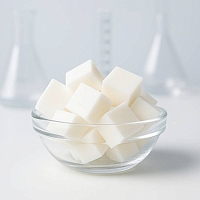
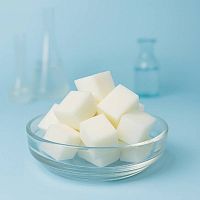
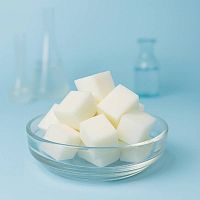
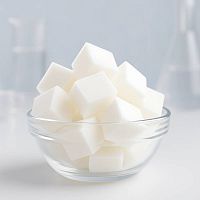
This section covers melt and pour soap base supplied in bulk directly from Ukraine, including transparent, white, cream, and specialty formulations built on glycerin, shea, goat milk, and other common blends. Buyers can source everything from small trial blocks for a home workshop to full pallets for a manufacturing line, all drawn from the same wholesale stock.
Soap base is the starting material for melt and pour soap making, letting producers skip raw saponification and move straight to coloring, scenting, and molding finished bars. It suits craft studios making small batches for local markets as well as larger production setups that need consistent texture and predictable melting behavior across every batch.
Buyers comparing origin and texture often also look at Soap Base from England Wholesale or Soap Base Belarus Wholesale to weigh differences in clarity, hardness, and lather before settling on a supplier.
Types of melt and pour base and how they differ
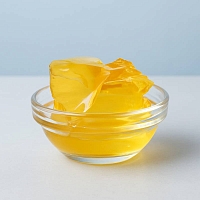
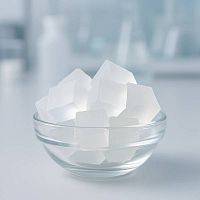
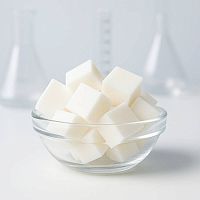
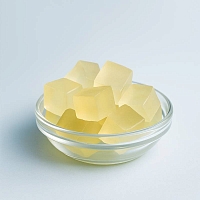
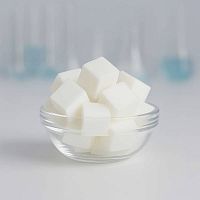
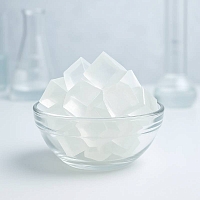
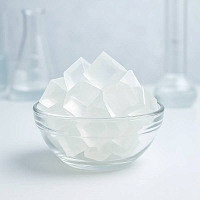
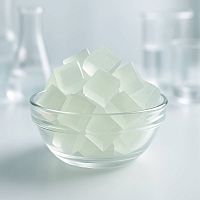
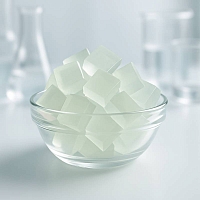
Clear glycerin bases such as Neri Glassy Base Soap Base 12 kg and its larger Neri Glassy Base Soap Base 96 kg block are built for visual effects, letting embedded objects, layered colors, and suspended particles stay visible through the finished bar. White bases like Neri White Base Soap Base 12 kg and Neri White Base Soap Base 96 kg give an opaque, even canvas that holds pigment true to shade, which matters when a recipe calls for precise, repeatable color matching across a production run.
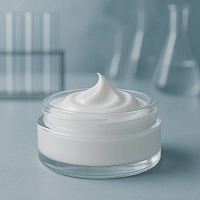
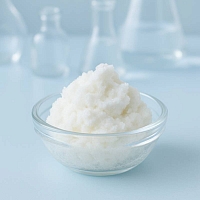
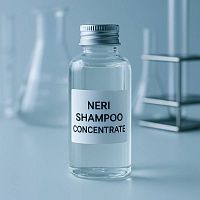
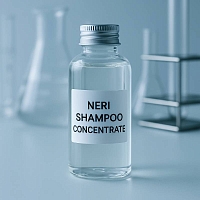
Beyond clarity and opacity, formulation differences shift the working properties of the base. Neri Olive Soap Base 12 kg carries a higher oil content that softens lather and adds slip, while Neri Cream Soap Base 12 kg has a denser, opaque texture closer to a whipped consistency, useful for bars meant to feel richer on the skin. A liquid option, Neri Shampoo Concentrate 1 L, extends the same product family into pourable wash formats rather than solid bars.
Choosing a base and building a recipe around it
Selection usually starts with the finished look and feel a producer wants: transparency for decorative or novelty bars, opacity for solid color work, or a creamier base for a softer bar texture. Melting point and pour consistency also matter for batch size, since a base that sets too quickly can limit how much time is available for coloring, scenting, and layering before it firms up in the mold.
Once a base is chosen, it typically gets combined with fragrance oils, cosmetic colorants, and functional additives such as exfoliants or plant extracts, all mixed in once the base is melted and before it is poured. Because these bases are a raw material rather than a finished formula, the same block can support a wide range of recipes, from simple single-color bars to more elaborate layered or textured designs, depending on what is blended in at the pour stage.
Origin and storage
The soap base stocked in this section is sourced from Ukraine, giving buyers a domestic supply option alongside imported alternatives such as Soap Base Germany Wholesale. Blocks should be stored in a cool, dry place, wrapped to limit air exposure, since prolonged contact with humidity can cause a base to sweat or develop a cloudy surface over time. Unopened blocks generally hold their working properties well across a typical production cycle, which makes bulk purchasing practical for studios and manufacturing lines that plan orders several months ahead.
FAQ
What is the difference between clear and white melt and pour soap base?
Clear glycerin base is transparent, ideal for layered or embed designs where visibility matters. White base contains an opacifier, giving a smoother, opaque finish that hides mineral additives and works well for solid color bars and creamy textures.
How much melt and pour base do I need for a batch of bars?
A standard bar weighs around 100 grams, so a 1 kg block yields roughly 8 to 10 bars depending on mold size. For trial runs, small blocks work well, while pallet quantities suit production lines running regular batches.
How should melt and pour soap base be stored before use?
Keep blocks wrapped and away from direct sunlight, moisture, and temperature swings, ideally below 25 degrees Celsius. Properly stored base holds its melting consistency and clarity for many months without sweating or discoloring.
Can melt and pour base be combined with goat milk or shea additions?
Yes, many formulations already include shea or goat milk blended into the base itself, and additional oils, butters, or milk powders can be melted in during preparation for extra richness, provided ratios stay balanced to avoid a soft or greasy final bar.
Recommendations
When choosing a melt and pour base, match the block to your finished design first: clear glycerin for layered or embed work, white or cream bases for solid opaque bars, and specialty blends like goat milk or shea where added richness matters. For trial batches, start with a smaller block size before committing to pallet volumes, and check how the base behaves with your usual fragrance and color additions. To place an order or ask about available block sizes, reach out by email and our team will help match the base to your production scale.



