-
 Absolutes
-
 Active Complexes
-
 Actives & Peptides
-
 Amino Acids & Proteins
-
 Food Flavors
-
 Ayurvedic Ingredients & Herbs
-
 Vitamins & Coenzymes
-
 Chocolate Making Supplies
-
 Thickeners & Gelling Agents
-
 Hydrosols & Floral Waters
-
 Hydrolyzed Proteins
-
 Fragrance Ingredients
-
 Nutraceutical Ingredients
-
 Acids, Salts, Alcohols & Alkalis
-
 Preservatives & Antioxidants
-
 Cosmetic Ingredients
-
 Colorants, Micas & Glitters
-
 Masks, Scrubs & Botanicals
-
 Oils & Butters
-
 Candle Making Supplies
-
 Melt and Pour Soap Bases
-
 Cream, Lotion & Hair Care Bases
-
 Fragrance Oils & Industrial Aromatics
-
 Cleansing Agents & Surfactants
-
 Peeling Actives & Acids
-
 Cosmetic Powders
-
 Solvents & Humectants
-
 Silicones & Conditioning Agents
-
 Bottles, Jars & Vials
-
 Silicone & Plastic Molds, Tools
-
 Botanical Extracts
-
 Cosmetic Emollients
-
 Emulsifiers
-
 Essential Oils
- Gel Food Coloring Wholesale 39
- Cosmetic Pigments Wholesale 17
- Lipstick Pigments Wholesale 40
- Chocolate Colorants Wholesale 10
- Liquid Migrating Dyes Wholesale 24
- Oil Soluble Liquid Dyes Wholesale 17
- Liquid Ultra Pigments Wholesale 11
- Food Coloring Powders Wholesale 20
- Phosphors and Luminescent Powders Wholesale 21
- Natural colorants Wholesale 39
- Liquid Mica Pigments Wholesale 13
- Pearlescent Pigments Wholesale 222
- Liquid Pigments Wholesale 37
- Wholesale synthetic dyes 9
- Blended colorants Wholesale 33
- Oil Soluble Dye Powders Wholesale 11
- Pigment Powders Wholesale 16
- Fluorescent Neon Pigments Wholesale 55
Oil Soluble Dye Powders Wholesale
 Add to cart
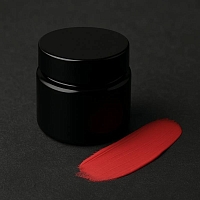
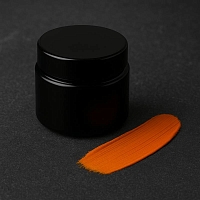
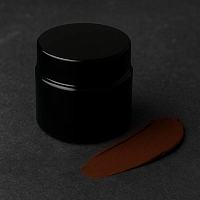
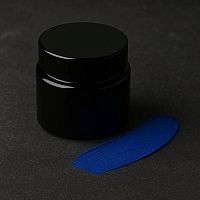
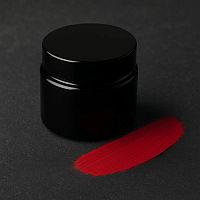
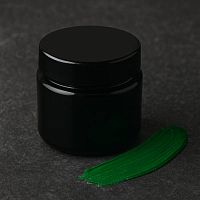
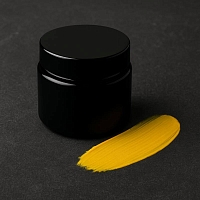
Concentrated color pigments for lipid based formulations
Oil soluble dye powders are concentrated pigments engineered to disperse evenly in fats, waxes, and oils without clumping or streaking. Formulators use them to build stable, uniform color into lipid based bases where water soluble dyes would separate or fail to bind. The range covers a spectrum of shades, letting a lab match a specific tone or blend several powders to reach a custom color.
Because these pigments bind to fatty carriers rather than water, they suit a wide span of oil based and emulsion products, including lip balms, body butters, massage oils, bath bombs, and molded decorative pieces. Formulators also rely on them for tinting candle wax and oil blends where color needs to stay locked into the fat phase rather than migrate or fade. For labs already working with liquid colorants, the Liquid Migrating Dyes Wholesale range offers a fluid alternative for layered or marbled effects, while the Liquid pigments wholesale selection covers pre dispersed color for faster mixing into finished bases. For test formulations, you can buy oil based food coloring powder at retail in small packs.
Shade Range and How the Powders Differ
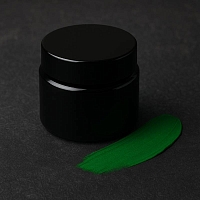
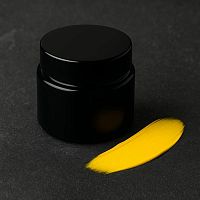
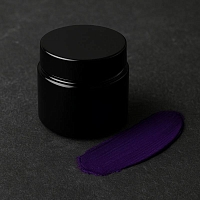
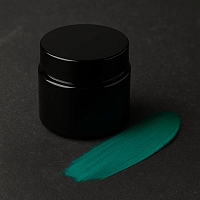
The core shade lineup covers primary and secondary tones, so a lab can either use one powder straight from the jar or blend two or three to land on a custom hue. The Red Color Powder (fat-soluble) 1 kg and Yellow Color Powder (fat-soluble) 1 kg work as base tones for warm blends, while Blue Color Powder (fat-soluble) 1 kg pairs with either to shift a batch toward cooler or deeper results.
Beyond the primaries, the range extends into ready mixed tones that save a formulator the extra blending step. Bright Green Color Powder (fat-soluble) 1 kg, Green Color Powder (fat-soluble) 1 kg, Violet Color Powder (fat-soluble) 1 kg, and Orange Color Powder (fat-soluble) 1 kg differ mainly in tinting strength and undertone, which affects how much powder a recipe needs to reach full saturation versus a soft pastel wash.
Choosing a Shade and Building a Formula
Selection usually starts with the base itself. A clear oil or light wax shows color at a lower dosage, while a dense butter or opaque wax base needs a stronger pigment load to read clearly once the product sets. Testing a small batch first helps confirm the final shade, since oil soluble pigments can look different in liquid form than once the fat phase cools and hardens.
These powders combine easily with other fat phase ingredients already common in a formulator's bench: carrier oils, butters, waxes, and other lipid additives that make up the base of balms, bars, and molded pieces. For projects that call for movement or shimmer rather than flat color, the Pigment Powders Wholesale section adds mica and shimmer options that layer well alongside a solid oil soluble base tone.
Origin and Storage Notes
The oil soluble dye powders in this range are sourced from India. Keeping the containers sealed, dry, and away from direct light preserves both the tinting strength and the shade consistency between batches, since powder pigments are sensitive to moisture clumping over time. A cool, stable storage spot also keeps the color payoff predictable each time a new batch is opened for production.
Frequently asked questions
Can oil soluble dye powders be mixed with water based formulations?
No, these pigments are formulated to bind with fats and oils, not water. In a water based mix they will clump or float instead of dispersing. For water based products, a water soluble colorant is the correct choice instead.
How much oil soluble powder is needed to color a batch?
Usage rates depend on the shade intensity desired and the base being tinted, so most labs start with a small test amount and build up gradually. Because the pigment is concentrated, only a small percentage of the total batch weight is typically required to reach a visible color.
Can different oil soluble dye powders be blended to create a custom shade?
Yes, the powders are designed to be combined, so a lab can mix two or more shades to reach a specific custom tone. Testing a small sample batch first helps confirm the blended color holds steady once it sets in the final base.
How should oil soluble dye powders be stored to keep their color strength?
Keep the powders sealed, dry, and away from direct sunlight and heat, since prolonged light exposure can gradually dull pigment intensity over time. A cool, dark storage area helps the color stay consistent across multiple production batches.
Recommendations
When choosing an oil soluble dye powder, match the shade to your base by running a small test batch first, since the final color can shift slightly depending on the oils, waxes, or fats used in the formulation. Pay attention to how finely the pigment disperses and whether it holds steady without settling once the base cools or sets. If you are unsure which shade or particle grade fits your production line, our team is glad to help you narrow down the right pick. Reach out by email with details on your base and target color, and we will help you plan a batch suited to your formulation.



