-
 Absolutes
-
 Active Complexes
-
 Actives & Peptides
-
 Amino Acids & Proteins
-
 Food Flavors
-
 Ayurvedic Ingredients & Herbs
-
 Vitamins & Coenzymes
-
 Chocolate Making Supplies
-
 Thickeners & Gelling Agents
-
 Hydrosols & Floral Waters
-
 Hydrolyzed Proteins
-
 Fragrance Ingredients
-
 Nutraceutical Ingredients
-
 Acids, Salts, Alcohols & Alkalis
-
 Preservatives & Antioxidants
-
 Cosmetic Ingredients
-
 Colorants, Micas & Glitters
-
 Masks, Scrubs & Botanicals
-
 Oils & Butters
-
 Candle Making Supplies
-
 Melt and Pour Soap Bases
-
 Cream, Lotion & Hair Care Bases
-
 Fragrance Oils & Industrial Aromatics
-
 Cleansing Agents & Surfactants
-
 Peeling Actives & Acids
-
 Cosmetic Powders
-
 Solvents & Humectants
-
 Silicones & Conditioning Agents
-
 Bottles, Jars & Vials
-
 Silicone & Plastic Molds, Tools
-
 Botanical Extracts
-
 Cosmetic Emollients
-
 Emulsifiers
-
 Essential Oils
- Absolutes 55
- Active Complexes 265
- Actives & Peptides 4845
- Amino Acids & Proteins 71
- Food Flavors 2097
- Ayurvedic Ingredients & Herbs 220
- Vitamins & Coenzymes 108
- Chocolate Making Supplies 109
- Thickeners & Gelling Agents 101
- Hydrosols & Floral Waters 139
- Hydrolyzed Proteins 87
- Fragrance Ingredients 44
- Nutraceutical Ingredients 797
- Acids, Salts, Alcohols & Alkalis 112
- Preservatives & Antioxidants 132
- Cosmetic Ingredients 8491
- Colorants, Micas & Glitters 1423
- Masks, Scrubs & Botanicals 1259
- Oils & Butters 1711
- Candle Making Supplies 542
- Melt and Pour Soap Bases 341
- Cream, Lotion & Hair Care Bases 89
- Fragrance Oils & Industrial Aromatics 6527
- Cleansing Agents & Surfactants 140
- Peeling Actives & Acids 57
- Cosmetic Powders 325
- Solvents & Humectants 37
- Silicones & Conditioning Agents 91
- Bottles, Jars & Vials 3927
- Silicone & Plastic Molds, Tools 6071
- Botanical Extracts 3614
- Cosmetic Emollients 108
- Emulsifiers 304
- Essential Oils 606


Cleansing Agents & Surfactants
 Add to cart
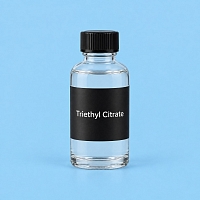
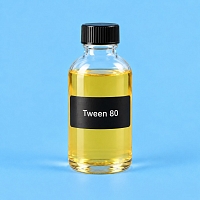
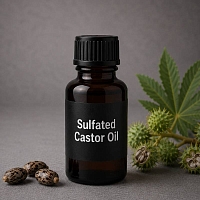
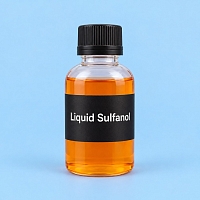
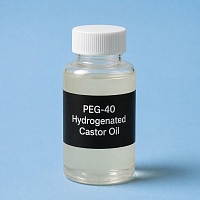

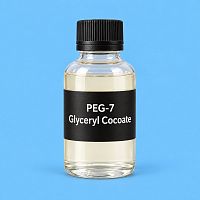
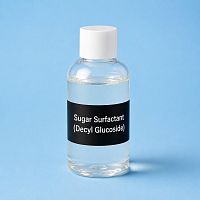
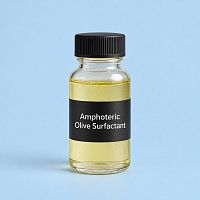
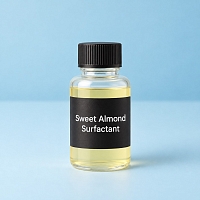
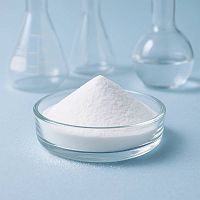
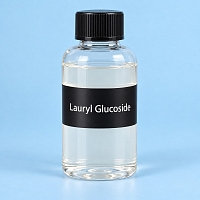
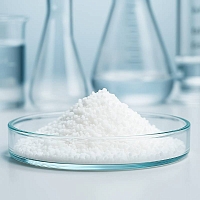
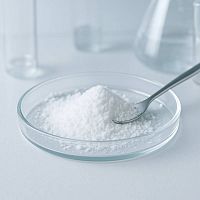
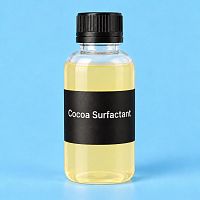
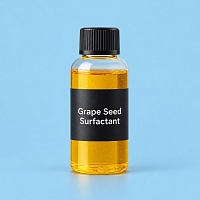

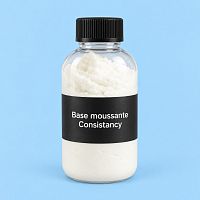
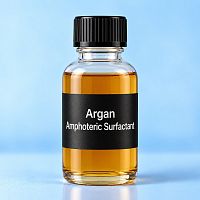
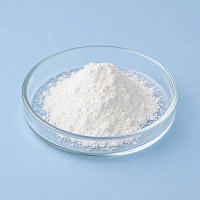

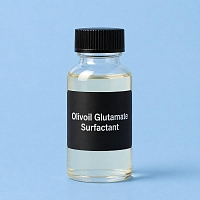

Cleansing and foaming agents for shampoos lotions and creams
Surfactants are the functional building blocks behind foam, cleansing power, and texture in liquid and cream cosmetic formulas. This section covers a range of anionic, amphoteric, nonionic, and mild coconut derived surfactants used to create shampoos, shower gels, facial cleansers, micellar waters, and liquid soaps, along with co surfactants that stabilize foam and adjust viscosity.
These raw materials work across a wide span of formulations, not only rinse off cleansers but also emulsions, creams, and lotions, where surfactants help disperse oils and actives evenly through a water phase. Formulators combine them with thickeners, conditioning agents, and botanical additives such as those found in Face Masks, Scrubs, and Dried Flowers to build multi step skincare and haircare lines. Colorants and shimmer effects from Dyes, Pearlescents, and Glitters are frequently layered into surfactant based bases for visual appeal in finished products.
Because surfactant strength, mildness, and foam quality vary widely between types, formulators select blends based on skin sensitivity requirements, desired viscosity, and the intended finished product category, whether a gentle facial wash or a robust industrial degreasing cleanser.
Anionic, amphoteric, and mild coconut derived options
Within this category, anionic surfactants such as Sodium Laureth Sulfate 50 g deliver strong foaming and grease removal, making them a common backbone for shampoos and shower gels. Milder cleansing agents like Sodium Cocoyl Isethionate 25 g work well where a soft, low irritation profile is needed, including facial washes and products intended for sensitive skin.
Amphoteric surfactants such as Cocamidopropyl Betaine 45% 100 ml act as co surfactants that soften the profile of harsher primary surfactants while boosting foam density and stability. Fatty acid amides like Cocamide DEA 100 ml, Cocamide MEA 30 g, and Cocamide MEA 100 g thicken formulas and stabilize foam texture, while Laureth 7 50 ml functions as a nonionic emulsifier and solubilizer that helps blend oils and fragrance into water based systems.
Choosing a surfactant and building a formula
Selection depends on the target product category, desired mildness, and how the finished texture should feel. A gentle facial cleanser calls for milder primary surfactants paired with a betaine type co surfactant, while a body wash or industrial degreasing cleanser can rely on stronger anionic bases for higher foam and cleaning power.
Plant based cleansing options such as Soap nuts, 100 g offer a naturally derived saponin source used in gentler formulations, while Surfactant Cocoa 25 g and Sweet Almond surfactant 25 g bring conditioning properties alongside cleansing, useful in shampoo and lotion bases where skin or scalp feel matters. Alkaline builders like Sodium Carbonate 50 g are sometimes used to adjust pH or water hardness in cleansing formulations. Many formulators also pair surfactant systems with tools and containers from Molds, Packaging, Tools when preparing and packaging finished batches.
Origin and storage considerations
Surfactants in this range originate from established chemical and cosmetic ingredient producers across France, Germany, Italy, India, Poland, Switzerland, the United States, and China, reflecting the diversity of manufacturing standards available for formulators sourcing at different scales.
Most liquid surfactants and amides should be stored in tightly closed containers away from direct heat and sunlight, since prolonged exposure can affect viscosity and clarity. Powdered forms, such as isethionate based options, keep best in dry conditions to prevent clumping before use in a formula.
FAQ
What is the difference between anionic and amphoteric surfactants in cosmetic formulas
Anionic surfactants deliver strong cleansing and rich foam, making them common in shampoos and shower gels, while amphoteric types are milder and often blended in to reduce irritation potential and balance overall foam texture. Formulators frequently combine both to achieve cleansing power alongside a gentler skin feel.
Can these surfactants be used in cream and lotion formulas, not just liquid soap
Yes, many surfactants in this category function as emulsifying or dispersing agents in creams and lotions, helping oils and active ingredients blend evenly through a water phase. Their role extends well beyond rinse off products into everyday emulsion based skincare.
How do I choose a mild surfactant for a facial cleanser
Look for coconut derived or amphoteric options known for lower irritation potential and gentle foam. Testing at low use levels first helps confirm compatibility with your other actives and desired viscosity before scaling a full batch.
What causes foam to be unstable or thin in a shampoo formula
Unstable foam is often linked to surfactant concentration, water hardness, or a missing co surfactant that stabilizes bubble structure. Adding a foam booster or adjusting the surfactant blend ratio typically resolves thin or short lived foam.
How should liquid surfactants be stored before use
Store containers tightly closed at stable room temperature, away from direct sunlight and temperature swings, since some surfactants can thicken or separate in cold conditions. Always check the container for a shelf life reference and use within that window.
Recommendations
When choosing a surfactant for a specific formula, start with the end product in mind: a facial cleanser calls for a milder, low irritation blend, while a shower gel or liquid soap can work with a stronger primary surfactant paired with a co surfactant for foam stability. Small scale testing before a full batch helps confirm viscosity, foam texture, and skin feel match your expectations. For questions on batch availability or formulation compatibility, reach out by email and our team will help match the right raw material to your production needs.