Why a Coconut-Derived Surfactant Works So Well in Foaming Formulas
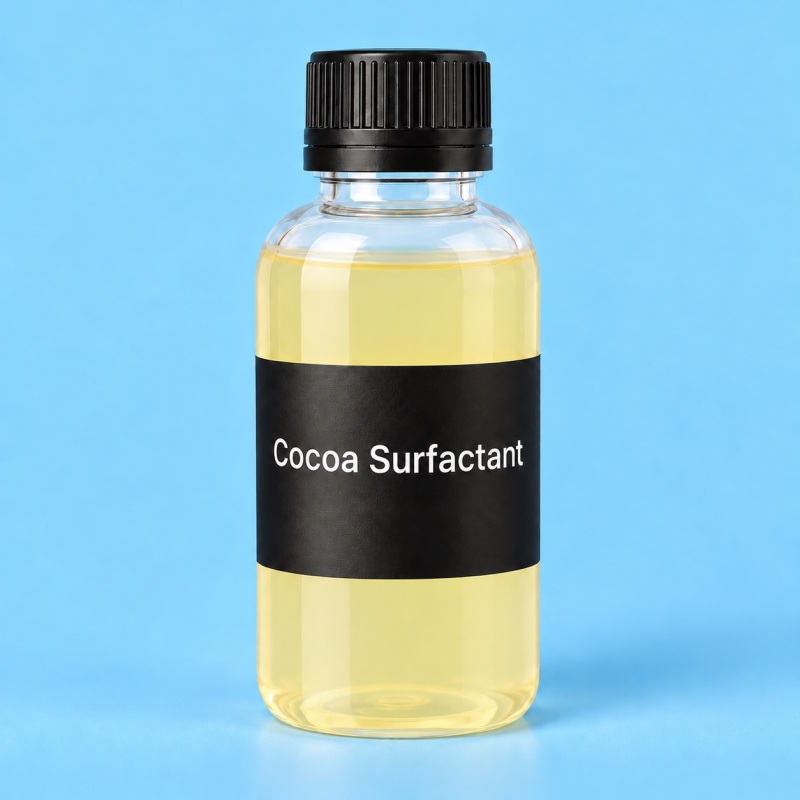
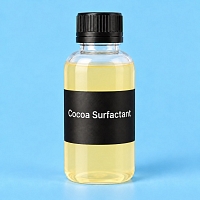
Surfactant Cocoa is a mild coconut oil-derived surfactant that belongs to the category of Surfactants, a broad group of ingredients responsible for foaming, cleansing action, and emulsion stability across many industries. Despite the name, the ingredient has nothing to do with cacao beans - it is an amphoteric surfactant obtained from coconut fatty acids, valued for its gentle behavior on skin and mucous membranes. This is exactly why it is widely used in shampoos, shower gels, facial cleansers, baby care products, and intimate hygiene formulas.
The largest demand for this raw material comes from the cosmetic industry, where it acts as a co-surfactant, softening the harshness of stronger anionic surfactants while improving foam density and stability. The second major demand segment is household chemistry: dish soaps, gentle laundry detergents, and car shampoos designed to be less harsh on hands. In food and pharmaceutical auxiliary production such surfactants are sometimes used as mild emulsifying agents, while in industrial chemistry they serve as components of technical cleaning solutions where biodegradability and moderate foaming are required.
When building formulas, Surfactant Cocoa pairs well with anionic surfactants, particularly with Sodium Laureth Sulfate, softening its irritation potential and making the foam denser and finer. It also blends nicely with nonionic co-surfactants such as PEG-7 Glyceryl Cocoate, which adds extra mildness and a silky feel on skin. For formulas built around plant-based conditioning complexes, it is worth combining this surfactant with PROTEOL OAT, an oat-derived ingredient that enhances softness and reduces the feeling of dryness after rinsing.
The ingredient should be introduced during the water phase mixing step, at around 40-50 degrees Celsius, gradually and under constant stirring to avoid excessive foam buildup at the start. Typical dosage in finished formulas ranges from 3 to 15 percent of the total mass depending on the desired foam density and mildness, while industrial production lines can fine-tune the ratio after laboratory trials. The 1 kg pack size is well suited for small-batch and studio-scale production, as well as for lab trials before scaling up to a larger purchase volume.
Store the raw material in a tightly closed container, in a dry place away from direct sunlight, at room temperature, avoiding sharp temperature swings and freezing. Under proper storage conditions the product retains its stability and working properties throughout the shelf life declared by the manufacturer.
Everyday Foaming Hand Wash
Distilled water 650 ml
Surfactant Cocoa 180 g
Sodium Laureth Sulfate 80 g
PEG-7 Glyceryl Cocoate 40 g
Glycerin 25 ml
Preservative 8 ml
Fragrance 12 ml
Warm the water to about 40 degrees Celsius and slowly add Surfactant Cocoa while stirring gently until fully dissolved. Introduce Sodium Laureth Sulfate and PEG-7 Glyceryl Cocoate, mixing until the blend turns smooth and uniform. Let the mixture cool slightly, then stir in glycerin, preservative, and fragrance, blending thoroughly before pouring the finished wash into a pump bottle.