
-
 Absolutes
-
 Active Complexes
-
 Actives & Peptides
-
 Amino Acids & Proteins
-
 Food Flavors
-
 Ayurvedic Ingredients & Herbs
-
 Vitamins & Coenzymes
-
 Chocolate Making Supplies
-
 Thickeners & Gelling Agents
-
 Hydrosols & Floral Waters
-
 Hydrolyzed Proteins
-
 Fragrance Ingredients
-
 Nutraceutical Ingredients
-
 Acids, Salts, Alcohols & Alkalis
-
 Preservatives & Antioxidants
-
 Cosmetic Ingredients
-
 Colorants, Micas & Glitters
-
 Masks, Scrubs & Botanicals
-
 Oils & Butters
-
 Candle Making Supplies
-
 Melt and Pour Soap Bases
-
 Cream, Lotion & Hair Care Bases
-
 Fragrance Oils & Industrial Aromatics
-
 Cleansing Agents & Surfactants
-
 Peeling Actives & Acids
-
 Cosmetic Powders
-
 Solvents & Humectants
-
 Silicones & Conditioning Agents
-
 Bottles, Jars & Vials
-
 Silicone & Plastic Molds, Tools
-
 Botanical Extracts
-
 Cosmetic Emollients
-
 Emulsifiers
-
 Essential Oils
- Cosmetic Jars 391
- Bottles for cosmetics, dispensers, sprayers 863
- Laboratory glassware 22
- Measuring laboratory 23
- Plastic Packaging 878
- Plastic containers 19
- Perfume testers 36
- Glass Packaging, Bottles, and Jars 276
- Perfume Packaging 339
- Diffuser Bottles & Sticks 24
- Metal perfume atomizers 10
- Wholesale Jars, Bottles and Packaging Containers 2327
- Plastic Containers Large Wholesale 49
Plastic containers
 Add to cart

 Subscribe


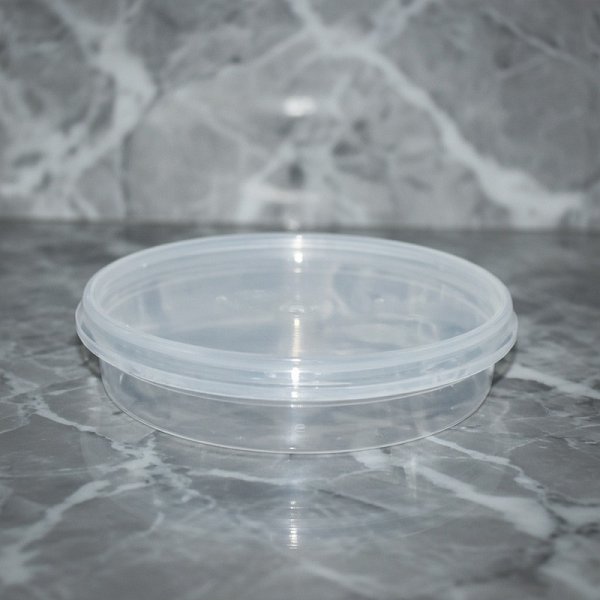


Packaging solutions for creams lotions and serums
This section offers plastic containers used for packaging finished cosmetic products, from thick creams and balms to lighter lotions and gels. The range covers different capacities, wall thicknesses and cap styles, giving formulators options for texture, viscosity and intended use of the product inside.
These containers work across a wide span of cosmetic categories, including face and body creams, scrubs, masks, balms and multi purpose skincare blends produced at home or on an industrial scale. Some formulators pair plastic containers with cosmetic jars for smaller trial batches, while larger production runs often draw from the broader packaging containers jars and bottles selection to match volume needs.
Material choice and closure type affect how a formulation behaves during storage and use, so container selection is often adjusted depending on the consistency and active ingredients of the final product.
Container types and how they differ
Within this category, containers vary mainly by wall thickness, neck diameter and closure mechanism. Thicker walled jars tend to suit richer balms and thick creams that need structural support, while thinner walled options work well for lighter lotions, gels and lower viscosity emulsions. Neck width also matters: wide mouth jars make it easier to scoop thicker textures with a spatula, whereas narrower necks paired with pumps or dropper caps suit fluid serums and treatment products dispensed in small doses.
Closure style is another point of difference. Screw caps, flip top lids, disc caps and pump dispensers each affect how a product is accessed and how well it is protected from air exposure during repeated use. Formulators working with oxygen sensitive actives often lean toward closures that limit air contact, while simpler screw cap jars remain a practical choice for everyday creams and body balms where oxidation is less of a concern.
Choosing the right container for a formulation
Selecting a container usually starts with the texture and viscosity of the finished product. A dense balm behaves differently in storage than a runny lotion, and container shape, wall rigidity and cap type should match that behavior to prevent leaking, air pockets or difficulty dispensing. Batch size is another practical factor, since small trial runs and full production batches call for different capacities and case pack quantities.
Compatibility with active ingredients also plays a role, particularly for formulations containing oils, humectants or preservative systems sensitive to prolonged plastic contact. For teams comparing packaging formats side by side, the Glass Packaging, Bottles, and Jars range offers an alternative for formulas where material inertness is a priority, while broader Plastic Packaging options extend the same plastic format across other product types beyond creams and lotions.
Related packaging and production tools
Producers scaling up from small batches often need supporting equipment alongside containers themselves. Measuring laboratory tools help maintain consistent fill volumes across a production run, while Laboratory glassware supports formulation and testing stages before a product reaches its final container.
For higher volume operations, the Plastic Containers Large Wholesale selection covers bulk quantities suited to industrial scale packaging needs. Formulators working on fragranced products may also look toward Perfume Packaging, Metal perfume atomizers and Perfume testers when a project extends beyond creams and lotions into scent based product lines. Keeping containers stored in a dry area away from direct heat helps preserve cap seal integrity and prevents warping before filling begins.
FAQ
What size plastic containers are available for cream and lotion packaging
Capacities typically range from small trial batch sizes suited to sample runs up to larger volumes for production scale filling. Wall thickness and neck diameter vary alongside capacity, so formulators can match container size to batch quantity and product viscosity.
What cap or closure options work best for thick creams versus lighter lotions
Thicker creams and balms are usually paired with wide neck openings and screw caps that allow easy scooping, while lighter lotions and gels often use narrower necks with disc top or pump closures for controlled dispensing without spillage.
Can the same plastic jar be used for both cosmetic and industrial scale production
Yes, many container styles suit both home based formulation and larger production runs. Smaller counts work well for testing new formulas, while the same design is often available in bulk quantities once a recipe is finalized for scale.
How should plastic cosmetic containers be stored before filling
Store containers in a dry area away from direct heat or sunlight to prevent warping or discoloration before use. Keeping them in original packaging until filling helps avoid dust buildup and maintains a clean surface for product contact.
Recommendations
When choosing containers for creams, lotions or serums, match wall thickness and closure type to the texture and weight of the formulation, thicker balms generally need sturdier jars while fluid lotions pair better with pumps or disc caps. Consider batch size as well, since smaller counts suit trial runs and larger quantities fit production schedules. To place an order or ask about available sizes and closures, reach out by email and our team will help identify the right fit for your formulation.



