-
 Absolutes
-
 Active Complexes
-
 Actives and Peptides for Cosmetics
-
 Amino Acids
-
 Food Flavorings
-
 Ayurveda
-
 Vitamins
-
 Gelling Agents and Thickeners
-
 Hydrosols and Floral Waters
-
 Hydrolyzed Proteins
-
 Fragrant and aromatic substances
-
 Acids, Salts, Alcohols, and Alkalis
-
 Preservatives and Antioxidants
-
 Cosmetic Raw Materials
-
 Dyes, Pearlescents, and Glitters
-
 Face Masks, Scrubs, and Dried Flowers
-
 Oils, batters, macerates, oil mixtures
-
 Candle Supplies
-
 Melt and Pour Soap Bases
-
 Base for cosmetics, cream, serum, shampoo
-
 Fragrance Oils
-
 Surfactants
-
 Peelings for Skin
-
 Herbal Powders and Plant
-
 Silicones and Conditioning Surfactants for Hair
-
 Raw materials for dietary supplements
-
 Packaging for Cosmetics and Perfumes
-
 Molds, Packaging, Tools
-
 Organic Extracts
-
 Emollients for Cosmetics
-
 Emulsifiers
-
 Essential Oils


Phosphors and Luminescent Powders

 Add to cart


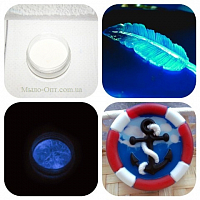


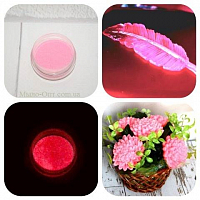

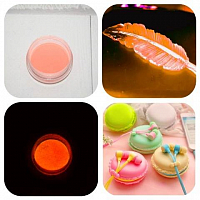


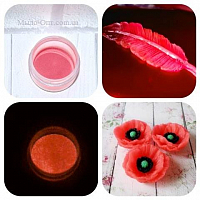


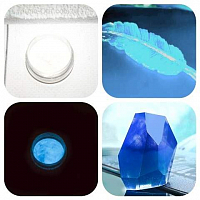
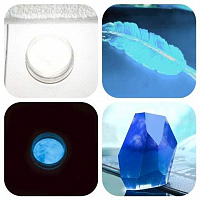


Люминофоры относятся к современным нетоксичным и безопасным аналогам фосфора.
Это пигментный краситель, имеющий свойства накапливать и отдавать солнечный свет в темноте. Широкое применение люминофоры, привело его к масштабному применению в косметологии. В основе, которых редкоземельные металлы, позволяющие создать эффект «послесвечения». Люминофоры пользуются большим спросом у мастеров нейл-арт и боди-арт в больших объемах.
Мыловары, используя люминофоры в мыловарении авторской работы, добавляют не больше 1,5% на кусок мыльной основы. Готовый продукт с добавлением люминофоры радует своим конечным результатом. Использую люминофоры для изготовления свечей, приятно порадуют и удивят гостей на праздники Хэллоуин, Новый год, сделают незабываемым романтический вечер.
Наша компания Мыло-опт.com.ua делает люминофоры доступными по самой низкой цене от 5 грамм!
Мы предлагаем:
- Люминофор Синий - 5 грамм.
- Люминофор Зеленый - 5 грамм.
- Люминофор Зеленый- 50 грамм.
- Люминофор Синий - 50 грамм.
Мы предлагаем люминофоры последнего образца производства, высокого качества.
- Фотолюминофоры — разновидность люминофоров, обладающих свойствами накапливать и сохранять энергию во время возбуждения её отдачи, они обладают собственным послесвечением.
- Катод люминофоры
- Рентген люминофоры
- Элекро люминофоры
- Радиолюминофоры
Доставка люминофора
- Осуществляется всеми удобными способами для Заказчика после 100% предоплаты или наложенным платежом.
- От суммы заказа 350 грн доставка Ваших товаров по Украине осуществляется бесплатно.
- Сроки доставки заказа зависят от Вашего региона и адреса, также работы службы доставки.
- При получении товара на руки от служб доставки, необходимо тщательно проверить целость и наличие товара.
Мы предлагаем люминофоры оптом и в розницу от производителя, что позволит клиентам сэкономить свое время и финансы.
Люминофоры с доставкой в любые регионы Украины и страны бывшего СНГ.