-
 Absolutes
-
 Active Complexes
-
 Actives & Peptides
-
 Amino Acids & Proteins
-
 Food Flavors
-
 Ayurvedic Ingredients & Herbs
-
 Vitamins & Coenzymes
-
 Chocolate Making Supplies
-
 Thickeners & Gelling Agents
-
 Hydrosols & Floral Waters
-
 Hydrolyzed Proteins
-
 Fragrance Ingredients
-
 Nutraceutical Ingredients
-
 Acids, Salts, Alcohols & Alkalis
-
 Preservatives & Antioxidants
-
 Cosmetic Ingredients
-
 Colorants, Micas & Glitters
-
 Masks, Scrubs & Botanicals
-
 Oils & Butters
-
 Candle Making Supplies
-
 Melt and Pour Soap Bases
-
 Cream, Lotion & Hair Care Bases
-
 Fragrance Oils & Industrial Aromatics
-
 Cleansing Agents & Surfactants
-
 Peeling Actives & Acids
-
 Cosmetic Powders
-
 Solvents & Humectants
-
 Silicones & Conditioning Agents
-
 Bottles, Jars & Vials
-
 Silicone & Plastic Molds, Tools
-
 Botanical Extracts
-
 Cosmetic Emollients
-
 Emulsifiers
-
 Essential Oils
- Ingredients for Bath Bomb and Fizzer 218
- Soap Bouquet Crafting Materials 521
- Slime Supplies: Ingredients and Additives 560
- Shampoo ingredients 393
- DIY Perfume Supplies 986
- Deodorant Components 90
- Cold process soap ingredients 96
- Components for lipstick, balm, lip gloss 371
- Sun protection components 253
- Components for washing powder 62
- Bath products 88
- Ingredients for cleaning products 71
- Ingredients for Alginate Masks 36
- Shampoo Ingredients Wholesale 501
- DIY Perfume Supplies Wholesale 1050
- Chocolate Ingredients Wholesale 71
- Components for washing powder Wholesale 64


Ingredients for cleaning products
 Add to cart





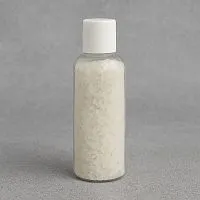
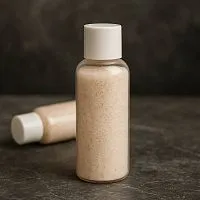
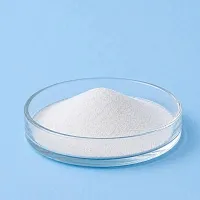

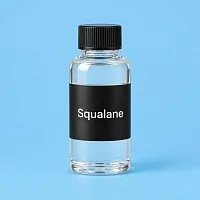

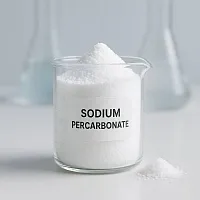
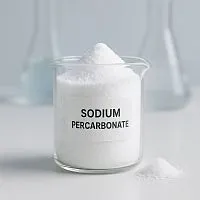


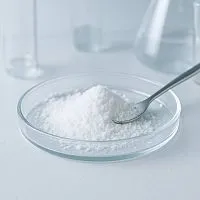
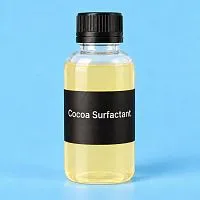




Raw materials behind effective surface and dish care formulas
This section gathers surfactants, chelating agents, thickeners, pH adjusters and functional additives used to formulate household cleaning products such as dish gels, surface sprays, laundry liquids and degreasers. Each ingredient here is sold as raw material, ready to be measured, blended and adjusted inside a working formula rather than used on its own.
Formulators combine these components to control foam, cut through grease, stabilize viscosity or protect a finished blend from microbial growth. The same base surfactant that carries a dish gel can just as easily anchor a laundry concentrate or a bathroom spray, since the function, not the label on a bottle, is what determines where it fits. For related decorative or texture work, some makers also draw on materials from bath bomb and fizzer ingredients or chocolate ingredients when a project crosses into other categories.
Whether you are testing a small batch recipe or scaling a production line, the ingredients in this section are meant to be dosed precisely and adjusted for the specific water hardness, soil type and packaging format you are working with.
Types of functional ingredients and how they differ
Surfactants in this group range from mild primary cleansers that generate stable foam to secondary surfactants added mainly to boost lather and soften the feel of a formula on skin or fabric. Chelating agents work differently: instead of cleaning directly, they bind hardness minerals in water so that a surfactant blend can perform consistently across regions with different water quality. Thickeners and pH adjusters round out the group, letting a formulator turn a thin surfactant solution into a stable gel or liquid with a target viscosity and acidity.
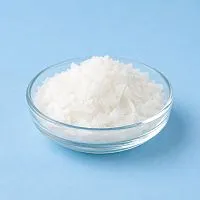
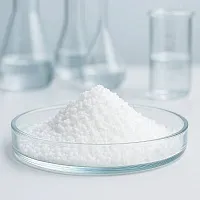
A raw material such as sodium carbonate illustrates this range well. The same alkaline salt used to adjust pH in a degreaser can also support water softening in a laundry concentrate, which is why Sodium Carbonate pharma 50 g shows up in very different finished formulas depending on the dose and the rest of the recipe.
Choosing the right ingredient and building a formula
Selection usually starts with the job the ingredient needs to do: foam volume, grease-cutting power, viscosity control or shelf stability. From there, formulators look at compatibility with the rest of the batch, since a strong surfactant paired with the wrong chelating agent or thickener can separate or lose viscosity over time. Testing small batches before scaling remains the safest way to confirm how an ingredient behaves once combined with fragrance, color or preservative systems.
Because these components are defined by function rather than one finished product, the same base chemistry can move between categories with only minor adjustments. A surfactant blend built for dish gel can be reworked for shampoo ingredients or scaled for a shampoo ingredients wholesale order simply by adjusting concentration and pH targets, and the same logic applies when a formulator moves toward components for washing powder or sources larger volumes through components for washing powder wholesale. Some makers working across categories also pull ingredients from cold process soap ingredients or explore scent work through DIY perfume supplies and its bulk option, DIY perfume supplies wholesale, when a project needs a fragrance layer on top of the cleaning base.
Origin and storage notes
Some raw materials in this section originate from Germany, where established chemical manufacturing supports consistent purity for household formulation work. Most powders and alkaline salts store well in sealed, dry containers away from moisture and direct heat, since exposure to humidity can cause caking or gradual loss of potency before the batch is even mixed.
Liquid surfactants and thickeners generally keep their properties longer when kept at stable room temperature and shielded from prolonged sunlight. Checking texture and solubility on a small sample before committing a full batch remains a practical habit, especially when a formula combines several functional ingredients that need to stay compatible from mixing through the final fill.
FAQ
What ingredients are used to make dish soap and surface cleaners
Formulators typically combine surfactants for foam and grease cutting, chelating agents to soften hard water, thickeners for viscosity, and pH adjusters for stability. Preservatives and functional additives round out the blend depending on the target texture, shelf life and packaging format of the finished product.
Can the same surfactant be used in both dish gel and laundry liquid
Yes. Most surfactants sold here are function based rather than product specific, so the same base can anchor a dish gel, a laundry concentrate or a bathroom spray. The finished formula, water hardness and soil type determine dosage and pairing rather than the ingredient itself being locked to one use.
How do chelating agents improve a cleaning formula
Chelating agents bind hardness minerals like calcium and magnesium, preventing them from interfering with surfactant performance and foam stability. This keeps a cleaning blend working consistently across different water sources and helps protect scent and color components from mineral related degradation.
How should surfactants and thickeners be stored before use
Keep containers tightly closed, away from direct heat and sunlight, and at a stable room temperature to avoid separation or viscosity drift. Label opened containers with the date and check consistency before each batch, since some thickeners are sensitive to temperature swings during storage.
Recommendations
Choosing the right surfactant or additive starts with the job it needs to do in your formula, such as foam density, grease cutting power, viscosity control or hard water tolerance, rather than the label on the bottle. Test a small batch first to confirm compatibility with your water source and packaging, then scale once the ratio is confirmed. For sourcing a specific ingredient or a larger production batch, reach out by email and our team will help match the raw material to your formula.


