-
 Absolutes
-
 Active Complexes
-
 Actives & Peptides
-
 Amino Acids & Proteins
-
 Food Flavors
-
 Ayurvedic Ingredients & Herbs
-
 Vitamins & Coenzymes
-
 Chocolate Making Supplies
-
 Thickeners & Gelling Agents
-
 Hydrosols & Floral Waters
-
 Hydrolyzed Proteins
-
 Fragrance Ingredients
-
 Nutraceutical Ingredients
-
 Acids, Salts, Alcohols & Alkalis
-
 Preservatives & Antioxidants
-
 Cosmetic Ingredients
-
 Colorants, Micas & Glitters
-
 Masks, Scrubs & Botanicals
-
 Oils & Butters
-
 Candle Making Supplies
-
 Melt and Pour Soap Bases
-
 Cream, Lotion & Hair Care Bases
-
 Fragrance Oils & Industrial Aromatics
-
 Cleansing Agents & Surfactants
-
 Peeling Actives & Acids
-
 Cosmetic Powders
-
 Solvents & Humectants
-
 Silicones & Conditioning Agents
-
 Bottles, Jars & Vials
-
 Silicone & Plastic Molds, Tools
-
 Botanical Extracts
-
 Cosmetic Emollients
-
 Emulsifiers
-
 Essential Oils
Fermented Extracts

 Add to cart









The Nature of Fermented Plant Extracts
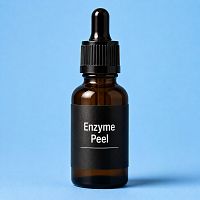
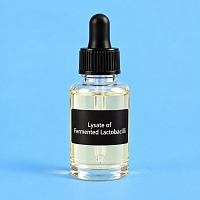
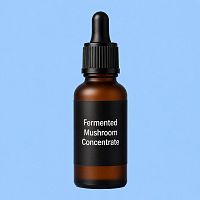
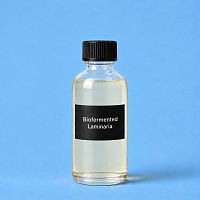
This section gathers extracts processed through fermentation with selected cultures. The process alters the structure of active compounds and frequently enhances their availability to the skin compared with untreated extracts of the same plant. Well-known items include Fermented Rice Extract and Fermented Black Tea Extract. Further options cover Aspergillus Ferment Extract, fermented pomegranate extract, Salixin Organic Extract, fermented Noni fruit extract, Ashwagandha seed extract and Altermonas extract. Ongoing research into new strains keeps expanding the range of available materials from various botanical sources.
Forms and Their Practical Differences
Fermented extracts come in liquid or powder versions. Liquids dissolve readily in water or hydroalcoholic systems while powders need dispersion first. Input levels in formulas usually range from 0.5 to 5 percent according to concentration and desired outcome in the final product. Packaging typically uses dark bottles or sealed containers to preserve quality during transport and storage from international origins. Different forms allow flexibility when building recipes around specific themes such as fermentation profiles. Related raw materials are collected in the fermented oils and botanical extract complexes sections.
Selection Criteria and Specifications
Choice depends on solubility in the target phase and compatibility with the rest of the formula. Different culture strains used by manufacturers lead to varying active profiles, so switching suppliers requires fresh testing rather than assuming prior results will hold. The section belongs to the wider Botanical Extracts group that also features concentrated and CO2 extracts without fermentation. Fermented extracts pair well with items from the related Fermented Extracts Wholesale area when building consistent production batches.
Role in Cosmetic Formulations
These extracts serve as active ingredients in skin and hair care products. They are added to the water phase or during emulsification depending on solubility. Stability across a broad pH range supports their use in diverse recipes developed by private formulators and larger cosmetic labs. Manufacturers appreciate the consistency that comes from controlled fermentation processes applied to plant materials sourced globally.
Raw Material for Dietary Supplements and Food Production
Private formulators and factories worldwide source these extracts as raw material for dietary supplements, beverages, confectionery and functional foods. They function solely as starting ingredients with batch-to-batch consistency verified through documentation. Supplies originate from Italy, South Korea, Japan, Denmark and France among other countries, supporting both small-scale and industrial needs in the food industry sector.
Packaging, Storage and Batch Handling
Bulk packs support consistent composition for series production and wholesale supply chains. Documentation accompanies each lot to meet regulatory requirements at production sites. Store away from light and heat in dark containers to maintain integrity over time. A trial batch before scaling up helps verify performance in the final formula and avoids issues with multiple active components. Compare with Liquid Extracts for alternative formats. Review the specific Fermented Ashwagandha Seed Extract 10 ml item as well for targeted applications.
FAQ
How do fermented extracts differ from standard ones?
Fermentation modifies molecular structure, often improving skin availability and changing the active compound profile in meaningful ways for formulators.
What input percentage is typical?
Most formulas use 0.5 to 5 percent, adjusted according to the extract form and other ingredients present in the mixture.
How should these extracts be stored?
Keep in dark containers protected from light and elevated temperatures to maintain stability throughout the intended shelf life.
Can they be combined with other extracts?
Yes, they work with non-fermented types and fermented oils once compatibility is confirmed through appropriate testing procedures.



