-
 Absolutes
-
 Active Complexes
-
 Actives & Peptides
-
 Amino Acids & Proteins
-
 Food Flavors
-
 Ayurvedic Ingredients & Herbs
-
 Vitamins & Coenzymes
-
 Chocolate Making Supplies
-
 Thickeners & Gelling Agents
-
 Hydrosols & Floral Waters
-
 Hydrolyzed Proteins
-
 Fragrance Ingredients
-
 Nutraceutical Ingredients
-
 Acids, Salts, Alcohols & Alkalis
-
 Preservatives & Antioxidants
-
 Cosmetic Ingredients
-
 Colorants, Micas & Glitters
-
 Masks, Scrubs & Botanicals
-
 Oils & Butters
-
 Candle Making Supplies
-
 Melt and Pour Soap Bases
-
 Cream, Lotion & Hair Care Bases
-
 Fragrance Oils & Industrial Aromatics
-
 Cleansing Agents & Surfactants
-
 Peeling Actives & Acids
-
 Cosmetic Powders
-
 Solvents & Humectants
-
 Silicones & Conditioning Agents
-
 Bottles, Jars & Vials
-
 Silicone & Plastic Molds, Tools
-
 Botanical Extracts
-
 Cosmetic Emollients
-
 Emulsifiers
-
 Essential Oils
- Forbury Direct Soap Base Wholesale 8
- Stephenson Soap Base Wholesale 31
- Soap Base from England Wholesale 46
- Soap Base Belarus Wholesale 25
- Soap Base Germany Wholesale 6
- Israeli Soap Bases Wholesale 11
- Italian Soap Base Wholesale 5
- Soap base bulk supply 10
- Soap Base Ukrainian Wholesale 20
- Soap Base France Wholesale 14
- Bases for Shampoo, Cream, and Balm Wholesale 63
Soap Base Germany Wholesale

 Add to cart


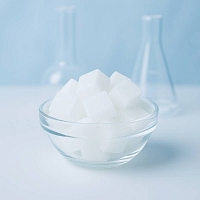


German-made bases for melt and pour soap crafting
This category covers melt and pour soap base sourced from German manufacturers, offered in transparent, white, and specialty formulations. Buyers can choose from glycerin-rich blends, shea or goat milk variants, and bases designed for detergent-free or organic-labeled recipes. Each type is manufactured to melt evenly at low temperatures, which keeps batch production predictable for both hobbyists and workshop-scale makers.
German soap base is commonly chosen for its dense, stable lather and its reliability when colorants, fragrance oils, or botanical additives are blended in during the pour. It works well for layered bars, embed designs, and bases that need to hold texture without sweating in humid conditions. Producers moving beyond a single origin often compare it against soap base from England for a softer melt profile, or soap base from Belarus for a more budget-oriented wholesale option.
Because texture and scent retention vary between suppliers, many buyers keep two or three origins on hand and match each to a specific product line, from clear novelty bars to opaque moisturizing bases.
Varieties within the German and Indian lineup
Not every base labeled as German-origin behaves the same way on the workbench. Detergent-free formulations tend to produce a softer lather and are often chosen for sensitive-skin recipes, while glycerin-heavy blends give a translucent finish that shows embeds and layered colors clearly. Indian-made bases in this category typically arrive at a lower price point per kilogram, which makes them a practical option for makers running larger production volumes without sacrificing melt consistency.
Buyers who need a specific texture profile sometimes cross-reference this group against Soap Base France Wholesale or Italian Soap Base Wholesale, both of which lean toward a creamier finish. For workshops that already rely on a familiar formula, Stephenson Soap Base Wholesale remains a common benchmark for comparison when testing a new origin.
Choosing a base and building a recipe around it
Selection usually comes down to three factors: clarity, hardness, and how the base reacts once fragrance oils, clays, or botanical powders are stirred in. A firmer base holds fine glitter or mica suspended longer before it settles, which matters for bars with visible layers. A softer, moisturizing base is better suited to recipes built around shea, cocoa, or goat milk additions, since it blends more evenly at lower pour temperatures.
Specific SKUs within this range, such as Soap base Zetesap C11, from 30 kg or the general-purpose Soap base from 30 kg, are sold in bulk packaging aimed at repeat production rather than one-off batches. Many makers also keep a separate stock from Soap base bulk supply on hand for larger orders, pairing it with smaller specialty batches for limited-edition bars.
Origin, storage, and sourcing notes
Within this category, bases are sourced from Germany and India, giving buyers a practical split between premium melt behavior and cost-driven volume needs. Both groups should be stored sealed, away from direct heat and humidity, since prolonged exposure can cause sweating on the surface or an uneven melt later on.
Workshops scaling into adjacent product lines sometimes add Bases for Shampoo, Cream, and Balm Wholesale to the same order, while those testing new textures for export lines compare it with Israeli Soap Bases Wholesale before settling on a final supplier mix for the season.
FAQ
What makes German melt and pour soap base different from other origins
German bases are known for dense, stable lather and a low, even melting point, which makes them predictable for layering and embedding. Compared to softer-melting English bases or budget-oriented Belarusian options, German formulations tend to hold detail and resist sweating in humid workshop conditions.
Can German soap base be used with fragrance oils and colorants
Yes, these bases are formulated to absorb fragrance oils, liquid colorants, and botanical additives evenly during the pour. Their glycerin content helps distribute scent and color without streaking, which is why they are popular for layered bars and novelty designs with visible inclusions.
What types of German soap base are available for different recipes
The range includes transparent, white, shea-enriched, and goat milk variants, along with detergent-free and organic-labeled options. Each type melts at a similar low temperature, so producers can combine several variants in one batch without adjusting their process significantly.
How should melt and pour soap base be stored before use
Store blocks in a cool, dry place away from direct sunlight, ideally wrapped to prevent surface moisture from causing sweating. Stacked storage in a stable room temperature environment keeps the texture consistent and prevents premature softening before melting.
Recommendations
When selecting a specific German soap base, match the formulation to your finished product line: clear glycerin blends suit novelty and embed designs, while shea or goat milk variants work better for moisturizing bars. Check the melting behavior and clarity of a sample batch before committing to larger volumes, especially if you plan to layer colors or add botanical inclusions. For questions on batch availability or formulation details, reach out by email to plan your order.



