-
 Absolutes
-
 Active Complexes
-
 Actives & Peptides
-
 Amino Acids & Proteins
-
 Food Flavors
-
 Ayurvedic Ingredients & Herbs
-
 Vitamins & Coenzymes
-
 Chocolate Making Supplies
-
 Thickeners & Gelling Agents
-
 Hydrosols & Floral Waters
-
 Hydrolyzed Proteins
-
 Fragrance Ingredients
-
 Nutraceutical Ingredients
-
 Acids, Salts, Alcohols & Alkalis
-
 Preservatives & Antioxidants
-
 Cosmetic Ingredients
-
 Colorants, Micas & Glitters
-
 Masks, Scrubs & Botanicals
-
 Oils & Butters
-
 Candle Making Supplies
-
 Melt and Pour Soap Bases
-
 Cream, Lotion & Hair Care Bases
-
 Fragrance Oils & Industrial Aromatics
-
 Cleansing Agents & Surfactants
-
 Peeling Actives & Acids
-
 Cosmetic Powders
-
 Solvents & Humectants
-
 Silicones & Conditioning Agents
-
 Bottles, Jars & Vials
-
 Silicone & Plastic Molds, Tools
-
 Botanical Extracts
-
 Cosmetic Emollients
-
 Emulsifiers
-
 Essential Oils
- Absolutes Wholesale 87
- Active Complexes for Cosmetics Wholesale 388
- Amino Acids & Proteins Wholesale 90
- Antioxidants Wholesale 293
- Ayurvedic Powders Wholesale 273
- Biocides Wholesale 16
- Thickeners and Gelling Agents in Bulk 112
- Bulk Hydrosols for Cosmetics 10
- Hydrocolloids in Bulk 5
- Hydrolyzed Proteins Wholesale 106
- Aromatic Fragrant Waters Wholesale 27
- Fragrance Ingredients Bulk 168
- Preservatives & Antioxidants Wholesale 157
- Corneotherapy Wholesale 10
- Cosmetic Clay Wholesale 14
- Neutralizers/pH Correctors Wholesale 17
- Surfactants Wholesale 144
- Cosmetic Peelings Wholesale 77
- Cosmetic Powders Wholesale 403
- Silicones and Conditioning Surfactants for Hair Wholesale 116
- Resins and Resinoids Wholesale 17
- UV and SPF Filters Wholesale 84
- Cosmetic Emollients Wholesale 132
- Emulsifiers Wholesale 328
- Enzymes, Filtrates and Lysates in Bulk 35


Cosmetic Powders Wholesale

 Add to cart


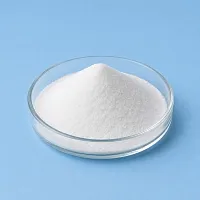


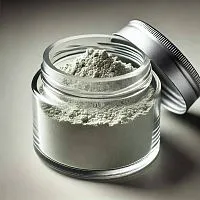


Texturizing and functional ingredients for formulators
This category brings together finely milled powders and flours used as functional components in cosmetic recipes: plant powders, mineral powders, clay derivatives, and milled botanical materials. Formulators use them to adjust texture, absorb excess oil, add mild exfoliation, or serve as a carrier base within a finished formula. The range covers dozens of raw materials sourced for both small-batch and larger-scale cosmetic production.
These powders rarely function as standalone products. Instead, they are blended into creams, masks, scrubs, powder cosmetics, and other emulsions as thickening or texturizing agents, and some grades double as gentle mechanical exfoliants within a rinse-off formula. Because particle size and absorption capacity vary between botanical and mineral sources, many manufacturers pair a powder from this section with a compatible preservative or antioxidant to stabilize a water-containing base, or dilute the finished mix with an aromatic fragrant water to reach a workable consistency for masks and lotions.
Botanical, fruit, and mineral powder varieties
Within this category, botanical flours sit alongside fruit powders and mineral derivatives, each bringing a different working property to a formula. Cinnamon Powder 500 g and Turmeric Herbal Powder 1 kg contribute warm pigmentation and are typically used in small percentages within masks and scrubs, while Mustard powder 1 kg is valued for its warming sensory effect in rinse-off formulas.
Fruit powders such as Pineapple Powder 1 kg and Raspberry Powder 1 kg add color and a light fruity note to a base, and are often chosen for mask and body scrub recipes where a natural tint is preferred over synthetic colorants. Baobab Powder 1 kg, Lucuma powder, 1 kg, and Powder Graviola 1 kg serve a similar role, giving formulators additional options for texture and mild filler content in cream and mask bases. On the mineral side, Lithothamnium 1 kg is a marine mineral powder prized for its remineralizing profile and is frequently blended into clay-based masks, while Spirulina Powder 1 kg and Soybean powder, 1 kg bring plant protein and a green or neutral tint depending on the formulation goal.
Choosing a powder and building a compatible formula
Selection usually starts with particle size and absorption capacity rather than the plant or mineral source alone. Finer powders disperse more smoothly in emulsions and are preferred for facial products, while coarser grades work well in body scrubs where mechanical exfoliation is the goal. Solubility and color intensity also matter, since a small amount of a pigmented powder like turmeric or cinnamon can shift the entire batch color if not tested at low concentration first.
Because most of these powders are added to a water-containing phase, they are commonly paired with a suitable Emulsifiers Wholesale selection to keep the finished cream or mask stable and evenly dispersed. Formulators working across creams, masks, scrubs, and powder cosmetics generally test a new powder in a small pilot batch first, adjusting the ratio until texture, color, and absorption meet the target profile for the finished product.
Origin, packaging, and storage
Raw materials in this section originate from a mix of sources, including India, Germany, Thailand, Ukraine, France, Malaysia, Spain, and Italy, depending on the specific botanical or mineral type. Powders are typically supplied in sealed bulk packaging suited to both small workshop batches and larger production runs.
Storage in a cool, dry place away from direct sunlight helps these powders retain their color, aroma, and absorption properties over time, since moisture exposure is the most common cause of clumping or reduced performance in this material group.
FAQ
What is the difference between botanical powders and mineral powders in cosmetic formulas?
Botanical powders, made from milled fruit, seed, or plant material, tend to add mild texture and gentle exfoliation, while mineral powders and clay derivatives typically bring stronger oil absorption and a matte finish. Choosing between them depends on whether a formula needs skin-conditioning texture or oil control.
How much powder should be added to a cream or mask base?
Usage rates vary by powder type and desired texture, so formulators typically start with a small percentage and adjust gradually while testing consistency and absorption. Since particle size differs between botanical and mineral sources, small test batches help confirm the right ratio before scaling production.
Can these powders be used in rinse off products like scrubs?
Yes, many grades are suited to rinse off formulas such as scrubs and masks, where their particle structure provides mechanical exfoliation. Finer powders work well for facial products, while coarser textures are often reserved for body formulas.
How should cosmetic powders be stored to keep their quality?
These powders should be kept in sealed, dry containers away from direct sunlight and moisture, since humidity can cause clumping and affect how the powder disperses into a finished base. A cool, dry storage area helps preserve consistency across a production batch.
Do plant and mineral powders need a preservative when mixed into a formula?
Powders themselves are typically anhydrous, but once blended into a water containing cream, lotion, or mask, the finished formula usually needs a compatible preservative to remain stable during storage and use.
What determines the shelf life of a milled botanical or mineral powder?
Shelf life depends mainly on moisture exposure and storage conditions rather than the powder itself breaking down quickly. Keeping containers tightly sealed and away from humidity helps maintain texture and prevents premature clumping before the powder is used in a formula.
Recommendations
When selecting a powder for a specific formula, start with the function you need: oil absorption, gentle exfoliation, or a texturizing carrier base. Mineral and clay derivatives generally suit oil control and masks, while botanical flours work well for lighter exfoliating textures in creams and scrubs. Check particle fineness and intended use, since coarser grades suit body formulas and finer ones suit facial products. For larger production runs, request a small sample first to confirm how the powder disperses in your specific base. Orders and questions about available grades and batch sizes can be sent by email, with order assembly generally taking a few business days.


