Why Raspberry Powder Matters for Food and Cosmetic Formulators
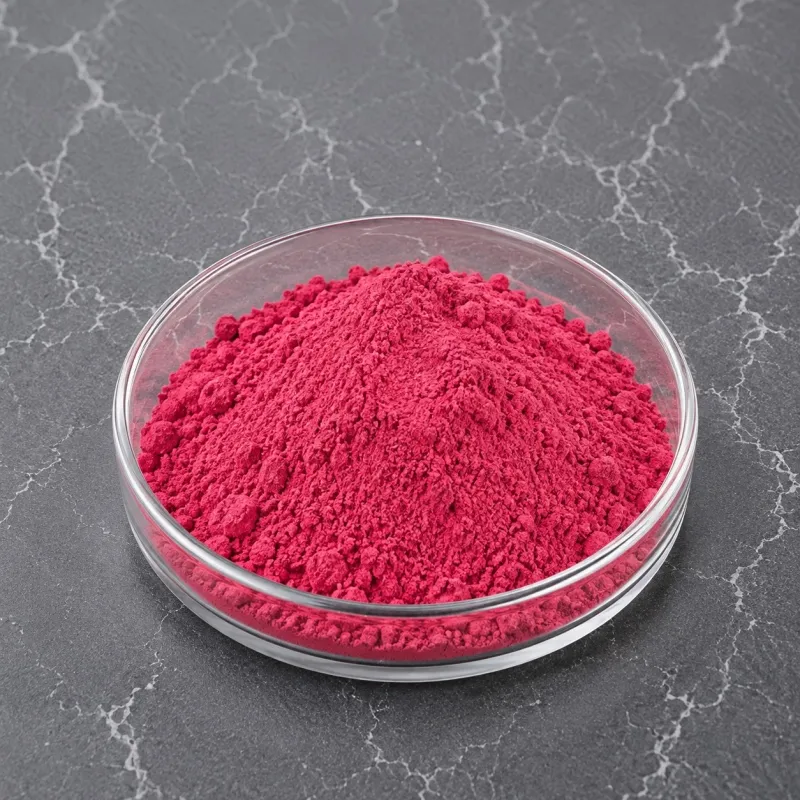
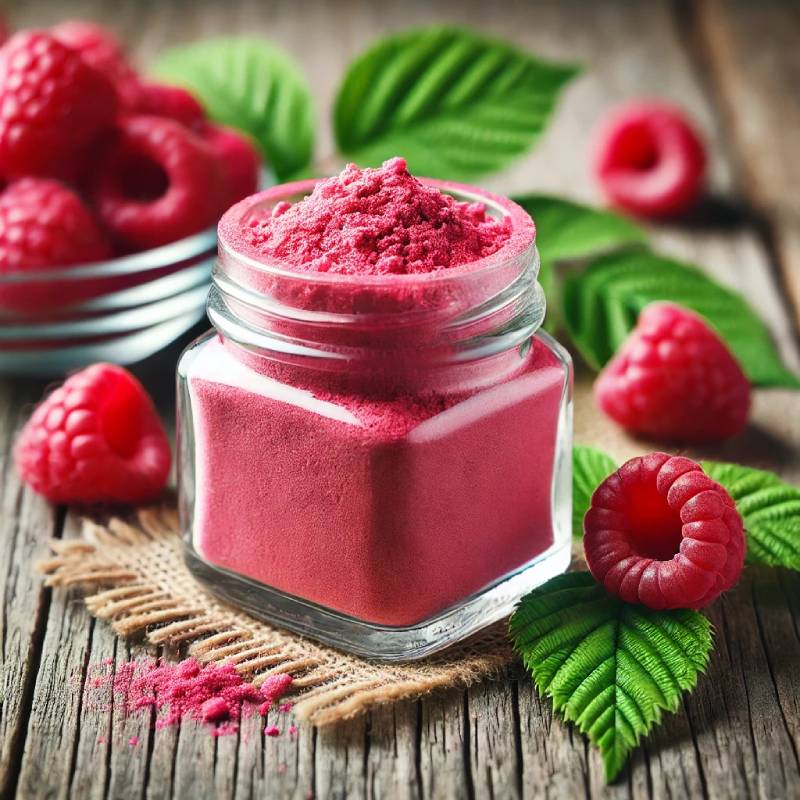
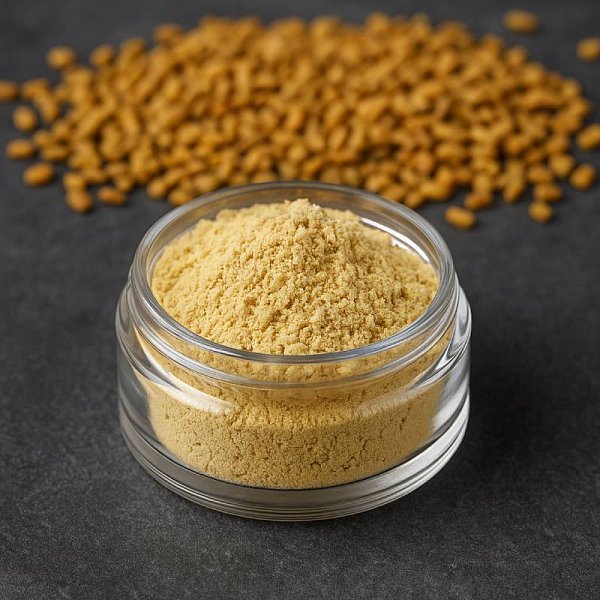
Freeze-dried raspberries ground into a fine powder have moved far beyond home dessert kitchens and turned into a genuinely demanded raw material for several industries at once. The berries, dried through sublimation, retain their natural pigments, acids and aromatic compounds, which is why this powder is valued by food production technologists, confectionery workshops, and formulators working on skincare and color cosmetics alike. This product belongs to the Fruit Powders category, where similar berry and fruit concentrates are gathered for coloring, flavoring and enriching formulas with natural additives.
The main industrial use of raspberry powder lies in food manufacturing. It is added to yogurts, ice cream, candy fillings, granola, protein bars, smoothie blends and baked goods. The powder delivers a rich pink-red hue without synthetic dyes, along with a characteristic sweet-tart flavor that is especially valued by producers of natural and organic food lines. The 1 kg package is designed exactly for such volumes — a convenient format for confectionery workshops, small-batch producers and modest food businesses that need a stable supply of raw material without overpaying for small retail packs.
In the cosmetic industry, raspberry powder is used as an ingredient in scrubs, facial and body masks, toners and bath bombs. The antioxidant properties of the berry make it attractive for anti-age oriented formulas, while the gentle abrasiveness of its particles suits mild skin exfoliation. Typical dosage in cosmetic formulations ranges from 1 to 5 percent of the total mass, introduced at the final stage of preparation at a temperature not exceeding 40 degrees Celsius to preserve both color and biologically active compounds. Adding the powder to hot bases is not advisable, since high heat destroys pigments and lowers the antioxidant value of the raw material.
Raspberry powder blends well with other berry concentrates, allowing technologists to build multi-component flavor and color compositions. It is frequently paired with Strawberry Fruit Powder to achieve a deeper berry profile, while combining it with Watermelon Fruit powder creates a refreshing summer accent in beverages and desserts. For niche recipes with a pronounced raspberry tone, the Fruit Powder Raspberry Delight works well too, complementing the base powder with a more concentrated aroma.
When handling this raw material, storage conditions matter: the powder should be kept in an airtight package, in a dry room away from direct sunlight, at room temperature or slightly below. Moisture and heat accelerate loss of both color and aroma, so once the package is opened, the remaining powder should be transferred into a tightly sealed container. Under proper storage, the product retains its properties for an extended period, making the 1 kg pack practical both for industrial batches and for regular purchases by smaller studios.
Beyond food and cosmetics, raspberry powder finds use in natural household chemical formulations and in perfumery compositions as a fruity note element. For manufacturers running conveyor production lines, consistency of shade and flavor from batch to batch is essential — which is exactly why the larger pack size appeals to those planning long-term supply and wishing to avoid recipe adjustments with every new raw material lot.
Raspberry Body Polish Cream
Raspberry powder 40 g
Grapeseed oil 60 ml
Natural honey 30 g
Cane sugar 50 g
Plant-based emulsifier 5 g
Combine the sugar with honey and grapeseed oil until smooth, then whisk in the raspberry powder and emulsifier until you get a thick paste-like texture. Apply the mixture to the body using circular massaging motions, leave it on for 5 to 7 minutes, then rinse off with warm water. Store the finished polish in a sealed glass jar in the refrigerator for no longer than two weeks.