Why Vanilla Flavoring Stays the Backbone of Confectionery Production Lines
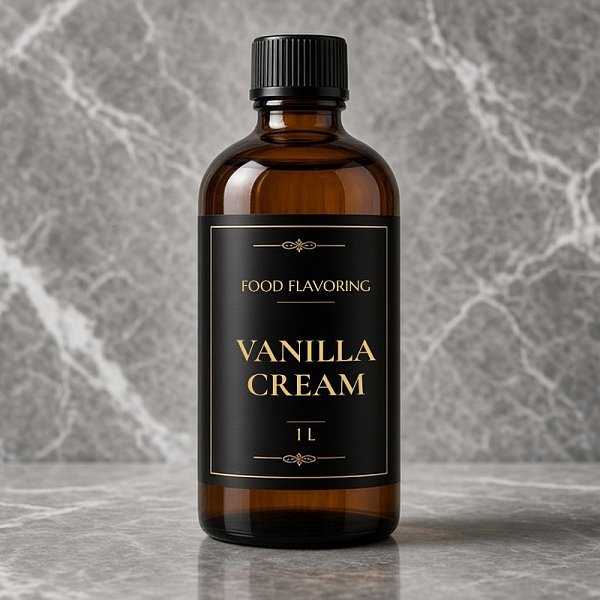
Vanilla remains one of the most recognized and demanded flavors across the global food industry, used in baked goods, creams, icings, ice cream, dairy desserts, beverages and chocolate products. The Flavoring confectionery Vanilla in a 1 liter package belongs to the Confectionery flavorings category, which brings together liquid flavor additives for small-batch and industrial food manufacturing. A liter-sized bottle is usually chosen not for a single trial run but for the steady workflow of a small bakery, pastry studio or confectionery workshop that needs predictable dosing from one batch to the next.
The liquid form makes it easy to introduce the flavor into dough, creams, syrups and fillings at almost any stage of preparation. Most producers add it toward the final stage, after removing the mass from heat or once the cream has cooled, to avoid unnecessary loss of aromatic compounds under high temperature. The recommended introduction temperature generally should not exceed 60-70 degrees Celsius, and typical dosage ranges from 2 to 5 grams per kilogram of finished product, though the exact amount should be adjusted according to the recipe and desired intensity, starting with a smaller quantity and refining after a trial batch.
Vanilla flavoring blends well with other liquid flavor additives of the same format, allowing technologists to build layered, complex flavor profiles. It is often paired with Honey Flavoring for Confectionery 1 L to give baked goods a warm caramel-honey undertone, while in creams and mousses an interesting balance appears when combined with Flavoring confectionery Black currant 1 L, where the berry's tartness offsets the sweetness of vanilla. For desserts with a citrus accent, a good pairing is Flavoring confectionery Lemon 1 L, which adds freshness and helps the baked flavor come through more clearly.
Beyond confectionery manufacturing, vanilla flavoring is widely used in dairy production, yogurts, dessert sauces, beverages, and even in some household products that require a familiar food-related scent profile. The bottle should be stored tightly closed, in a cool dark place away from direct sunlight and heat sources, to keep the aroma stable throughout its shelf life. Once opened, it is best to use the product within a reasonable timeframe and avoid moisture getting into the container.
Working with a full liter makes it practical to set up dosing through measuring syringes or fixed-volume droppers, which simplifies recipe consistency during serial production and reduces flavor variation between batches.
Vanilla Sponge Base for a Pastry Workshop
Wheat flour 450 g
Sugar 280 g
Eggs 5 pcs
Butter melted 120 g
Milk 150 ml
Baking powder 9 g
Flavoring confectionery Vanilla 4 ml
Salt 2 g
Whisk
eggs with sugar until pale and airy, then pour in the melted butter in a thin
stream while continuing to whisk. Sift the flour together with baking powder
and salt, then fold it gently into the egg mixture alternating with the milk.
Add the vanilla flavoring at the very end and fold until the batter is smooth
and lump-free. Pour the batter into a lined baking pan and bake at 170 degrees
Celsius for about 35-40 minutes, checking readiness with a wooden skewer that
should come out clean.