-
 Absolutes
-
 Active Complexes
-
 Actives & Peptides
-
 Amino Acids & Proteins
-
 Food Flavors
-
 Ayurvedic Ingredients & Herbs
-
 Vitamins & Coenzymes
-
 Chocolate Making Supplies
-
 Thickeners & Gelling Agents
-
 Hydrosols & Floral Waters
-
 Hydrolyzed Proteins
-
 Fragrance Ingredients
-
 Nutraceutical Ingredients
-
 Acids, Salts, Alcohols & Alkalis
-
 Preservatives & Antioxidants
-
 Cosmetic Ingredients
-
 Colorants, Micas & Glitters
-
 Masks, Scrubs & Botanicals
-
 Oils & Butters
-
 Candle Making Supplies
-
 Melt and Pour Soap Bases
-
 Cream, Lotion & Hair Care Bases
-
 Fragrance Oils & Industrial Aromatics
-
 Cleansing Agents & Surfactants
-
 Peeling Actives & Acids
-
 Cosmetic Powders
-
 Solvents & Humectants
-
 Silicones & Conditioning Agents
-
 Bottles, Jars & Vials
-
 Silicone & Plastic Molds, Tools
-
 Botanical Extracts
-
 Cosmetic Emollients
-
 Emulsifiers
-
 Essential Oils
- Gastronomy flavorings 46
- Flavorings for butter and margarine 7
- Fishing bait flavorings 10
- Flavorings for spices 29
- Food flavorings for alcoholic beverages 169
- Beverage flavorings 238
- Confectionery flavorings 205
- Dairy flavorings 114
- Ice cream flavorings 115
- Food flavorings for juices 62
- Flavors for e-cigarettes 323
- Liquid Snack Flavors 32


Confectionery flavorings
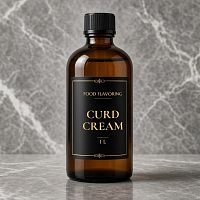
 Add to cart
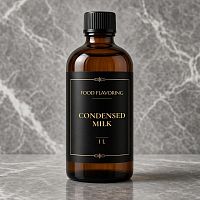


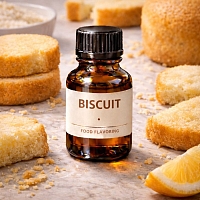


Liquid flavor bases for sweets bakery fillings and cream recipes
This section brings together liquid flavor concentrates formulated for confectionery production, from vanilla and caramel notes to fruit, nut and chocolate profiles. Each bottle is a concentrated flavor base meant to be dosed in small quantities into a larger recipe rather than used as a standalone ingredient. The range covers both classic dessert notes and more unusual profiles for bakeries, chocolatiers and home producers looking to expand a product line.
Because these are concentrated bases rather than finished sweets, the same bottle works across very different recipes. A single caramel flavoring can go into a cream filling, a glaze, a batch of candy shells or a dessert sauce, depending on the dose and the base it is mixed into. This flexibility is exactly why confectioners keep a small set of concentrates on hand instead of buying a separate additive for every single product. For producers who also work with drinks or cold desserts, it is worth checking beverage flavorings and food flavorings for juices, since several notes overlap with dessert and drink production alike.
Fruit, nut and classic dessert profiles
Within this range, fruit notes make up the largest group, since they cover the widest set of recipes from fillings to glazes. Flavor Lemon and Flavoring confectionery Lemon are both citrus concentrates, but they come from different production lines, so a producer testing a new recipe may want to try both and compare intensity and aftertaste before committing to a large batch.
Beyond citrus, the lineup includes tropical and orchard notes such as Apricot, Pineapple and Orange, alongside softer fruit tones like Watermelon, Banana and Grapes. Stone fruit notes such as Cherry and Pear round out the set, while Vanilla remains the base note most producers keep in stock regardless of what else they order, since it blends into almost any cream or dough without clashing with other flavors.
Choosing a concentrate and building a recipe
The main choice is between a fruit note for glazes and fillings and a base note like vanilla for doughs and creams that need a background flavor rather than a dominant one. Dosage matters more than the label suggests, since these are concentrated bases, and a small change in quantity can shift a filling from subtle to overpowering.
In practice, most recipes combine two or three concentrates rather than relying on one. A fruit note is often paired with vanilla to round out sharpness, while nut and chocolate profiles tend to work better alongside a citrus or berry accent that cuts through the richness. Producers who also make cold desserts sometimes pull the same fruit notes into ice cream flavorings to keep a consistent taste profile across a product line.
Origin and storage
Concentrates in this section come from producers in Ukraine and Lithuania. Bottles should be kept sealed, away from direct light and heat, since concentrated flavor bases can lose intensity if stored too long in warm conditions. Once opened, a bottle is best used within the timeframe noted on its label rather than kept indefinitely, as gradual flavor drift is normal for any liquid concentrate.
FAQ
What is the difference between a liquid flavor concentrate and a regular extract
A concentrate is formulated for strong, consistent flavor impact at very low dosage, usually a few drops to a few milliliters per batch, while extracts are often milder and less standardized. Concentrates give bakers and confectioners more predictable results across large production runs.
How much liquid flavoring should be added to a filling or cream recipe
Dosage depends on the flavor strength and the base recipe, but most producers start with a small test batch, typically a few milliliters per kilogram of mixture, then adjust to taste. Always trial a new flavor before scaling up a full production run.
Can one flavor concentrate be used in both fillings and glazes
Yes, the same concentrated base is often suitable for cream fillings, glazes, sauces and candy shells, since dosage and the surrounding recipe determine the final taste profile rather than the flavoring itself. This is why many producers keep a compact set of versatile concentrates.
How should liquid flavor concentrates be stored
Keep bottles tightly closed, away from direct light and heat, ideally in a cool dry area. Proper storage helps preserve aroma intensity and prevents the flavor from fading or shifting between production batches.
Do fruit and nut flavor concentrates work well together in one recipe
Many fruit, nut and classic dessert notes are designed to blend, allowing producers to layer profiles such as caramel with nut or fruit with vanilla. Small test batches help confirm that combined notes balance well before committing to a full production run.
Recommendations
When choosing a liquid flavor base, start with the profile that matches your recipe category, whether that is a classic vanilla or caramel note or a more distinctive fruit, nut or chocolate profile, and confirm the recommended dosage range before committing to a full batch. Order a small trial quantity first to test intensity and how the flavor behaves once mixed into your specific filling, glaze or dough. For repeat production, ordering a consistent batch size helps keep flavor profiles stable across runs. Reach out by email with your recipe type and target volume, and we will help you match the right concentrate for your production line.



