-
 Absolutes
-
 Active Complexes
-
 Actives & Peptides
-
 Amino Acids & Proteins
-
 Food Flavors
-
 Ayurvedic Ingredients & Herbs
-
 Vitamins & Coenzymes
-
 Chocolate Making Supplies
-
 Thickeners & Gelling Agents
-
 Hydrosols & Floral Waters
-
 Hydrolyzed Proteins
-
 Fragrance Ingredients
-
 Nutraceutical Ingredients
-
 Acids, Salts, Alcohols & Alkalis
-
 Preservatives & Antioxidants
-
 Cosmetic Ingredients
-
 Colorants, Micas & Glitters
-
 Masks, Scrubs & Botanicals
-
 Oils & Butters
-
 Candle Making Supplies
-
 Melt and Pour Soap Bases
-
 Cream, Lotion & Hair Care Bases
-
 Fragrance Oils & Industrial Aromatics
-
 Cleansing Agents & Surfactants
-
 Peeling Actives & Acids
-
 Cosmetic Powders
-
 Solvents & Humectants
-
 Silicones & Conditioning Agents
-
 Bottles, Jars & Vials
-
 Silicone & Plastic Molds, Tools
-
 Botanical Extracts
-
 Cosmetic Emollients
-
 Emulsifiers
-
 Essential Oils
- Gastronomy flavorings 46
- Flavorings for butter and margarine 7
- Fishing bait flavorings 10
- Flavorings for spices 29
- Food flavorings for alcoholic beverages 169
- Beverage flavorings 238
- Confectionery flavorings 205
- Dairy flavorings 114
- Ice cream flavorings 115
- Food flavorings for juices 62
- Flavors for e-cigarettes 323
- Liquid Snack Flavors 32


Gastronomy flavorings

 Add to cart

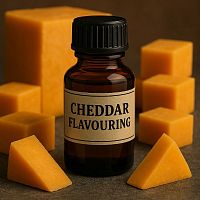


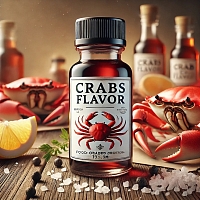


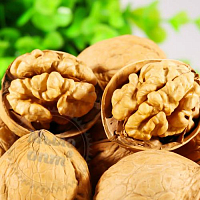


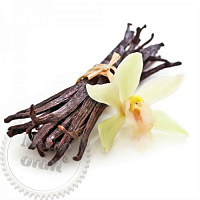
Liquid flavor bases with edible-inspired profiles
Gastronomy flavorings are concentrated liquid compositions built around dessert, coffee, spice and fruit-confection profiles such as vanilla, caramel, chocolate, cinnamon or honey. They are used to shape scent and taste character in cosmetic and personal care formulations, giving formulators a way to layer warm, gourmand notes into a base without reformulating the entire recipe. The catalog covers a range of concentrations and profile intensities suited to different batch sizes and finished textures.
These compositions work well in lip care products, body scrubs, whipped body butters, solid perfumes and creams where a rounded, appetizing scent profile supports the overall sensory experience. Formulators pair them with sweeter or fruitier notes borrowed from food flavorings for juices to build layered, multidimensional scent structures. Where a lighter, more refreshing character is needed instead, blending in notes typical of beverage flavorings can balance out a heavier gourmand base.
Profile families and how they differ
Within this category, savory and spice-driven profiles sit alongside the sweeter gourmand notes described above. A composition like Flavoring agent BECON 707 reads as smoky and roasted, while Flavoring mustard 1135 brings a sharper, pungent edge. Both differ noticeably from nutty or earthy options such as Flavor WALNUT 545 and Flavor MUSHROOMS 688, which lean toward warm, woody undertones rather than a sweet or spiced character.
Spice-forward compositions like Flavor KORIANDR 533 and Flavoring Cinnamon 514 occupy a middle ground, offering a warm, slightly sharp facet that can either stand alone or be blended with softer gourmand bases. This range means the section is not limited to a single sensory direction. It spans from sweet and rounded to savory, nutty, earthy and spiced, giving formulators a broad palette to draw from rather than one narrow profile.
Choosing a variant and building a formula
Selection generally starts with the finished texture and the intensity of the base scent already present in a formulation. A neutral, low-odor base accepts a stronger dose of a spice or savory composition, while a base with its own pronounced character calls for a lighter touch to avoid clashing notes. Testing at small trial concentrations before scaling to a full batch remains the most reliable way to judge how a given profile behaves once diluted.
These compositions function as building blocks rather than finished scent systems, so they are commonly layered with other flavor families to create a fuller structure. Warmer, spiced notes pair naturally with references drawn from Confectionery flavorings, adding a baked or sugared dimension without overwhelming the base. For a cooler, creamier contrast, notes borrowed from Ice cream flavorings soften an otherwise heavy, spiced or savory profile and round out the overall impression.
Origin and storage
Items in this section are sourced from Ukraine, which keeps sourcing timelines predictable for formulators working on both small trial batches and larger production runs. As with most concentrated liquid compositions, keeping containers tightly sealed, away from direct light and heat, helps preserve the intended profile over time and prevents premature drift in scent or taste character.
Because these are liquid concentrates rather than pre-diluted blends, small variations in dosage can shift the final result noticeably, which is why many formulators keep notes on the exact ratios used in a successful batch. This practice becomes especially useful when moving from a home workshop scale to a larger, repeatable production process.
FAQ
What is the difference between gastronomy flavorings and fruit or beverage flavorings in the catalog
Gastronomy flavorings focus on warm, dessert-style profiles such as vanilla, caramel or spice, while fruit and beverage flavorings lean toward brighter, juicier or more refreshing notes. Many formulators combine both groups to build a layered scent that balances richness with lightness in a single finished product.
How much gastronomy flavoring should be used in a cream or body butter base
Usage rates depend on the concentration of the specific flavoring and the desired intensity of the finished texture, so small test batches are recommended before scaling up. Starting with a low percentage and building up gradually helps avoid an overpowering profile in lip care, scrubs or whipped bases.
Can gastronomy flavorings be combined with other scent profiles in one formulation
Yes, these compositions are designed to be layered with other profile families, including fruitier or lighter notes, to create more complex sensory structures. Blending is a common approach for formulators who want a rounded gourmand character without a flat, single-note result.
How should liquid flavor concentrates be stored to keep their profile stable
Liquid flavor concentrates keep their profile best in a cool, dark place away from direct heat and sunlight, with containers kept tightly closed between uses. Proper storage helps prevent the top notes from fading or shifting over time, especially in warmer conditions.
Recommendations
When choosing a gastronomy flavoring, match the profile intensity to your finished texture: richer, more concentrated options suit solid perfumes and balms, while lighter dilutions work better in creams and lotions. Consider how the note will interact with other ingredients in your base before committing to a full batch. Order by email and our team will help confirm availability and lead times for your selected volume.



