-
 Absolutes
-
 Active Complexes
-
 Actives & Peptides
-
 Amino Acids & Proteins
-
 Food Flavors
-
 Ayurvedic Ingredients & Herbs
-
 Vitamins & Coenzymes
-
 Chocolate Making Supplies
-
 Thickeners & Gelling Agents
-
 Hydrosols & Floral Waters
-
 Hydrolyzed Proteins
-
 Fragrance Ingredients
-
 Nutraceutical Ingredients
-
 Acids, Salts, Alcohols & Alkalis
-
 Preservatives & Antioxidants
-
 Cosmetic Ingredients
-
 Colorants, Micas & Glitters
-
 Masks, Scrubs & Botanicals
-
 Oils & Butters
-
 Candle Making Supplies
-
 Melt and Pour Soap Bases
-
 Cream, Lotion & Hair Care Bases
-
 Fragrance Oils & Industrial Aromatics
-
 Cleansing Agents & Surfactants
-
 Peeling Actives & Acids
-
 Cosmetic Powders
-
 Solvents & Humectants
-
 Silicones & Conditioning Agents
-
 Bottles, Jars & Vials
-
 Silicone & Plastic Molds, Tools
-
 Botanical Extracts
-
 Cosmetic Emollients
-
 Emulsifiers
-
 Essential Oils
- Gastronomy flavorings 46
- Flavorings for butter and margarine 7
- Fishing bait flavorings 10
- Flavorings for spices 29
- Food flavorings for alcoholic beverages 169
- Beverage flavorings 238
- Confectionery flavorings 205
- Dairy flavorings 114
- Ice cream flavorings 115
- Food flavorings for juices 62
- Flavors for e-cigarettes 323
- Liquid Snack Flavors 32


Flavors for e-cigarettes

 Add to cart


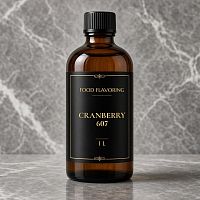


Concentrated flavor bases for vape liquid formulation
This section brings together concentrated liquid flavor compounds intended for blending into e-liquid bases and related flavored formulations. The range covers fruit, dessert, menthol, tobacco-style, beverage and mixed profiles, supplied as concentrates that get diluted before use rather than ready-to-fill liquids. Buyers include small workshops mixing custom batches and larger production lines running standardized recipes.
Because these are concentrates rather than finished products, the same flavor compound often works across several formulation types, not just one flavor category. A single berry or citrus concentrate, for instance, can anchor a fruity profile on its own or get layered under a creamy or menthol base to shift the overall character. Blenders typically pair these concentrates with a neutral base and adjust ratios to reach the desired strength, and the same logic applies whether the goal is a light, subtle taste or a much sharper, more pronounced one. For buyers exploring adjacent lines, the beverage flavorings and food flavorings for juices sections use closely related liquid concentrate formats and can be useful for comparing profiles or building a broader flavor library.
Profile categories and how they differ
Fruit-forward concentrates form the largest group, spanning citrus, berry and stone-fruit character. A Cranberry flavor, 1 L reads as tart and bright, while an Apricot fragrance, 1 L or a Juicy Peach Flavor, 1 L lean softer and rounder, with melon-style notes such as Fragrance Cantaloupe, 1 L sitting somewhere between the two.
Dessert and confectionery concentrates make up a second cluster built around cream, baked-goods and sweet-tea character. Options like Flavoring Butter Cream, 1 L, Flavor Cake Batter, 1 L and Vanilla Whipped Cream Flavor, 1 L supply a rich, custardy backbone, while chocolate and caramel variants such as Flavor Milk Chocolate Toffee, 1 L, Flavor Double Chocolate, 1 L and Caramel flavor, 1 L add depth and warmth. A Sweet Tea Flavor, 1 L sits apart from both groups, offering a lighter, beverage-style profile that works well as a background note rather than a dominant one.
Choosing a concentrate and building a blend
The main selection criteria are intensity, how the profile behaves once diluted, and how well it layers with other concentrates already in a formulation. A concentrate meant to carry the whole profile on its own needs a cleaner, more linear character, while one meant as a supporting note works best when it stays subtle at low dosing and does not overpower a base.
Because these are functional flavor compounds rather than finished products, the same concentrate is rarely limited to a single recipe. A cream or caramel base can anchor a dessert-style blend or simply round out a fruit profile that needs less sharpness, and a fruit concentrate can be layered under a menthol or tobacco-style base to shift its overall character. Buyers refining a flavor library often cross-reference the Ice cream flavorings section, since several dessert and fruit profiles used there translate directly into other liquid-based formulations.
Origin and storage
Concentrates in this range come from suppliers in the United States and Ukraine. As with most liquid flavor concentrates, they should be kept in tightly closed containers, away from direct light and heat, since prolonged exposure can shift both intensity and aroma balance over time. Checking a small test batch after storage is a practical way to confirm a concentrate has held its intended profile before committing it to a larger production run.
FAQ
What is the difference between a flavor concentrate and a ready-to-use e-liquid flavoring?
A concentrate is a strong compound meant to be diluted into a neutral base before use, while a ready-to-use liquid is already balanced at final strength. Concentrates give blenders control over intensity and let one bottle produce many finished batches at different ratios.
How much concentrate should be used per batch of base liquid?
Dilution ratios vary by flavor family and desired intensity, with fruit and menthol profiles often needing less than dessert or tobacco-style ones. Most blenders start with a small test ratio, taste the result after steeping, and adjust upward or downward before scaling to a full batch.
Can different flavor concentrates from this range be mixed together?
Yes, layering concentrates is a common way to build custom profiles, such as pairing a fruit note with a creamy or menthol base for added depth. Small test blends are recommended first, since combined concentrates can shift both strength and character.
How should flavor concentrates be stored to preserve their strength?
Concentrates keep best in tightly sealed, opaque or dark glass containers stored away from direct light and heat sources. Consistent cool storage slows aging and helps the profile stay stable over longer periods between production runs.
Are these concentrates suitable for both small-batch and large-scale production?
Yes, the same concentrated format works for hobbyist-scale mixing and for standardized industrial recipes, since ratios simply scale with batch size. Larger producers typically fix a tested ratio and repeat it consistently across production runs.
Recommendations
When choosing a flavor concentrate, start with the profile family that matches your target taste, then compare similar options within that family for the balance of sweetness, sharpness or coolness you need. For custom blends, testing a small sample batch before committing to a larger order helps confirm the dilution ratio and how the concentrate behaves alongside other components in the base. If you are scaling up a recipe that already works, consistency between batches of the same concentrate matters more than switching suppliers, so sourcing from one stock helps keep results predictable. Reach out by email with details about your intended profile and production volume, and we will help you match the right concentrate for your formulation.



