-
 Absolutes
-
 Active Complexes
-
 Actives & Peptides
-
 Amino Acids & Proteins
-
 Food Flavors
-
 Ayurvedic Ingredients & Herbs
-
 Vitamins & Coenzymes
-
 Chocolate Making Supplies
-
 Thickeners & Gelling Agents
-
 Hydrosols & Floral Waters
-
 Hydrolyzed Proteins
-
 Fragrance Ingredients
-
 Nutraceutical Ingredients
-
 Acids, Salts, Alcohols & Alkalis
-
 Preservatives & Antioxidants
-
 Cosmetic Ingredients
-
 Colorants, Micas & Glitters
-
 Masks, Scrubs & Botanicals
-
 Oils & Butters
-
 Candle Making Supplies
-
 Melt and Pour Soap Bases
-
 Cream, Lotion & Hair Care Bases
-
 Fragrance Oils & Industrial Aromatics
-
 Cleansing Agents & Surfactants
-
 Peeling Actives & Acids
-
 Cosmetic Powders
-
 Solvents & Humectants
-
 Silicones & Conditioning Agents
-
 Bottles, Jars & Vials
-
 Silicone & Plastic Molds, Tools
-
 Botanical Extracts
-
 Cosmetic Emollients
-
 Emulsifiers
-
 Essential Oils
- Gastronomy flavorings 46
- Flavorings for butter and margarine 7
- Fishing bait flavorings 10
- Flavorings for spices 29
- Food flavorings for alcoholic beverages 169
- Beverage flavorings 238
- Confectionery flavorings 205
- Dairy flavorings 114
- Ice cream flavorings 115
- Food flavorings for juices 62
- Flavors for e-cigarettes 323
- Liquid Snack Flavors 32


Flavorings for spices
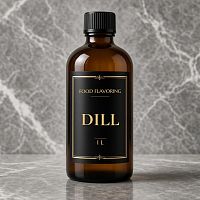
 Add to cart


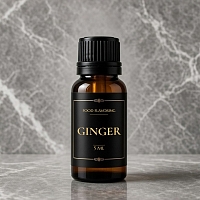


Warm spice notes for liquid flavor compositions
This section brings together liquid flavoring compounds built around warm spice profiles such as cinnamon, clove, ginger, nutmeg and pepper accords. They are concentrated blends designed to be dosed into a base rather than used on their own, giving formulators a controlled way to introduce spice character into a recipe. Each item is supplied as a ready liquid concentrate, which makes dosing and blending straightforward compared to working with raw spice extracts.
Spice flavorings like these are used well beyond a single application. The same warm accord can shape a baked-goods filling, a spiced beverage base, a confectionery coating or a dessert cream, depending on the dosage and the carrier it is blended into. For related liquid profiles built on fruit and citrus rather than spice, the food flavorings for juices section covers a different register of the same liquid flavoring family.
Because spice notes are often paired with sweeter or lighter accords to balance intensity, it can help to look at complementary liquid profiles such as beverage flavorings when a formula calls for a softer background note alongside a spice accord.
Variations within the range and how they differ
Within a warm spice liquid concentrate range, the differences usually come down to which accord dominates and how the blend is built around it. A cinnamon-forward composition reads warm and sweet, a clove or pepper-forward blend leans sharper and more pungent, while a ginger or nutmeg base sits somewhere in between, often used to round out other profiles rather than to stand alone. Some items are single-note concentrates meant to be layered by the formulator, others are already balanced multi-spice blends built for a specific finished taste. A blend such as the Black Sesame K fragrance shows how a single liquid concentrate can carry a distinct, layered character rather than a plain single-note spice profile.
Strength and carrier compatibility also vary. Some concentrates are formulated to dissolve cleanly in water-based bases, others perform better in fat-based or alcohol-based carriers, which matters more than the spice name itself when picking a variant for a specific recipe.
How to choose a variant and what it pairs with
Selection should start from the carrier and the intensity needed in the finished product, not from the spice name alone. A concentrate meant for a light beverage base is usually dosed far lower than one meant for a dense confectionery filling, so checking the recommended dosage range against the target application matters more than comparing labels. Because these are concentrated liquids, small dosage changes shift the character of the final product noticeably, so trial batches at varying dosage levels are worth running before settling on a ratio.
Warm spice notes rarely work in isolation in a formula. They are commonly paired with dairy, caramel or vanilla-type backgrounds to soften sharpness, which is why it can help to cross-check against the dairy flavorings range when a recipe calls for a creamier base note. In confectionery work, spice concentrates are frequently blended with fruit or caramel accords from the confectionery flavorings section, while a colder application such as the ice cream flavorings range often uses the same warm accords in much smaller doses to avoid overpowering a chilled base.
The same spice concentrates also turn up in less obvious formulas. Spiced accords are a known component in flavorings for alcoholic beverages, where a clove or pepper note can lift a spirit base, and in flavorings for butter and margarine, where a warm undertone supports a richer fat-based product. Even outside food and beverage work, related liquid concentrate lines extend into fishing bait flavorings and flavors for e-cigarettes, both of which draw on the same category of concentrated liquid flavor technology, just dosed and blended for a completely different end use.
Origin and storage
Products in this range are supplied from Poland, giving a consistent production source for buyers who need repeatable batches across orders. As concentrated liquids, they should be kept tightly sealed, away from direct light and heat, since prolonged heat exposure can shift the balance of a multi-note spice blend faster than a single-note concentrate. Keeping bottles upright and checking cap seals after each use helps preserve the intended dosage strength over the shelf life of the product.
FAQ
What is the difference between a warm spice flavoring concentrate and a plain spice extract?
A concentrate is a pre-balanced liquid blend designed for direct dosing into a base, while a raw extract is a single-note ingredient that still needs to be measured and combined with other notes. The concentrate format saves formulation time and gives more consistent results batch after batch.
How much warm spice flavoring should be added to a recipe?
Dosage depends on the carrier, the intensity of the base and the desired strength of the spice accord, so small test batches are recommended before scaling up. Starting with a low percentage and adjusting gradually helps avoid an overpowering result in the final composition.
Can cinnamon, clove and ginger notes be combined in one formulation?
Yes, warm spice notes are frequently layered together to build a rounder, more complex profile, and many concentrates are already blended with more than one spice accord in mind. Testing the combination in a small trial batch confirms how the notes interact at the chosen dosage.
How should liquid spice flavorings be stored to keep their aroma stable?
Keep containers tightly closed, away from direct light and heat, and stored at a stable room temperature to slow evaporation and oxidation of the aromatic compounds. Proper sealing after each use helps preserve the intensity of the concentrate over time.
Recommendations
Choosing the right warm spice concentrate starts with matching the accord to the carrier you plan to use, since a cinnamon or clove note behaves differently in a dairy-based cream than in a syrup or coating base. Compare a few options side by side in small trial batches before committing to a larger volume, paying attention to how the spice intensity holds up after mixing and, where relevant, after heat exposure. If you are developing a recipe that leans on a specific warm accord, reach out by email with your target profile and intended base, and we can help point you toward a suitable concentrate for your production volume.



