-
 Absolutes
-
 Active Complexes
-
 Actives & Peptides
-
 Amino Acids & Proteins
-
 Food Flavors
-
 Ayurvedic Ingredients & Herbs
-
 Vitamins & Coenzymes
-
 Chocolate Making Supplies
-
 Thickeners & Gelling Agents
-
 Hydrosols & Floral Waters
-
 Hydrolyzed Proteins
-
 Fragrance Ingredients
-
 Nutraceutical Ingredients
-
 Acids, Salts, Alcohols & Alkalis
-
 Preservatives & Antioxidants
-
 Cosmetic Ingredients
-
 Colorants, Micas & Glitters
-
 Masks, Scrubs & Botanicals
-
 Oils & Butters
-
 Candle Making Supplies
-
 Melt and Pour Soap Bases
-
 Cream, Lotion & Hair Care Bases
-
 Fragrance Oils & Industrial Aromatics
-
 Cleansing Agents & Surfactants
-
 Peeling Actives & Acids
-
 Cosmetic Powders
-
 Solvents & Humectants
-
 Silicones & Conditioning Agents
-
 Bottles, Jars & Vials
-
 Silicone & Plastic Molds, Tools
-
 Botanical Extracts
-
 Cosmetic Emollients
-
 Emulsifiers
-
 Essential Oils
- Cosmetic Jars 391
- Bottles for cosmetics, dispensers, sprayers 863
- Laboratory glassware 22
- Measuring laboratory 23
- Plastic Packaging 878
- Plastic containers 19
- Perfume testers 36
- Glass Packaging, Bottles, and Jars 276
- Perfume Packaging 339
- Diffuser Bottles & Sticks 24
- Metal perfume atomizers 10
- Wholesale Jars, Bottles and Packaging Containers 2327
- Plastic Containers Large Wholesale 49


Laboratory glassware

 Subscribe


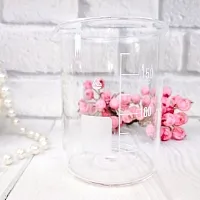
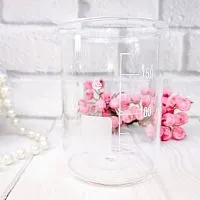


Beakers flasks and measuring tools for accurate batches
This section covers laboratory glassware used for measuring melting mixing and heating ingredients when developing cosmetic formulas. It includes beakers graduated cylinders flasks and related vessels made from heat resistant glass that withstand repeated use on a stove or water bath and contact with oils acids and active ingredients.
Formulators rely on this glassware at every stage of building a recipe from weighing out emulsifiers and oils to combining a water phase with an oil phase at controlled temperatures. Precise volume markings help keep ratios consistent across batches which matters whether a lab is testing a new serum or scaling up a cream for repeat production. Alongside glassware many labs also keep packaging containers jars and bottles and cosmetic jars on hand for moving a finished formula straight from the vessel into storage.
Types of vessels and how they differ
Not every container in this group serves the same purpose. Beakers with a spout are suited for pouring a warmed oil phase or an active concentrate without dripping down the side, while graduated cylinders give a narrower and taller profile for reading small liquid volumes with better accuracy than a wide beaker allows. Flasks with a narrower neck reduce evaporation during longer heating stages, which matters when a water phase needs to hold a steady volume while an emulsifier melts into an oil phase nearby.
Wall thickness and the type of glass used also separate one vessel from another. Some are built for direct exposure to an open flame or hot plate, others are meant only for a water bath, so checking the intended heating method before buying saves a batch from thermal shock and a cracked vessel mid process.
Choosing the right vessel and pairing it with a workflow
Volume is the first thing to match against a typical batch size, since a vessel that is too large makes small quantity work imprecise and one that is too small forces multiple refills that slow down a session. Graduated markings should be checked for readability, particularly if a formula calls for splitting a water phase and an oil phase into close volumes that need to be tracked side by side.
Heat resistance is the second filter, especially for anyone working with actives that degrade above a certain temperature or acids that need slow controlled warming rather than a quick blast of heat. A lab that also handles fragrance or essential oil blending often keeps a separate set of vessels just for that purpose to avoid residual scent carrying into the next batch.
Once a formula is mixed, it typically moves out of the glassware and into measuring laboratory containers for further dosing, or directly into plastic containers for short term storage before packaging. For finished creams and lotions many formulators reach for glass packaging, bottles, and jars, while lighter or travel-oriented lines are usually filled into plastic packaging instead. A finished perfume or aromatic blend calls for its own dedicated line of perfume packaging, and production runs that scale beyond small test batches often shift toward plastic containers large wholesale to keep unit costs down.
Storage and care between batches
Glassware should be rinsed promptly after contact with oils or actives, since dried residue is harder to remove and can carry into the next formula if a vessel is reused without full cleaning. Storing vessels upright and separated from metal tools reduces the risk of chipped rims, which compromise both accuracy and safety once a crack forms near a measuring line.
Labs that also test finished fragrance samples often keep metal perfume atomizers and perfume testers nearby, since a batch that starts in a beaker or flask frequently ends its life cycle in one of these smaller formats for client sampling or quality checks before a full production run begins.
FAQ
What is the difference between a beaker and a graduated cylinder for cosmetic formulation
A beaker has a wide mouth and a pouring spout, making it convenient for heating, mixing and combining phases directly over a water bath. A graduated cylinder is taller and narrower, giving more accurate volume readings for measuring liquids such as oils, actives or water before they are added to a batch.
Can this glassware withstand repeated heating on a stove or water bath
Yes, the vessels in this section are made from heat resistant glass designed for repeated contact with heat sources such as a stove top or water bath. This makes them suitable for melting waxes and butters, warming oil phases and holding hot water phases during formulation.
What sizes of beakers and flasks are commonly used for small batch cosmetic testing
Small batch testing typically uses smaller volumes, often in the range of fifty to five hundred milliliters, so a formulator can trial a ratio before scaling up. Larger beakers and flasks are kept on hand for moving a tested recipe into a bigger production batch.
How should lab glassware be stored between uses
Glassware should be rinsed and fully dried after each use to prevent residue buildup from oils, actives or emulsifiers, then stored upright in a dry area away from direct impact. Keeping vessels grouped by size makes it easier to grab the right volume quickly during a formulation session.
Recommendations
When choosing beakers, flasks or graduated cylinders for your workflow, match the vessel to the task rather than picking one size for everything: a spouted beaker suits pouring warmed phases, while a graduated cylinder suits precise liquid measurement. Consider the typical batch size you work with and keep a few different volumes on hand to cover both testing and scaled production. For questions about specific volumes or glass thickness, reach out by email and our team will help you select the right set for your lab.


