-
 Absolutes
-
 Active Complexes
-
 Actives & Peptides
-
 Amino Acids & Proteins
-
 Food Flavors
-
 Ayurvedic Ingredients & Herbs
-
 Vitamins & Coenzymes
-
 Chocolate Making Supplies
-
 Thickeners & Gelling Agents
-
 Hydrosols & Floral Waters
-
 Hydrolyzed Proteins
-
 Fragrance Ingredients
-
 Nutraceutical Ingredients
-
 Acids, Salts, Alcohols & Alkalis
-
 Preservatives & Antioxidants
-
 Cosmetic Ingredients
-
 Colorants, Micas & Glitters
-
 Masks, Scrubs & Botanicals
-
 Oils & Butters
-
 Candle Making Supplies
-
 Melt and Pour Soap Bases
-
 Cream, Lotion & Hair Care Bases
-
 Fragrance Oils & Industrial Aromatics
-
 Cleansing Agents & Surfactants
-
 Peeling Actives & Acids
-
 Cosmetic Powders
-
 Solvents & Humectants
-
 Silicones & Conditioning Agents
-
 Bottles, Jars & Vials
-
 Silicone & Plastic Molds, Tools
-
 Botanical Extracts
-
 Cosmetic Emollients
-
 Emulsifiers
-
 Essential Oils
- Cosmetic Tags Wholesale 9
- Label paper wholesale 35
- Tishu paper, tissue paper wholesale 56
- Paper filler for packaging wholesale 46
- Wholesale Decorative Strips for Soap and Craft Bars 24
- Tools for cosmetics Wholesale 45
- Ribbons bows ties wholesale 139
- Organza pouch wholesale 1
- Natural Beech Wood Packaging and Veneer Baskets Wholesale 1
- Stand Up Pouches Wholesale 53
- Raffia wholesale 28
- Packaging Wholesale 75
Tools for cosmetics Wholesale

 Add to cart


 Subscribe


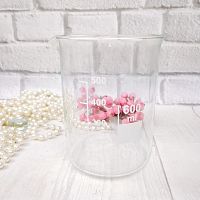


Inventory that supports production of creams soaps and candles
This section covers small tools and inventory items used alongside raw materials during cosmetics and craft production: mixing and measuring tools, scoops, molds, trays and other handling items. These are physical instruments rather than formulation ingredients, chosen for durability and practical handling of batches of any size.
Such inventory supports a wide range of workshops: candle pouring, chocolate work, baking, ice projects, and soap making all rely on the same category of molds, scoops and trays. A workshop preparing candles one week might reach for the same tray shapes used for baking the next, and the tools sit alongside items from Natural Packaging Wholesale once finished pieces are ready to be wrapped.
Buyers scaling from occasional batches to steady output often pair this inventory with supplies from Packaging wholesale, keeping handling tools and finishing materials sourced together for consistent batches.
Types of tools and how they differ
Handling inventory in this group splits into a few practical categories: measuring tools, mixing tools, and shaping or moving tools. A measuring spoon 5 ml, 1000 pcs or the smaller measuring spoon 5 ml, 100 pcs batch gives consistent dosing of powders, oils or additives, while a plastic pipette 3 ml 10 pcs or larger plastic pipette 3 ml 100 pcs pack handles liquid drops where precision matters more than volume.
Mixing tools cover a separate need. A mini mixer 10 pcs or mini mixer 100 pcs set blends small batches of melted wax, chocolate or soap base evenly before pouring, avoiding streaks or uneven texture in the finished piece. For workshops that weigh out colorants, fragrance or active additives by exact quantity rather than by volume, a set of wholesale pharmacy scales, from 10 pieces adds a level of accuracy that spoons and pipettes cannot match on their own.
Choosing tools and pairing them across a batch
The right combination depends on what is being measured and how the batch will be finished. Liquid concentrates such as fragrance oils or dyes usually call for pipettes, dry additives and powders call for measuring spoons or scales, and blending melted material calls for a mixer sized to the batch volume. Workshops producing candles, chocolate treats, baked goods, ice pieces or soap all draw from the same core toolkit, since the physical steps of measuring, mixing and pouring repeat across these formats regardless of the final product.
Batch size guides pack size as well. Occasional or small-batch work is usually covered by the smaller packs of spoons, pipettes and mixers, while production lines that run continuously benefit from the larger counts to avoid frequent reordering. Once pieces are shaped and cooled, many workshops move to decorative finishing, where a wholesale decorative strips for soap selection complements the handling tools used earlier in the process.
Origin and storage notes
Items in this group are sourced from manufacturers in Germany, Czechia and China, giving a mix of precision-made and cost-efficient options depending on the tool. Plastic and metal components in this category tolerate dry storage at room temperature without special conditions, though pipettes and mixer heads should be kept clean and fully dry between uses to prevent residue buildup affecting the next batch.
FAQ
What tools are included in molds scoops and trays for handling batches
This category covers measuring spoons, mixing tools, scoops, trays and molds used to portion, shape and move batches during production. They are reusable physical instruments rather than ingredients, suited to candle pouring, chocolate work, baking, ice projects and soap making alike.
What materials are these handling tools made from
Depending on the item, tools are made from food grade silicone, plastic or metal, chosen for durability under repeated pouring, mixing and demolding. Material choice affects flexibility, heat resistance and how easily finished pieces release from molds or trays.
Can the same molds and scoops be used across different production types
Yes, most shapes and sizes are not tied to one craft. The same tray or mold used for a candle batch can suit chocolate, baked goods, ice or soap projects, which is why workshops often keep a shared set of handling tools rather than buying separate ones per craft.
How should measuring and mixing tools be chosen for a small workshop
Start with the batch size and material viscosity you work with most often. A 5 ml measuring spoon suits precise small additions, while larger scoops and trays fit bigger pours. Matching tool capacity to typical batch volume reduces waste and keeps handling consistent.
Recommendations
Choose molds, scoops and trays based on the batch size and material you handle most often, checking capacity, shape and material durability before ordering a full set. Mixing accuracy and easy release matter more than variety, so it helps to test a shape on a small run before committing to a larger order. Reach out by email to discuss quantities and available shapes for your production line.



