-
 Absolutes
-
 Active Complexes
-
 Actives & Peptides
-
 Amino Acids & Proteins
-
 Food Flavors
-
 Ayurvedic Ingredients & Herbs
-
 Vitamins & Coenzymes
-
 Chocolate Making Supplies
-
 Thickeners & Gelling Agents
-
 Hydrosols & Floral Waters
-
 Hydrolyzed Proteins
-
 Fragrance Ingredients
-
 Nutraceutical Ingredients
-
 Acids, Salts, Alcohols & Alkalis
-
 Preservatives & Antioxidants
-
 Cosmetic Ingredients
-
 Colorants, Micas & Glitters
-
 Masks, Scrubs & Botanicals
-
 Oils & Butters
-
 Candle Making Supplies
-
 Melt and Pour Soap Bases
-
 Cream, Lotion & Hair Care Bases
-
 Fragrance Oils & Industrial Aromatics
-
 Cleansing Agents & Surfactants
-
 Peeling Actives & Acids
-
 Cosmetic Powders
-
 Solvents & Humectants
-
 Silicones & Conditioning Agents
-
 Bottles, Jars & Vials
-
 Silicone & Plastic Molds, Tools
-
 Botanical Extracts
-
 Cosmetic Emollients
-
 Emulsifiers
-
 Essential Oils
- Antioxidants 122
- Biocides 12
- Hydrosols (Hydrolates) 11
- Hydrocolloids for Cosmetics 10
- Others 70
- Fragrant Waters for Cosmetics 26
- Mineral Cosmetic Ingredient 194
- Functional Components 5134
- Corneotherapy 17
- Liposomes for Cosmetics 21
- Minerals 76
- pH Neutralizers/Correctors 20
- Resins and Resinoids 17
- UV and SPF Filters for Cosmetics 95
- Fruit Powders 15
- Chemical Raw Materials 155
- Enzymes, Filtrates, and Lysates 26
- Cargill France SAS – Oils and Actives 10
- BASF Cognis Care Chemicals 12
- Vitamins & Coenzymes Wholesale 156
- Bulk Waxes for Cosmetics 61
- Others Wholesale 89
- Acids, Salts, Alcohols & Alkalis Wholesale 136
- Cosmetic Ingredients Wholesale 2549
- Food grade raw materials wholesale 13
- Fruit Powders in Bulk 23
- Antioxidants bulk 1
- Acids and Alkalis Wholesale 17
- Preservatives Bulk 5
- Bulk Surfactants 3
- Emulsifiers Bulk 14
- Hydrosols Bulk 210


Fragrant Waters for Cosmetics
 Add to cart






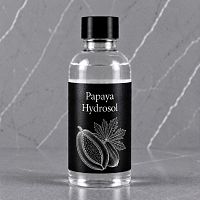
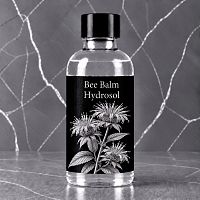
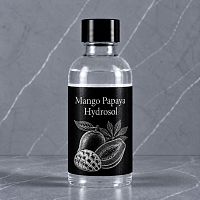
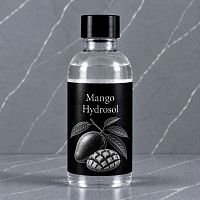
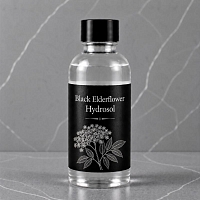

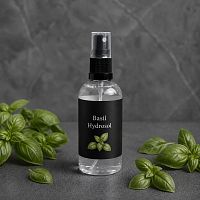
Aromatic bases for creams lotions and toners
Fragrant waters are lightly scented aqueous liquids obtained through steam distillation or blending, used to introduce a natural aroma and mild moisture into a cosmetic formula. This section brings together floral, herbal and fruit-based waters that serve as a fragrant carrier phase for a wide range of finished products.
Formulators use these waters in the water phase of creams and lotions, in toners and setting sprays, in shampoos and conditioners, and in aromatic mists for face and body. Because they are diluted and gentle, they also work well as a base for blending with active complexes and functional components without overwhelming the final scent profile. Many manufacturers pair them with concentrated raw material lines from the broader cosmetic ingredients wholesale catalog to balance texture, fragrance and function in one batch.
Their light consistency makes them suitable for both leave-on and rinse-off formats, and they blend easily with emulsifiers, humectants and preservatives already present in a recipe.
Range of fragrant waters and how they differ
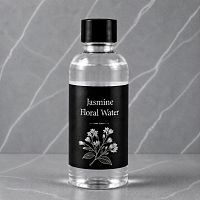
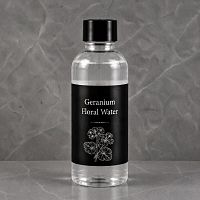
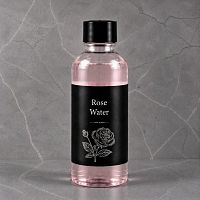
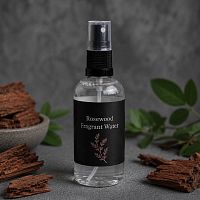
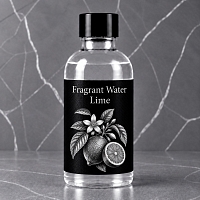
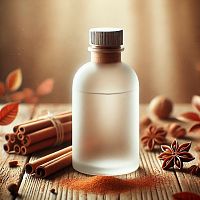
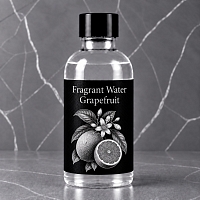
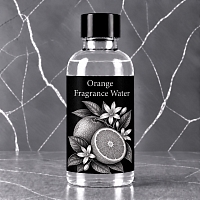
The section covers a range of single-note waters, each carrying its own scent character and typical role in a formula. Lavender Floral Water and Mint Floral Water lean toward calming, herbal profiles often chosen for toners and after-sun mists, while citrus options such as Lime Floral Water, Lemon Floral Water and Grapefruit Floral Water bring a brighter top note suited to fresh body sprays and shampoo bases. Warmer, spiced notes come from Cinnamon Floral Water, and green, grassy character is offered by Palmarosa Floral Water. All of them share the same light, water-based consistency, so the practical difference between them lies almost entirely in scent direction and the finished product it is meant to support.
How to choose a water and what to combine it with
Selection usually starts with the scent profile the finished formula needs and the phase of the recipe where the water will be added. Because these liquids are diluted rather than concentrated, they rarely clash with other functional ingredients and can be layered into a base built from humectants, emulsifiers or film formers already used in a batch. A common approach is to pair a fragrant water with a concentrated active or oil from the wider Bulk Waxes for Cosmetics line, letting the wax contribute texture and stability while the water carries a light, natural aroma through the water phase.
These waters are not limited to a single finished product. The same bottle can end up in a toner, a setting spray, a shampoo base or an aromatic body mist, depending on the concentration used and the other raw materials in the recipe. This flexibility is what makes fragrant waters a practical starting point for formulators who want to introduce scent without relying on stronger, more concentrated fragrance oils.
Origin and storage notes
Fragrant waters in this catalog are sourced from Bulgaria, Ukraine and Poland, giving formulators a choice between different production regions depending on the note and batch size needed. Because these liquids are water-based, they should be stored in a cool, dark place away from direct sunlight and used within the manufacturer's recommended shelf life once opened, to keep the scent and clarity consistent across a production run.
FAQ
What is the difference between fragrant water and essential oil in a formula
Fragrant water is a diluted aqueous liquid used as part of the water phase, while essential oil is a concentrated aromatic substance dosed in small amounts. Fragrant waters add mild scent and moisture together, whereas oils are added separately for stronger aroma or functional effect.
Can fragrant waters replace part of the water phase in a cream or lotion
Yes, most fragrant waters can substitute some or all of the water phase in creams, lotions and toners. They blend easily with emulsifiers, humectants and preservatives, though the final ratio depends on the specific recipe and desired scent intensity.
How should fragrant waters be stored before use
Keep containers tightly closed, away from direct sunlight and heat, at a stable room temperature. Once opened, use within a reasonable timeframe and check for any change in color, clarity or smell before adding a batch to a formula.
Which fragrant waters work well together in one formula
Floral and herbal waters often combine smoothly with fruit-based ones when the goal is a balanced, layered scent. It is best to test a small blend first, since intensity varies between waters and can shift the overall character of the finished product.
Recommendations
When selecting a fragrant water, match its scent strength and character to the rest of your formula rather than choosing by name alone, since intensity can vary between batches. Consider how it will interact with active complexes, preservatives and emulsifiers already in the recipe. For guidance on choosing a specific water or ordering a trial batch, reach out by email and our team will help you find the right fit for your production.



