-
 Absolutes
-
 Active Complexes
-
 Actives & Peptides
-
 Amino Acids & Proteins
-
 Food Flavors
-
 Ayurvedic Ingredients & Herbs
-
 Vitamins & Coenzymes
-
 Chocolate Making Supplies
-
 Thickeners & Gelling Agents
-
 Hydrosols & Floral Waters
-
 Hydrolyzed Proteins
-
 Fragrance Ingredients
-
 Nutraceutical Ingredients
-
 Acids, Salts, Alcohols & Alkalis
-
 Preservatives & Antioxidants
-
 Cosmetic Ingredients
-
 Colorants, Micas & Glitters
-
 Masks, Scrubs & Botanicals
-
 Oils & Butters
-
 Candle Making Supplies
-
 Melt and Pour Soap Bases
-
 Cream, Lotion & Hair Care Bases
-
 Fragrance Oils & Industrial Aromatics
-
 Cleansing Agents & Surfactants
-
 Peeling Actives & Acids
-
 Cosmetic Powders
-
 Solvents & Humectants
-
 Silicones & Conditioning Agents
-
 Bottles, Jars & Vials
-
 Silicone & Plastic Molds, Tools
-
 Botanical Extracts
-
 Cosmetic Emollients
-
 Emulsifiers
-
 Essential Oils
- Absolutes Wholesale 87
- Active Complexes for Cosmetics Wholesale 388
- Amino Acids & Proteins Wholesale 90
- Antioxidants Wholesale 293
- Ayurvedic Powders Wholesale 273
- Biocides Wholesale 16
- Thickeners and Gelling Agents in Bulk 112
- Bulk Hydrosols for Cosmetics 10
- Hydrocolloids in Bulk 5
- Hydrolyzed Proteins Wholesale 106
- Aromatic Fragrant Waters Wholesale 27
- Fragrance Ingredients Bulk 168
- Preservatives & Antioxidants Wholesale 157
- Corneotherapy Wholesale 10
- Cosmetic Clay Wholesale 14
- Neutralizers/pH Correctors Wholesale 17
- Surfactants Wholesale 144
- Cosmetic Peelings Wholesale 77
- Cosmetic Powders Wholesale 403
- Silicones and Conditioning Surfactants for Hair Wholesale 116
- Resins and Resinoids Wholesale 17
- UV and SPF Filters Wholesale 84
- Cosmetic Emollients Wholesale 132
- Emulsifiers Wholesale 328
- Enzymes, Filtrates and Lysates in Bulk 35


Corneotherapy Wholesale

 Add to cart


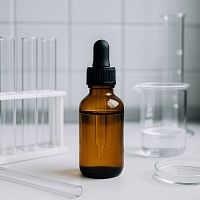

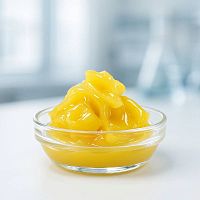


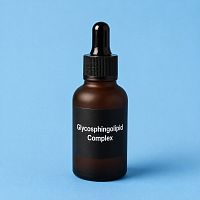
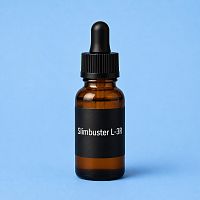
Raw materials that support the skin barrier in formulations
This section brings together raw materials used in corneotherapy, an approach to skincare formulation centered on protecting and rebuilding the skin barrier rather than treating individual symptoms. Here you can source barrier lipids, ceramide complexes, cholesterol, fatty acids, and related actives supplied as concentrated ingredients for further formulation work.
These components are building blocks, not finished products, so the same ceramide complex might end up in a night cream, a barrier serum, a soothing lotion, or a post-procedure recovery balm depending on how a formulator combines it with emulsifiers and other actives. Many corneotherapy ingredients are paired with stabilizers from preservatives and antioxidants to keep lipid-rich formulas stable over time, or blended with light hydrosols from the aromatic fragrant waters range to adjust texture and skin feel without overloading the formula with oils.
Types of barrier ingredients and how they differ
Within this range you will find several distinct groups rather than one uniform ingredient type. Ceramide complexes typically combine several ceramide subtypes with cholesterol and fatty acids in ratios that mimic the natural intercellular lipid matrix of the stratum corneum. Plant-derived fatty acids and phytosterols work differently, softening formulas and improving spreadability while still contributing to lipid replenishment. Some suppliers also offer pre-blended barrier complexes designed to be dosed at low percentages, which suits formulators who want consistent results without building a lipid blend from separate raw materials.
Texture and function vary just as much as composition. A dry, waxy cholesterol concentrate behaves nothing like a fluid fatty acid blend, and each is dosed and melted differently during formulation. Because of this, it helps to check the physical form and recommended usage rate of each item before building a batch, rather than assuming any two barrier ingredients are interchangeable.
How to choose and what to pair it with
Selection usually starts with the finished product type. A rich night cream or recovery balm can carry a higher percentage of ceramide and cholesterol blends, while a lighter daily lotion or a post-procedure gel needs a smaller dose paired with humectants such as Vegetable Glycerin to keep the texture from feeling heavy. For formulas that need to emulsify smoothly around these lipids, many chemists reach for blends from Emulsifiers Wholesale, such as Amisol Trio, which helps stabilize the oil and water phases around barrier-supporting lipids.
Barrier ingredients are rarely used alone in a formula. They are frequently combined with mineral-rich powders from Cosmetic Clay Wholesale for balancing masks, or layered alongside targeted actives sourced from Active Complexes for Cosmetics Wholesale when a formula needs to address more than one skin concern at once. Daytime formulas built around barrier repair often also include protection from UV and SPF Filters Wholesale, since a compromised barrier is more sensitive to environmental exposure.
Origin, storage, and formulation notes
Ingredients in this category are sourced from suppliers in France and the United States, reflecting the specialized manufacturing that ceramide and lipid-complex production requires. Because these materials are lipid-based, they should be stored in a cool, dry place away from direct heat and sunlight to prevent oxidation and preserve their stability before use.
Formulators working with cleansing or foaming bases sometimes look at gentle surfactants from Surfactants Wholesale to build barrier-friendly washes, while masks and powdered formulas can draw on Powders and Flours Wholesale for texture and absorbency alongside the lipid actives. Checking compatibility between a chosen ceramide complex and the rest of a formula early on tends to save reformulation time later, especially in emulsions meant to stay stable over a long shelf life.
FAQ
What is the difference between ceramide complexes and cholesterol in barrier repair formulas?
Ceramide complexes rebuild the lipid layers between skin cells, while cholesterol supports the same lamellar structure alongside fatty acids. Formulators usually combine all three in a ratio close to the skin natural composition, since ceramides alone do not replicate the full barrier function.
Can barrier lipids be used in lightweight formulas or only in heavy creams?
Barrier lipids work in both. Blended with light hydrosols or low-viscosity emulsifiers, ceramide complexes and fatty acids fit into serums and lotions, not only rich night creams. The finished texture depends on the rest of the formulation, not the lipid itself.
How should ceramide and lipid ingredients be stored before use?
Keep these raw materials sealed, away from direct light and heat, and follow the storage temperature noted on each product listing. Lipid-based actives can be sensitive to oxidation once opened, so smaller working quantities are often more practical than large containers.
What can barrier lipid ingredients be combined with in a formulation?
They are commonly paired with stabilizers from the preservatives and antioxidants range to protect lipid-rich formulas over time, and with soothing actives or humectants depending on the target product, from recovery balms to daily moisturizers.
Recommendations
When choosing a ceramide or barrier lipid ingredient, start with the intended texture of your finished product, since some forms suit rich balms while others blend more easily into fluid serums. Check the recommended usage rate and compatibility with your existing emulsifier before committing to a larger batch. For questions on a specific lot or formulation pairing, reach out by email and our team will help you match the right raw material to your project.



