Why Industrial Manufacturers Rely on Pure Lanolin for Skin Care and Protective Coatings
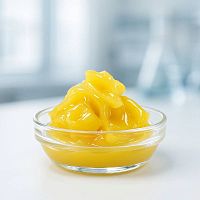
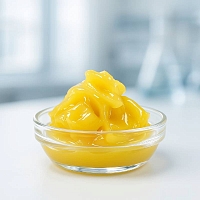
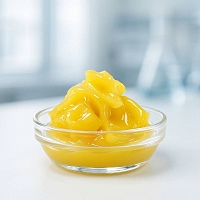
Anhydrous lanolin is a refined wool wax extracted from sheep fleece and processed to remove nearly all moisture and impurities, resulting in a dense, highly stable material with strong water-repellent properties. It belongs to the emollients for cosmetics category, since its main function is to form a protective film on skin or other surfaces that locks in moisture and shields against external stress. Structurally similar to human skin lipids, lanolin blends easily into skin and is widely used in nourishing creams, lip balms, hand and foot repair ointments, diaper rash products, and other barrier-focused formulations.
While cosmetics remain a major consumer, the largest global demand for lanolin actually comes from pharmaceutical, veterinary, and industrial sectors. Pharmaceutical companies rely on it as a base for topical ointments and protective pastes, while veterinary use includes udder care and treatment of chapped or irritated animal skin. In the leather industry, anhydrous lanolin is applied to waterproof boots, saddles, and leather goods, keeping the material flexible and resistant to cracking. Metalworking, marine, and cable manufacturing sectors use lanolin-based coatings as corrosion inhibitors, since the wax forms a durable barrier against moisture and oxidation on tools, fittings, and exposed metal parts.
In formulation, lanolin is added to the oil phase during heating to 60-70°C, where it melts uniformly alongside other lipid ingredients. Typical usage levels in cosmetic emulsions range from 2 to 15 percent, while dense protective balms and industrial ointments may contain 30 to 40 percent lanolin for maximum barrier strength. Because of its thick, tacky texture, it is commonly blended with lighter emollients to improve spreadability and reduce heaviness. A smooth combination can be achieved with Tegosoft P, which lightens the finish, or with Isostearyl Isostearate for a silkier feel in dense formulas. To cut greasiness and speed absorption, Caprylic Capric Triglycerides work particularly well as a diluting carrier oil.
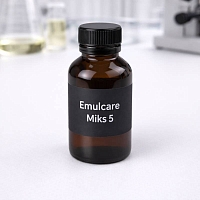
The 1 kg format is designed for continuous production lines and bulk batch manufacturing of protective ointments, hand creams, leather care products, and veterinary formulations, giving manufacturers a reliable, cost-efficient supply for scaled output. Store the material in a tightly sealed container, away from direct sunlight and heat sources, in a cool dry place to preserve its texture and protective performance throughout its shelf life.
Barrier Repair Ointment for Cracked Skin
Anhydrous lanolin 80 g
Caprylic Capric Triglycerides 30 g
Isostearyl Isostearate 15 g
Tegosoft P 20 g
Beeswax 25 g
Calendula extract 5 g
Melt the lanolin and beeswax together in a heatproof container over a water bath at 65-70°C until fully liquid, then stir in the triglycerides, isostearyl isostearate, and Tegosoft P until the blend is smooth and glossy. Remove from heat, let the mixture cool to around 40°C, blend in the calendula extract, and pour into jars, allowing the ointment to set undisturbed at room temperature until fully firm.